
Home
Best Prediction Market Platforms 2026
Are Prediction Markets Legal in 2026? Prediction Market Laws & Regulations Explained
Contains commercial content
Are Prediction Markets Legal in 2026? Prediction Market Laws & Regulations Explained
Last Updated on 05.11.2026
Before signing up on a platform to trade event contracts, it’s common to ask: Are prediction markets legal in the United States? We can’t give a simple yes or no answer to the question, since it can differ from state to state.
The fact is that prediction market sites are allowed to operate in the US under regulations by the Commodity Futures Trading Commission (CFTC). They’re classified as peer-to-peer (P2P) exchanges for trading binary event contracts in Yes/No formats. If an event occurs, the contracts settle at $1 each. Otherwise, they resolve to $0, meaning a loss.
Best Prediction Market Sites Worth Your Time


We recommend

3.8/5
- 10+ event categories
- Live trading
- Live data graph
Kalshi Promo Code
Trade $25 Get $55
T&Cs and 18+ apply
Copy
Deposit Methods








Withdrawal
0 – 3 Days
Apps
License

Show More

Exclusive
3.8/5
- Contracts for all major future events
- Can close positions early
- Many prediction contracts have high liquidity
Open Crypto.com
Deposit Methods



Withdrawal
0 – 5 Days
Apps
License

Show More
Table of Contents
- 3 quick facts about the availability of prediction markets
- Why prediction markets are accessible in the US
- How to identify legitimate US prediction market sites
- Pros and cons of prediction market availability in the US
- Conclusion – US prediction markets are regulated by the CFTC
- Prediction markets legality FAQs
3 quick facts about the availability of prediction markets
- CFTC oversight allows prediction market platforms to operate in the US.
- The sites operate with P2P event contracts, so their activities are classified as trading.
- Event contracts are usually in binary Yes or No format, reflecting opposite outcomes of an event.
Why prediction markets are accessible in the US
First of all, prediction market sites are platforms where you trade contracts tied to real-world outcomes. The common event trading categories we often see are sports, politics, economics, culture, crypto, and climate.
If you want to ask: what is event trading? It simply involves buying and selling Yes/No contracts – Yes means an outcome will occur, and No implies the opposite. Here’s an example from politics:
| Event | Will the Democratic Party win the US Senate? |
| Yes | $0.68 |
| No | $0.32 |
Now, prediction markets operate under CFTC financial-market regulations in the United States. That’s why they’re accessible in the country, but it can vary from state to state. Generally, the Commission has authority over event contracts offered according to the Commodity Exchange Act.
How contract prices are determined
We just explained that prediction trading involves event contracts. The markets are P2P, so trader supply and demand activity is what determines the contract price. When a contract records more purchases than sales, its price will typically increase, and vice versa.
Let’s say a Yes contract costs $0.60 and No costs $0.40. If more traders begin buying Yes, its price may increase to $0.80, while the cost of No drops to $0.20. Conversely, if many traders sell instead, the Yes price can decrease to $0.30, with No increasing to $0.70.
The bottom line is that prediction market sites don’t assign the rates directly. That’s one of the main differences mentioned in our prediction markets vs sportsbooks comparisons.
How to identify legitimate US prediction market sites
Now that you know how event trading works in the US, you may wonder what prediction market sites to use. Well, we’ve rated the best prediction market brands around. You can see them on the banners on this page. Here are the factors to consider to be sure a site is legit:
🛡️ CFTC Regulation
The criterion here is simple: platforms without CFTC-regulated contracts aren’t authorized to operate in the US. Therefore, you shouldn’t sign up with them. We usually confirm whether a site is under the Commission’s oversight by checking the details in its footer section.
🧑🤝🧑 Know Your Customer (KYC) Verification
CFTC rules require prediction market sites to verify the identity of traders. The process is necessary to confirm you’re eligible to trade and, more importantly, prevent fraud and money laundering.
Many platforms we review require KYC during registration. So, without completing it, you can’t deposit or trade. The good news is that the procedure is often automated, taking only a few minutes. You’ll only wait more than a day if manual review is necessary.
📊 Transparent Order Book
The order book is where you see outstanding buy and sell requests for a contract. That includes the prices and quantities available for trading. If you know how to read market prices, you can also tell the spread and liquidity from the details. We consider a transparent order book an indicator of a legit prediction market site because it shows the contracts are truly P2P.
📞 Reliable Customer Service
We’ve seen many traders asking questions about site availability, contract settlement, KYC, and payouts. The answers will be specific to the platform you’re trading on. So, ideally, a legit prediction market site should have dependable customer service to assist you when you need it.
It’s best when the agents are active 24/7 via live chat and email. A comprehensive help center with articles explaining how the prediction market platform operates is also a good sign.
Pros and cons of prediction market availability in the US
From what we’ve explained, these are the pros and cons of accessing prediction markets:
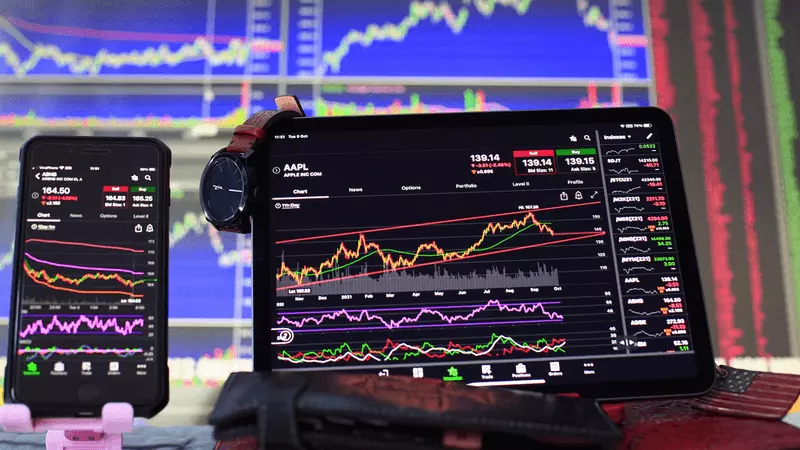
Prosd and Cons
- Regulated by the CFTC
- Offer P2P event contracts
- Quick KYC verification
- Some states don’t allow the sites
Conclusion – US prediction markets are regulated by the CFTC
Prediction market brands available in the US offer event contracts in sports, economics, politics, crypto, culture, climate, and other categories. To trade, you simply buy Yes or No contracts according to what you think will happen in an event. Contract prices aren’t directly fixed by the platforms; they depend on supply and demand instead.
As we explained, trusted US prediction market sites are regulated by the CFTC. Also, they have KYC verification, reliable customer service, and most keep their order books transparent.
If you want to join a legit prediction market platform, check the banners on this page for our recommendations. Choose one you prefer and click to visit the website. Then, you can register an account if your location is allowed.
Discover our must-see prediction market platforms
Prediction markets legality FAQs
✅ What are the best prediction markets available in the US?
Some of the best prediction market sites in the US are Polymarket, Kalshi, Crypto.com, and Robinhood.
👨⚖️ Who regulates prediction markets in the US?
Prediction markets are regulated by the Commodity Futures Trading Commission (CFTC) in the US. The commission oversees the event contracts offered by the platforms.
📉 How do prediction markets operate?
Prediction markets operate as trading platforms offering P2P event contracts. Demand and supply by traders influence the contract price; each contract pays $1 if your prediction is correct and $0 if it’s not.
🏈 What events are available on US prediction market platforms?
Sports, politics, culture, climate, crypto, and economics events are the most common on US prediction market platforms. That said, the exact categories you see will depend on the site.
More Articles












Best Prediction Market Sites
More Prediction Market Guides
Our Team
Editor
Close
Don’t Miss Out on Our Best Offers

T&Cs and 18+ apply

T&Cs and 18+ apply