EA FC 27 Career Mode guide: Transfers, Dynamic OVR, scouting & more
Dynamic OVR changes everythingON THIS PAGE:
- What's new?
- Transfer Market
- Dynamic OVR
- Morale and Match Fitness
- Injuries and reinjury risk
- Growth Profiles
- How potential works in FC 27
- Scouting
- Squad Ranks
- Manager Live Creator Challenges
- Player Career Rivalries
- Authentic Gameplay 2.0
- Best teams for EA FC 27 Career Mode
- Is EA FC 27 Career Mode better than FC 26?
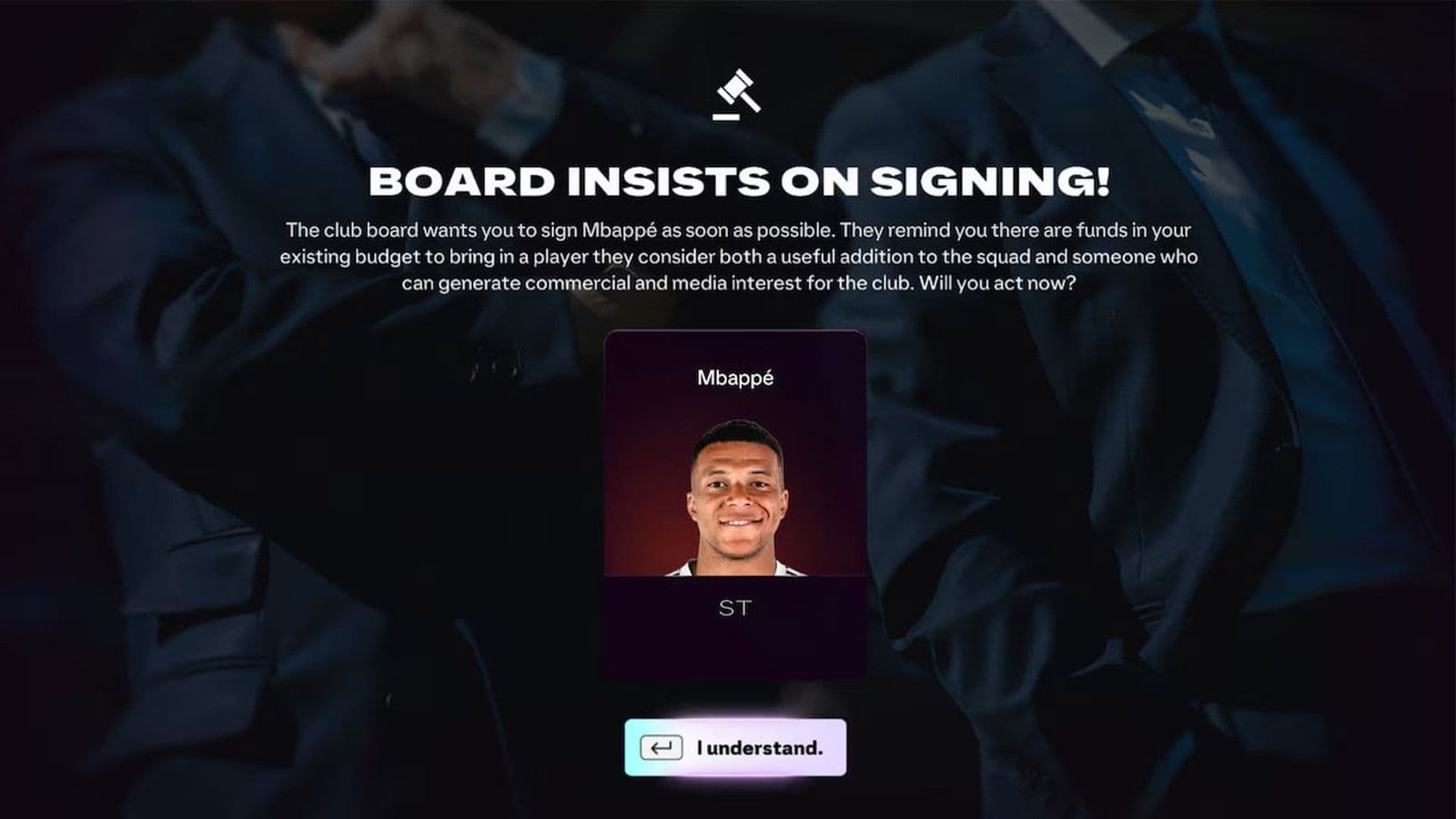
EA FC 27 Career Mode makes some of the biggest changes to the mode in years. Transfers have been rebuilt, player ratings can rise and fall during a season, scouting provides different information, and even AI clubs now build their squads with longer-term plans.
The biggest change is Dynamic OVR. A player's rating is no longer completely static, with form, morale, fitness, injuries, and playing time influencing how good they are at any given point.
Combine that with a rebuilt Transfer Market, Growth Profiles, improved scouting, Creator Challenges, and Authentic Gameplay 2.0, and managing your squad should require considerably more thought this year.
Here's everything you need to know about Career Mode in EA Sports FC 27.
What's new in EA FC 27 Career Mode?
The biggest FC 27 Career Mode changes include:
These changes apply across Manager Career and Player Career, although the biggest overhaul is clearly aimed at managing a club.
EA FC 27 Transfer Market explained
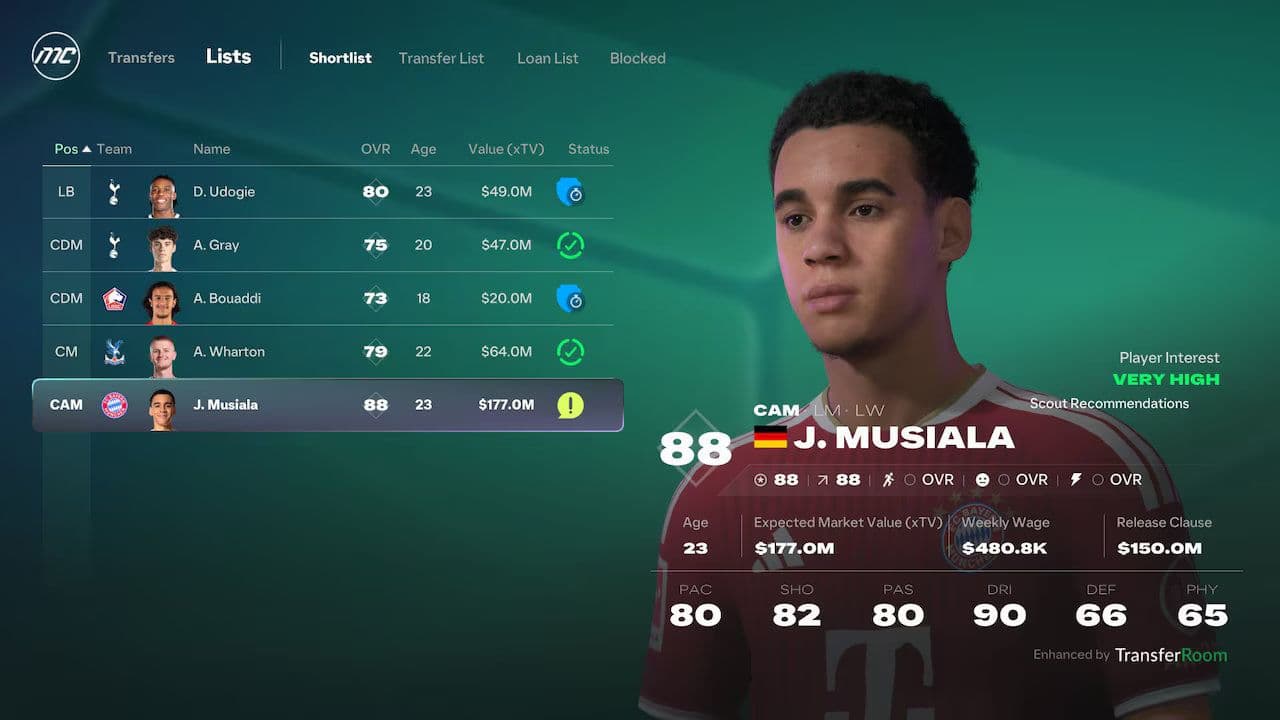
Transfers are a major focus in FC 27, with AI clubs considering squad needs, finances, player development, performance, and alternative targets.
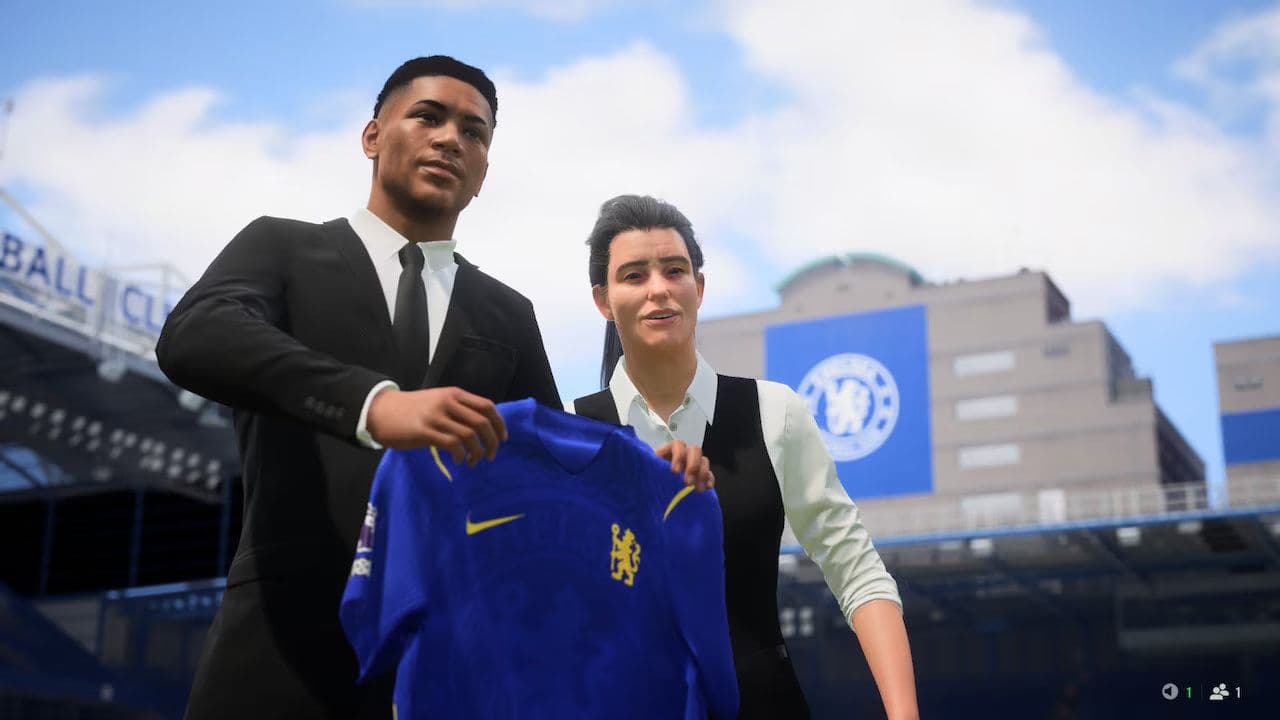
Clubs can pursue multiple players at once, while transfer values now change more dynamically based on form and performances.
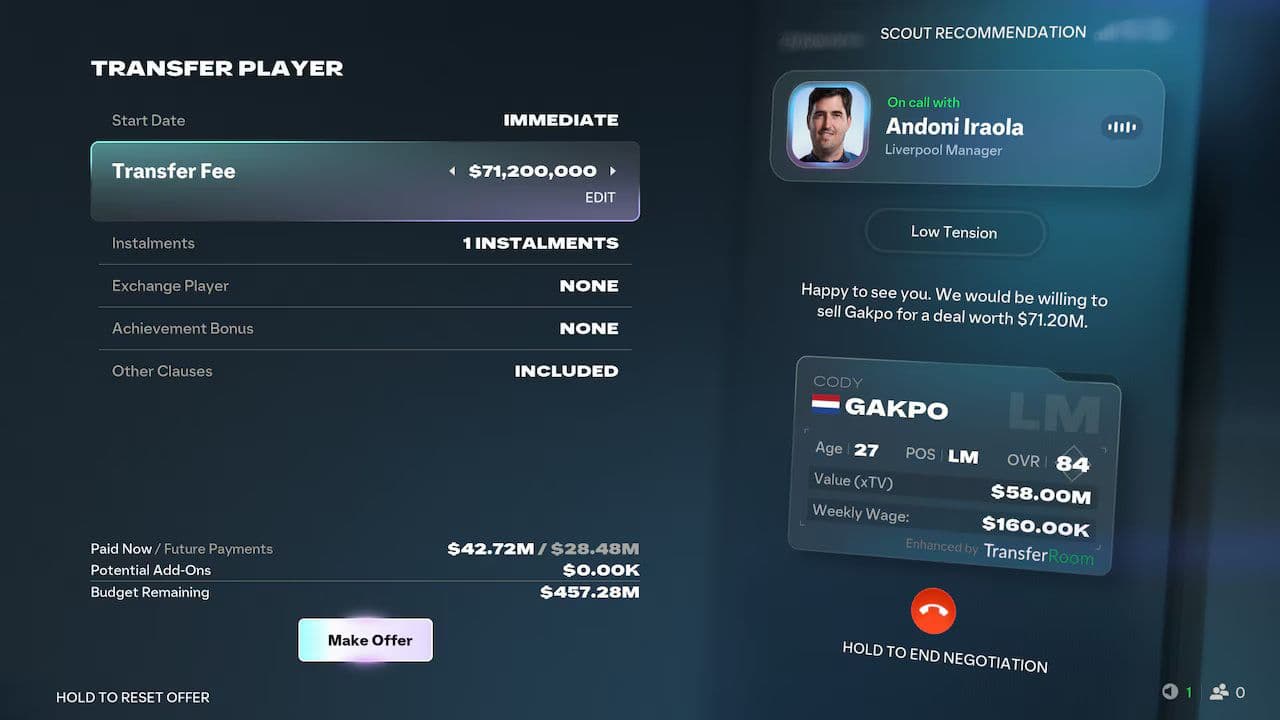
How transfers and negotiations work in FC 27
Transfer negotiations now progress through distinct stages rather than jumping immediately into the familiar negotiation scene.
EA has also replaced the old 3D negotiation sequence with a faster interactive 2D interface.
More importantly, you have additional ways to structure deals. New options include:
- Performance clauses
- Buy-back clauses
- Future transfer rights
- More flexible financial structures
This gives you more room to negotiate beyond simply changing the transfer fee and sell-on percentage.
Deal timing has also been adjusted, while a redesigned Transfer Hub and player action list make it easier to manage targets and ongoing negotiations.
Dynamic OVR in EA FC 27 explained
Dynamic OVR is arguably the biggest Career Mode change in FC 27.
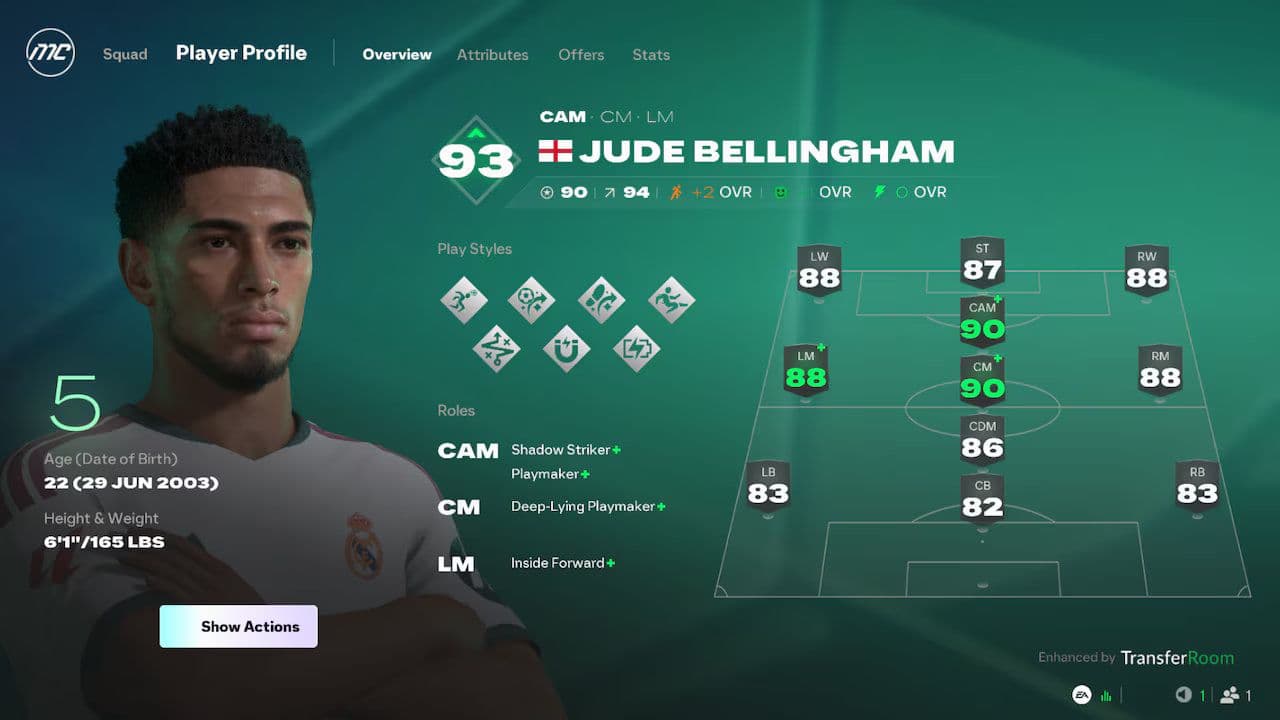
Instead of a player's Overall Rating representing a mostly fixed assessment of their ability, OVR can now move throughout the season.
Three core factors determine Dynamic OVR:
- Form
- Morale
- Match Fitness
A player who's consistently performing well, happy with their role, and physically prepared can receive an OVR increase. Poor performances, low morale, injuries, or fitness problems can push the rating in the opposite direction.
Dynamic OVR applies to your players and AI-controlled clubs, so the entire Career Mode database can change as seasons develop.
How form affects Dynamic OVR
Form boosts depend on current performances, long-term development, and preferred positions. A young wonderkid enjoying a breakout season may improve more than an established veteran in similar form, with boosts focused on relevant attributes.
Morale and Match Fitness
Morale now directly affects Dynamic OVR.
Playing time, squad roles, expectations, performances, and interactions can influence how happy players are. EA has also increased morale volatility, meaning players shouldn't simply remain happy throughout an entire season.
Match Fitness is completely new.
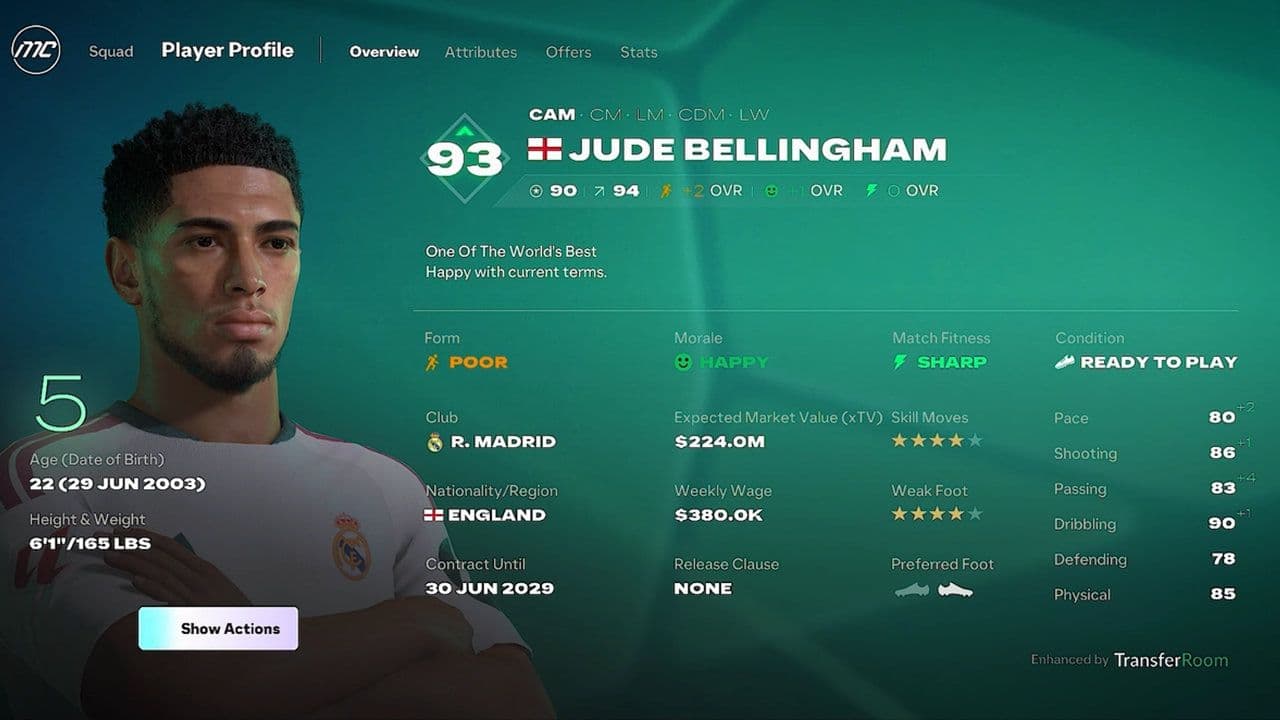
It combines Energy Level and Injury Status to represent how physically prepared someone is to start a match, with states ranging from Peak to Unfit.
Unlike form and morale, Match Fitness doesn't provide positive boosts. Instead, players who aren't properly prepared receive performance penalties.
Squad rotation and injury management should therefore matter more throughout a long season.
Injuries and reinjury risk
Injuries have been reworked, with Authentic gameplay settings increasing injury frequency. Players returning from injuries can also face reinjury risks, making squad depth more important during busy schedules.
Growth Profiles change player development
Not every player develops at the same speed anymore.
FC 27 introduces six Growth Profiles that determine how players develop, reach their peak, and eventually decline.
Some players can break through early and peak young. Others may continue developing into their late twenties, while established stars can maintain their level for different lengths of time before declining.
Different attribute groups can also develop differently depending on the player's profile.
The goal is to make long-term player development less predictable and stop every career from following essentially the same progression curve.
How potential works in FC 27
Potential is less transparent this year.
Instead of always knowing exactly how good a player could become, coaches and scouts assess their potential for you.
Better staff provide more accurate assessments, while weaker coaches can underestimate a player's true ceiling.
Coaches also no longer directly increase player attributes. Their role is more focused on evaluating and projecting development.
FC 27 reduces the coaching structure to 12 Coaches, split between:
- Goalkeeping
- Defence
- Midfield
- Attack
The Head Coach of each department is responsible for assessing players within that group.
EA FC 27 scouting explained
Scouting has also changed significantly.
Player attributes are now immediately visible, removing the old system where you had to wait for individual attributes to gradually appear.
Instead, scouts investigate four additional areas:
Form and morale also appear when evaluating transfer targets.
This should make scouting less about waiting for basic ratings to appear and more about determining whether a player actually fits your project.
Players can have up to seven positions
FC 27 expands positional flexibility, allowing players to have up to seven preferred positions: one primary and six secondary.
Playing in a preferred secondary position no longer automatically causes a penalty, while Dynamic OVR boosts are based on the player's rating in that role.
Versatile players should be especially valuable for smaller squads.
What are Squad Ranks?
Squad Ranks estimate a player's expected impact within your squad. Coaches assess current players, while scouts evaluate potential signings, with better staff providing more accurate results.
Manager Live Creator Challenges
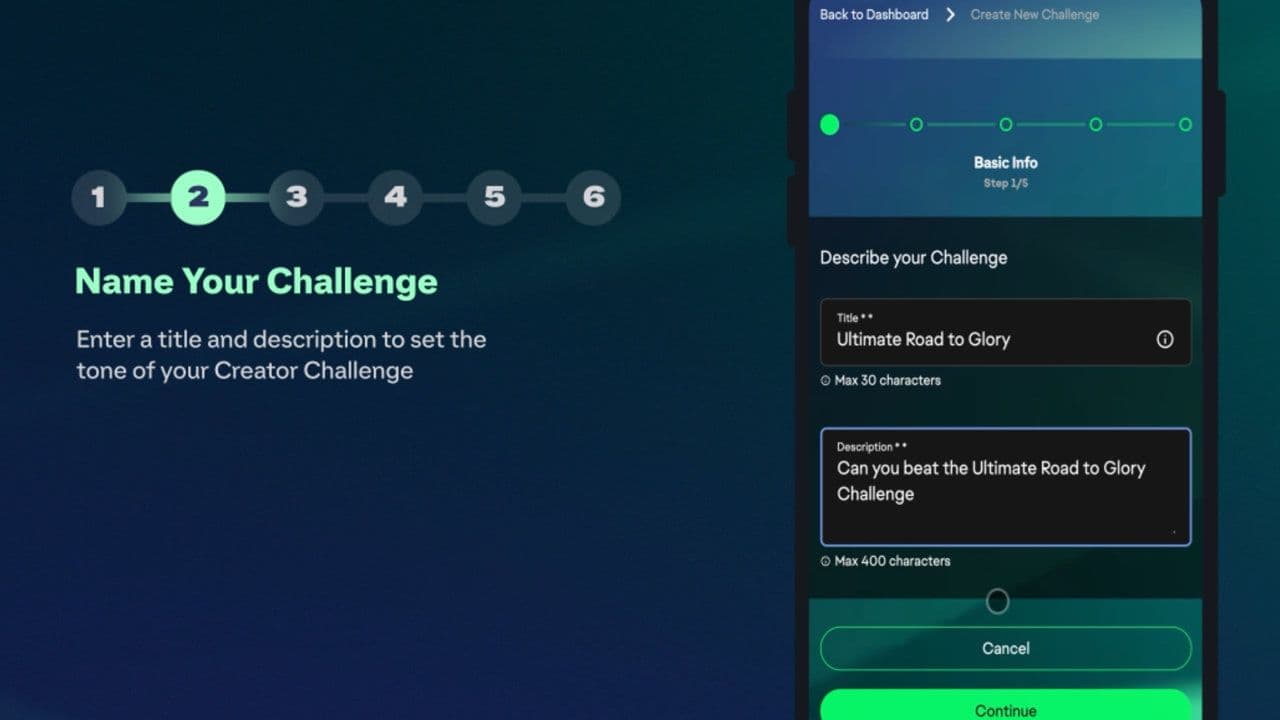
Creator Challenges let you create, customize, and share Manager Live scenarios with other FC 27 players. Challenges can include transfer restrictions, difficult objectives, unusual squads, or custom storylines.
Player Career Rivalries
FC 27 adds Rivalries, creating personal battles between your player and specific opponents. Origin Stories also continue to shape custom Player Career journeys.
Authentic Gameplay 2.0
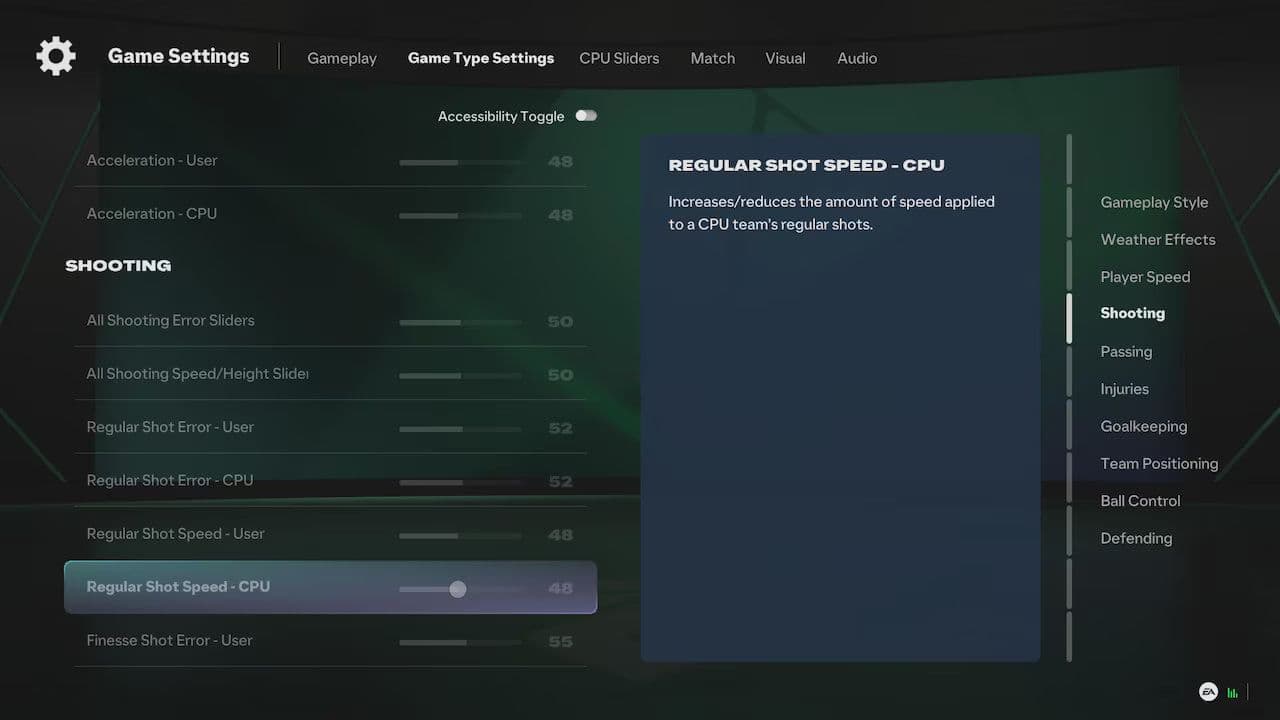
Authentic Gameplay 2.0 improves offline matches with smarter CPU teams, more realistic physical battles, fatigue, weather effects, movement, and fouls.
The update also adds 25 Gameplay Sliders and 10 CPU Sliders, giving you more control over Career Mode matches.
Best teams for EA FC 27 Career Mode
Choosing the right club can completely change your save.
For a fallen giant, clubs such as Schalke, Valencia, or Deportivo La Coruña can give you a long-term rebuilding project. Ajax is an excellent choice if developing young players is your priority, while Paris FC gives you the challenge of eventually competing with PSG.
Galatasaray offers another interesting save if you want to dominate Türkiye before building a squad capable of consistently challenging in the Champions League.
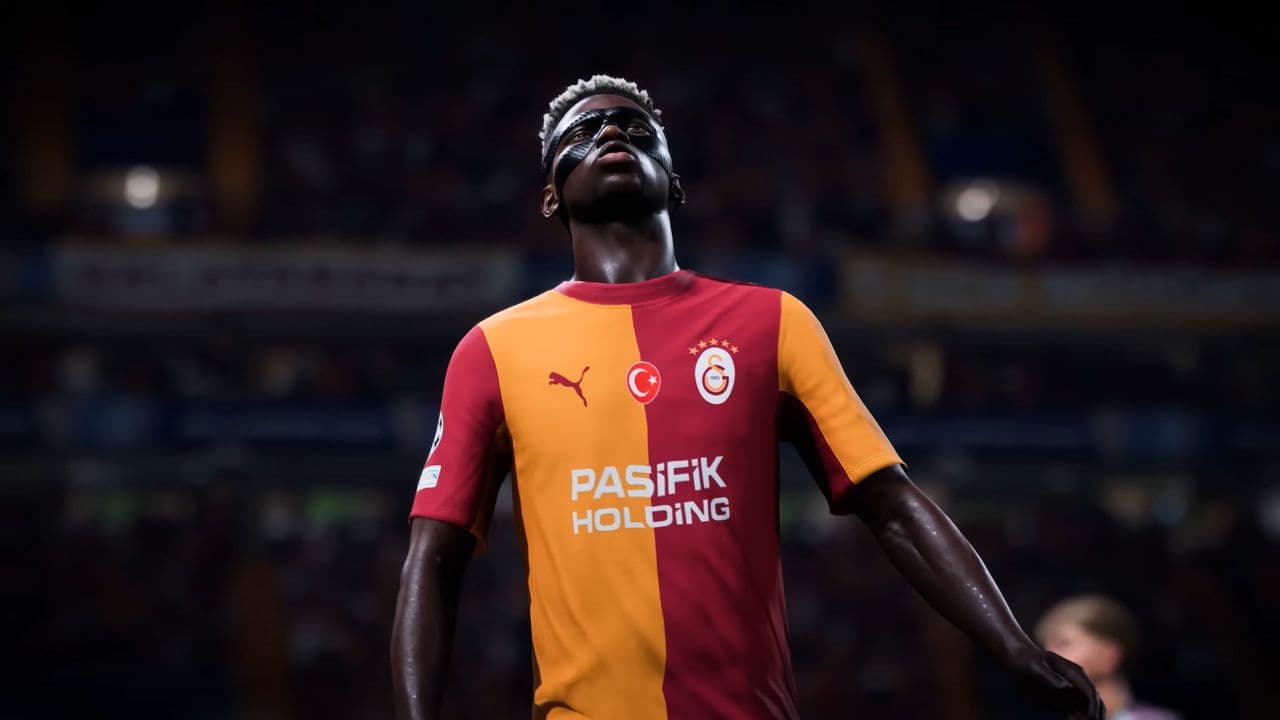
At the opposite end, managing Real Madrid gives you elite players, huge transfer expectations, and pressure to win major trophies immediately.
Check the EA FC 27 best teams to manage guide for more Career Mode save ideas.
Is EA FC 27 Career Mode better than FC 26?
On features alone, FC 27 represents a substantial Career Mode upgrade.
Dynamic OVR connects performances directly to player ratings and development, while Growth Profiles make long-term progression less predictable. The rebuilt Transfer Market gives AI clubs more realistic recruitment logic, and scouting now focuses on information that can actually influence your transfer decisions.
Authentic Gameplay 2.0, Creator Challenges, Squad Ranks, reinjury risk, improved potential assessments, and Player Career Rivalries add further depth.
The real test will be how these systems behave across multiple seasons once FC 27 launches, but Career Mode is clearly receiving much more than a simple database refresh this year.
EA Sports FC 27 launches September 25, 2026, with Early Access beginning September 18. If Career Mode is your main reason for playing, the rebuilt transfers and Dynamic OVR systems are the changes to watch first.