Bandit vs Five-SeveN: How VALORANT’s new pistol stacks up against a CS2 classic
When Riot Games introduced the Bandit pistol to VALORANT, it immediately evoked comparisons to one of Counter-Strike 2's most iconic sidearms – the Five-SeveN. On the surface, both weapons share striking visual similarities: sleek profiles, long barrels, and a certain tactical elegance that sets them apart from traditional handguns.
While Ubisoft’s Splinter Cell franchise popularized the silenced variant of the long-barrelled pistol in the gaming world, the resemblance between these two iterations feels almost too coincidental. Yet beneath their superficial similarities lies mechanical differences that define how each weapon functions within their respective competitive ecosystems.
Damage Output
Damage output is the first metric that perfectly showcases the difference in philosophies between the Bandit and the Five-SeveN. Damage drop-off is a mechanic that is now common in almost all FPS games, and the difference between these two weapons are stark.
The Bandit's tiered damage drop remains relatively gentle: headshots deliver 152 (0-10m), 128 (10-30m), and 112 (30-50m), while body shots fall from 39 to 34. This linear scaling maintains consistent lethality across ranges, enabling reliable one-taps up close and two-tap potential at distance. VALORANT's structured dropoff rewards players who control engagement distance, aligning with the game's emphasis on site holds and aggressive post-plants.
| Bandit | 0-10m | 10-30m | 30-50m |
|---|---|---|---|
| Head | 152 | 128 | 112 |
| Body | 39 | 39 | 34 |
| Legs | 33 | 33 | 28 |
Applying CS2's damage formula (Damage x [0.81 ^ (Distance(u)/500u)] with 128u = 2.44m) reveals the Five-SeveN's true exponential decay. Starting from 31 base chest damage, it calculates to 24.85 at 10m, 15.97 at 30m, and falls even further to 10.26 at 50m. The table below gives a better look at the damage drop-off values.
| Five-SeveN | 0-10m | 10-30m | 30-50m |
|---|---|---|---|
| Head | 126 | 101.01 | 64.91 |
| Chest & Arms | 31 | 24.85 | 15.97 |
| Abdomen | 39 | 31.26 | 20.08 |
| Legs | 23 | 18.44 | 11.85 |
This steep curve explains its preference for close-range eco rushes. Headshot multipliers amplify the damage somewhat, but it still excels as a close range weapon. The comparison exposes one core truth: neither weapon truly dominates at medium to long ranges, with their bigger brothers – the Sheriff and Deagle – being a better fit for those scenarios.
Note: The Five-SeveN’s damage numbers are for unarmored damage only. CS2's armor rating system further modifies these numbers by a degree of about 10%, but these calculations fall outside this VALORANT-focused comparison.
Magazine Capacity and Ammunition Economy
Another statistic that more clearly illustrates the different philosophies between these games than magazine capacity. The Bandit ships with a mere 8 bullets in the chamber and 24 in reserve, totaling 32 rounds. The Five-SeveN, by contrast, carries 20 in the magazine with 100 in reserve, providing 120 rounds total.
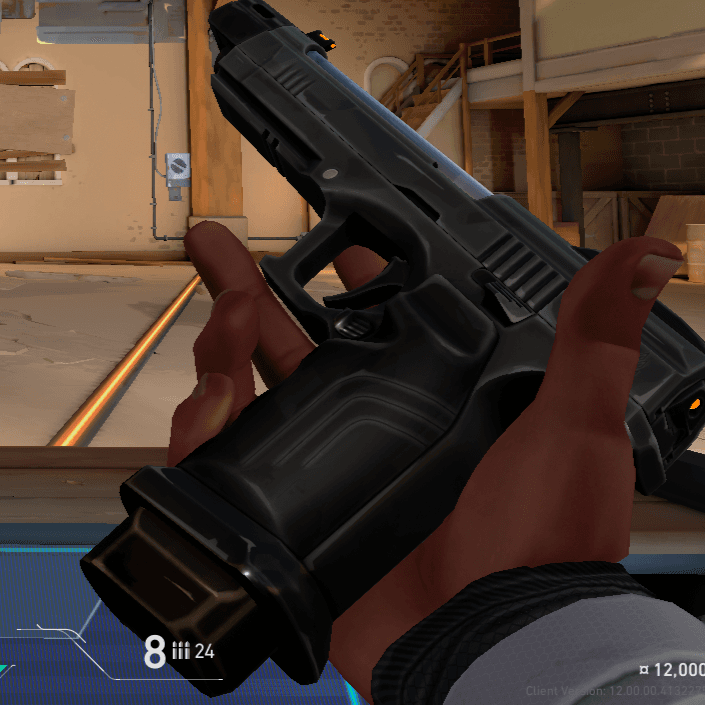
Bandit gets 8-bullet magazines with 24 in reserve
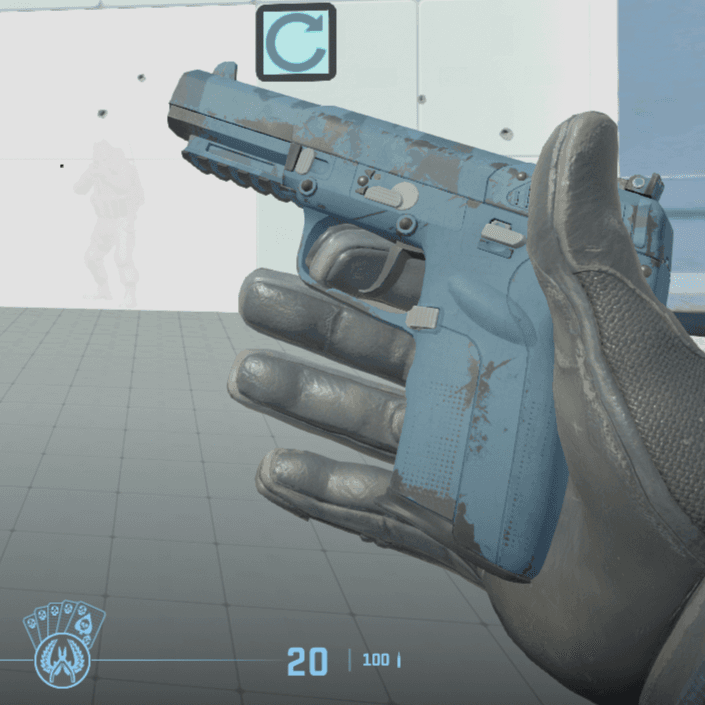
Five-SeveN gets 20-bullet magazine with 100 in reserve
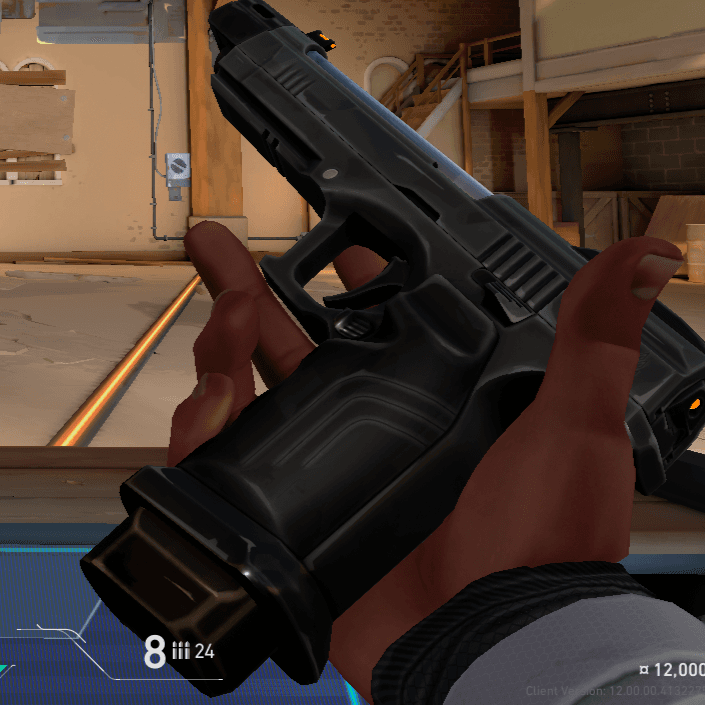
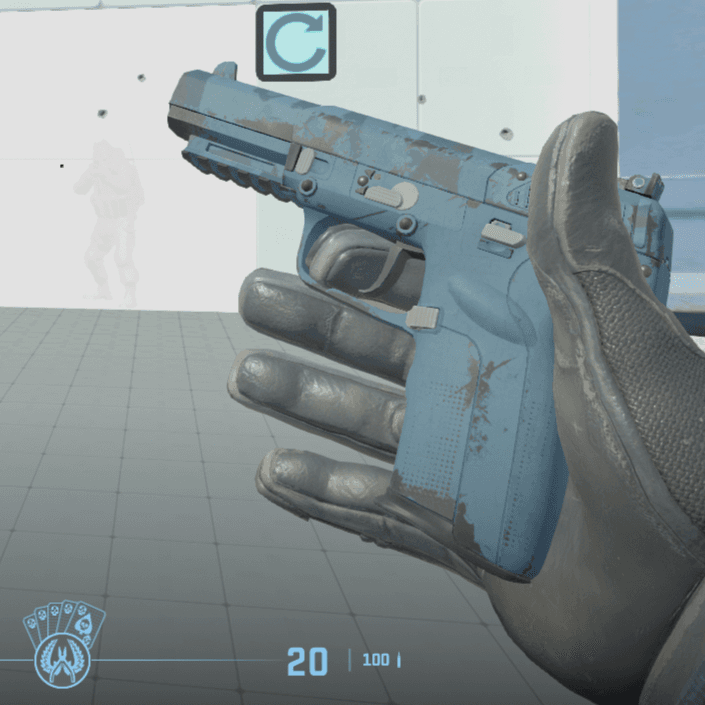
This discrepancy reflects how each game views sidearm economics. VALORANT's buy system and economy makes players more mindful for their weapon choice, and the limited ammunition on the Bandit raises the stake with every missed shot. Wasting bullets could mean an untimely reload, and the player's head gets taken off. Counter-Strike's economy, while punishing in its own right, maintains ammunition abundance as a fundamental principle.
Rate of Fire
The Bandit fires at approximately 300 rounds per minute (5.1 rounds per second), while the Five-SeveN operates at a faster 400 RPM. This 100 RPM difference directly impacts their playstyles, particularly distinguishing precision clicking from sustained click-spraying.
For the Bandit, the slower rate complements its high-damage, precision-focused design. Each shot carries weight, encouraging deliberate headshot attempts rather than panicked spam. The 0.196-second interval between shots gives players more time to realign their crosshair after recoil, rewarding controlled tapping that maximizes the Bandit's 152 close-range headshot potential.
The Five-SeveN's higher fire rate enables rapid-fire duels during eco rounds. Players can execute quick double-taps or short bursts to overwhelm opponents, where the first two low-recoil shots land reliably. This volume of fire creates suppressive pressure, forcing enemies to peek cautiously or reposition. In half-buy scenarios, the faster RPM combined with generous magazine capacity turns the Five-SeveN into a sustained threat that can win multiple engagements without reloading.
Wall Penetration
Here emerges one of the most striking asymmetries: wall penetration. The Bandit deals medium penetration with approximately 80% damage reduction through walls across all ranges. The Five-SeveN, conversely, maintains 100% penetration power, dealing full damage through walls without any attenuation.
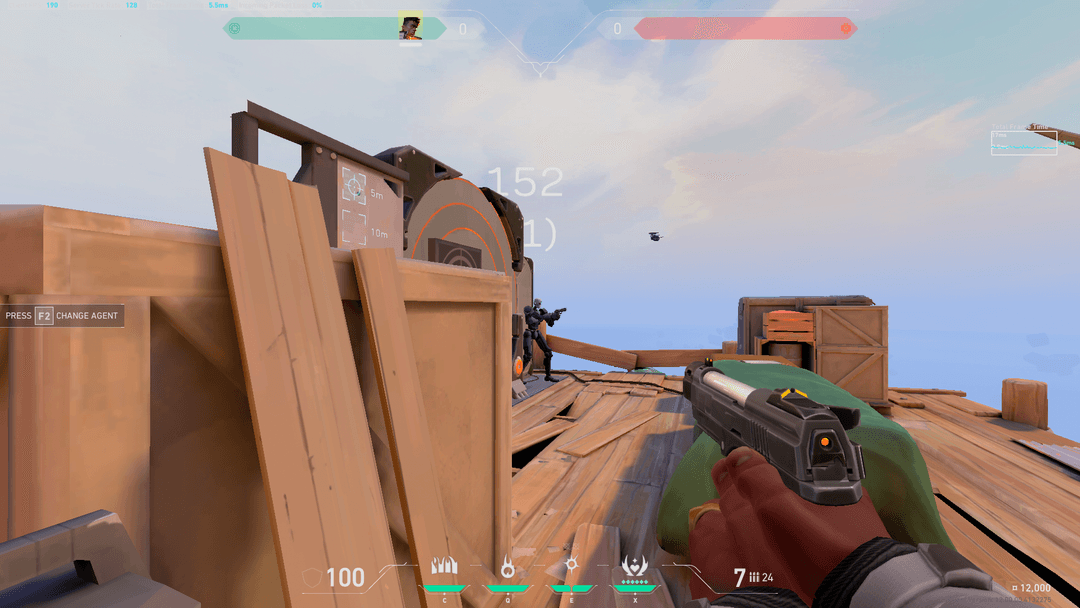
Bandit base headshot damage
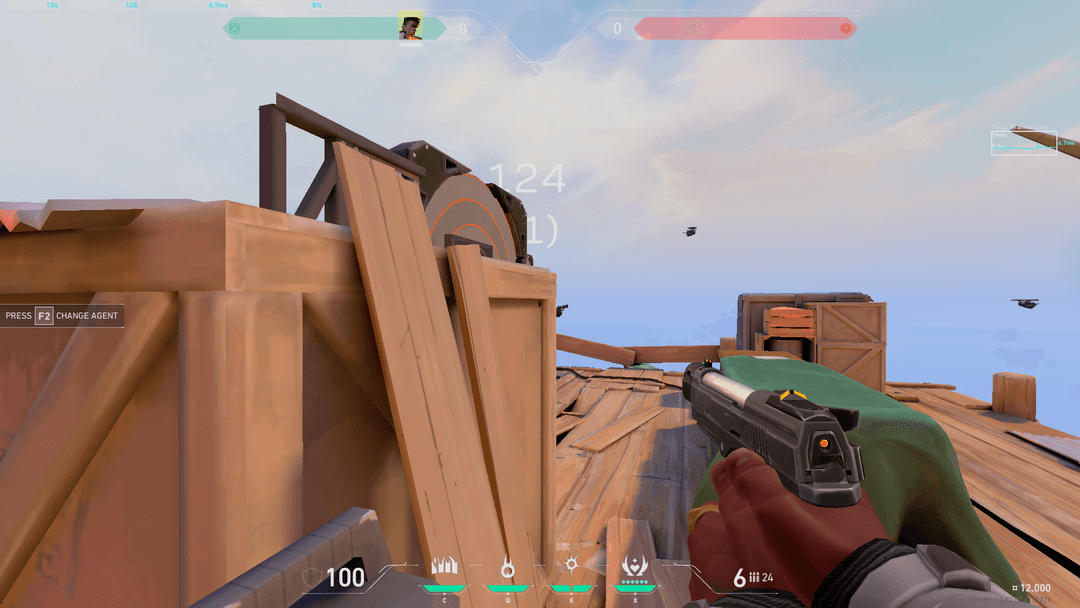
Bandit base headshot through walls
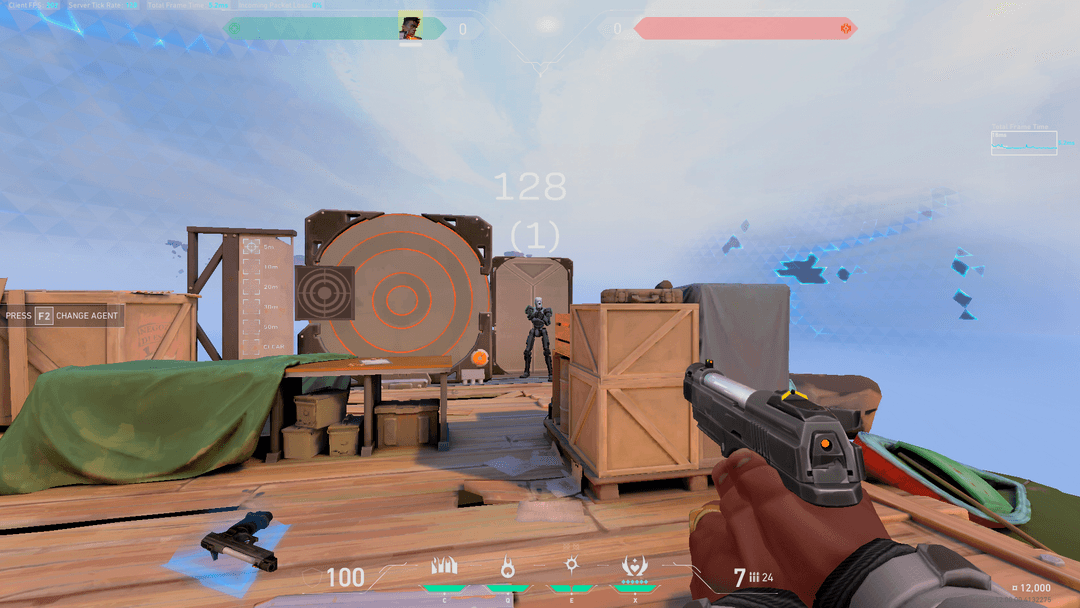
Bandit headshot damage at 10-30m
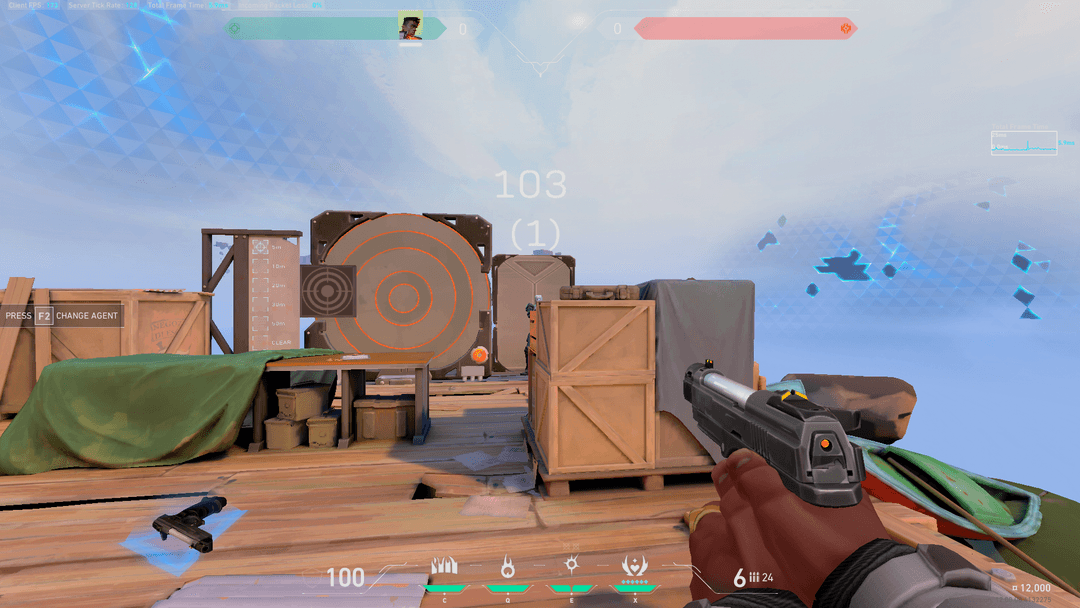
Bandit headshot damage at 10-30m through walls
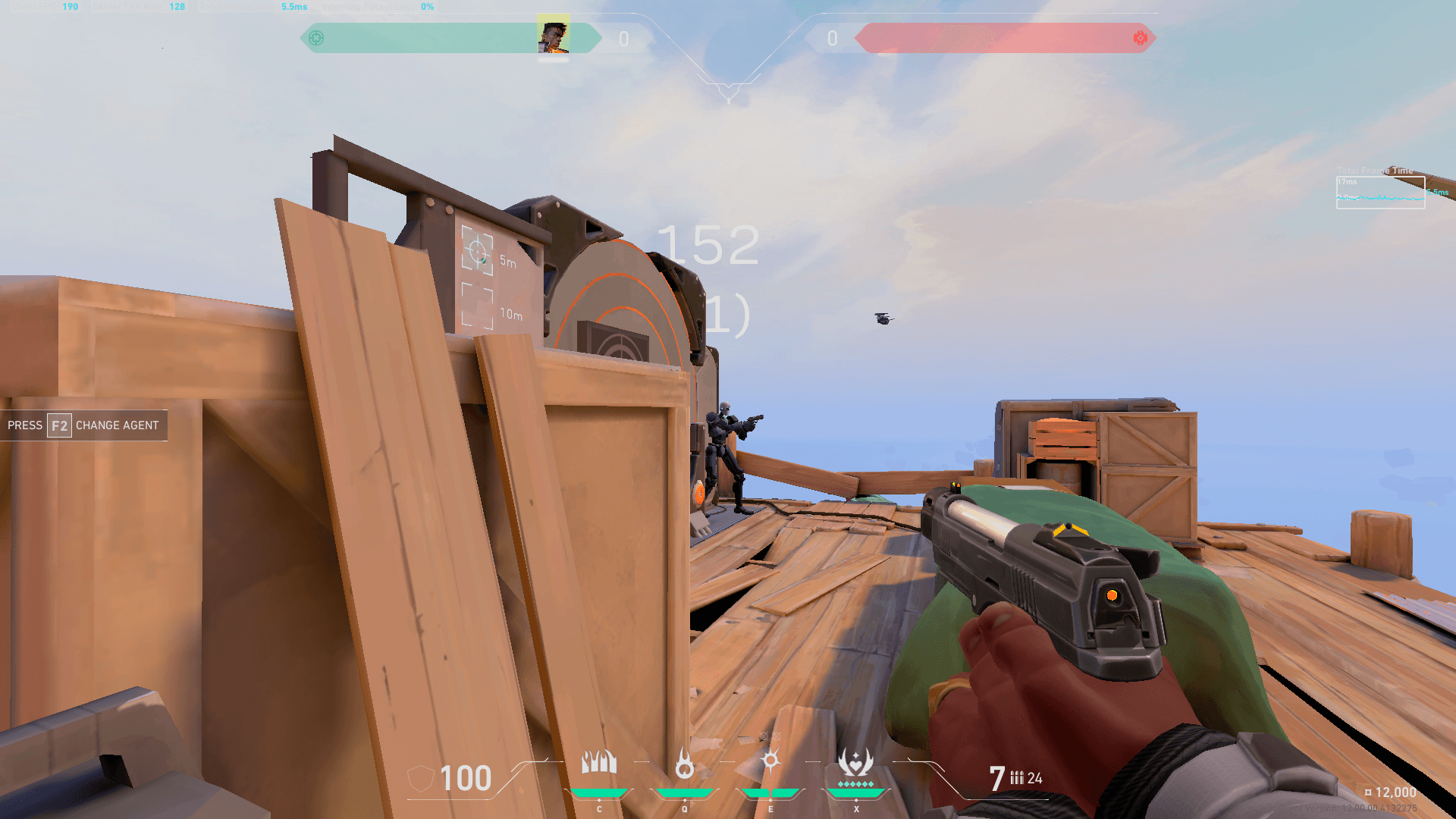
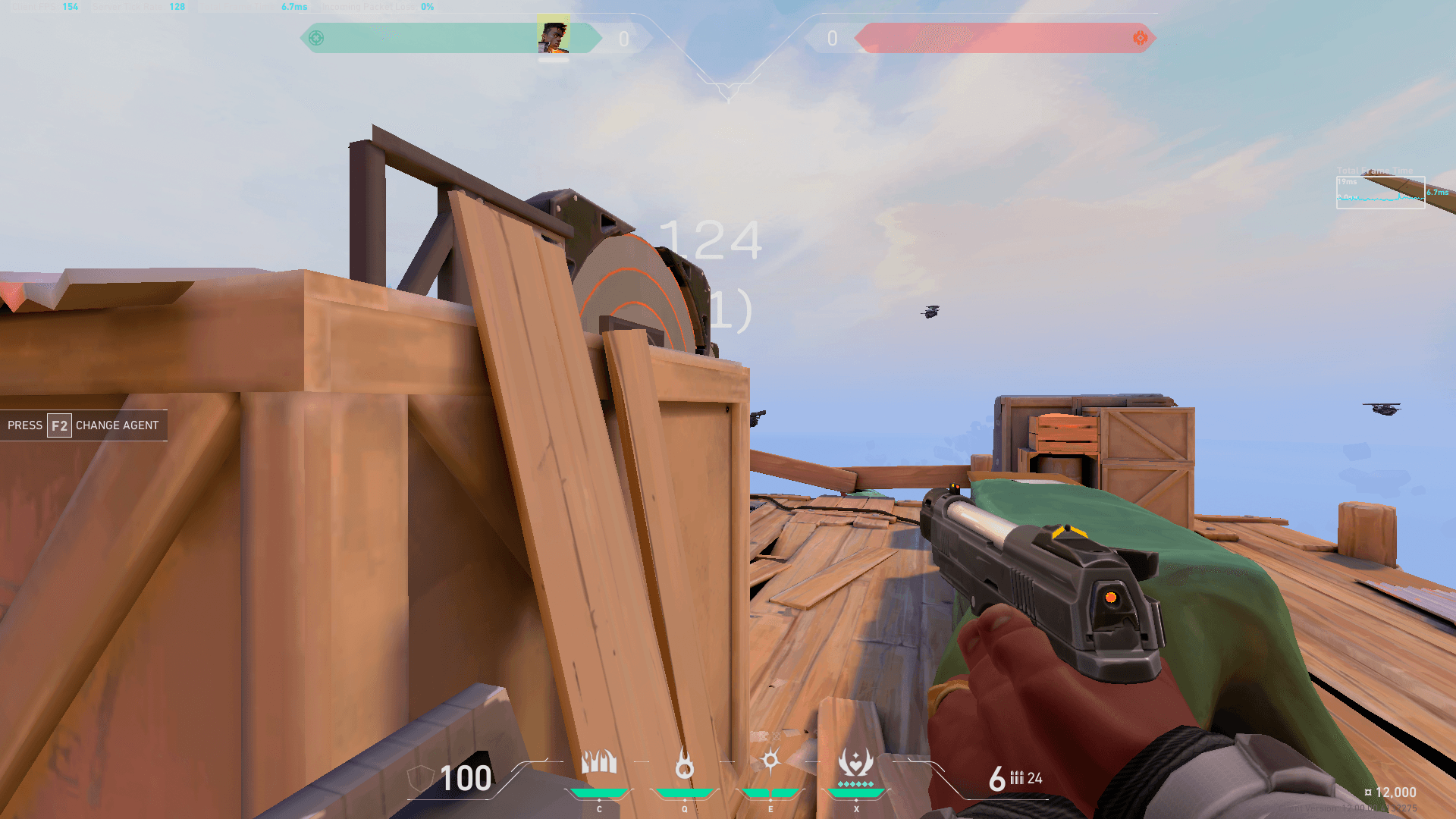
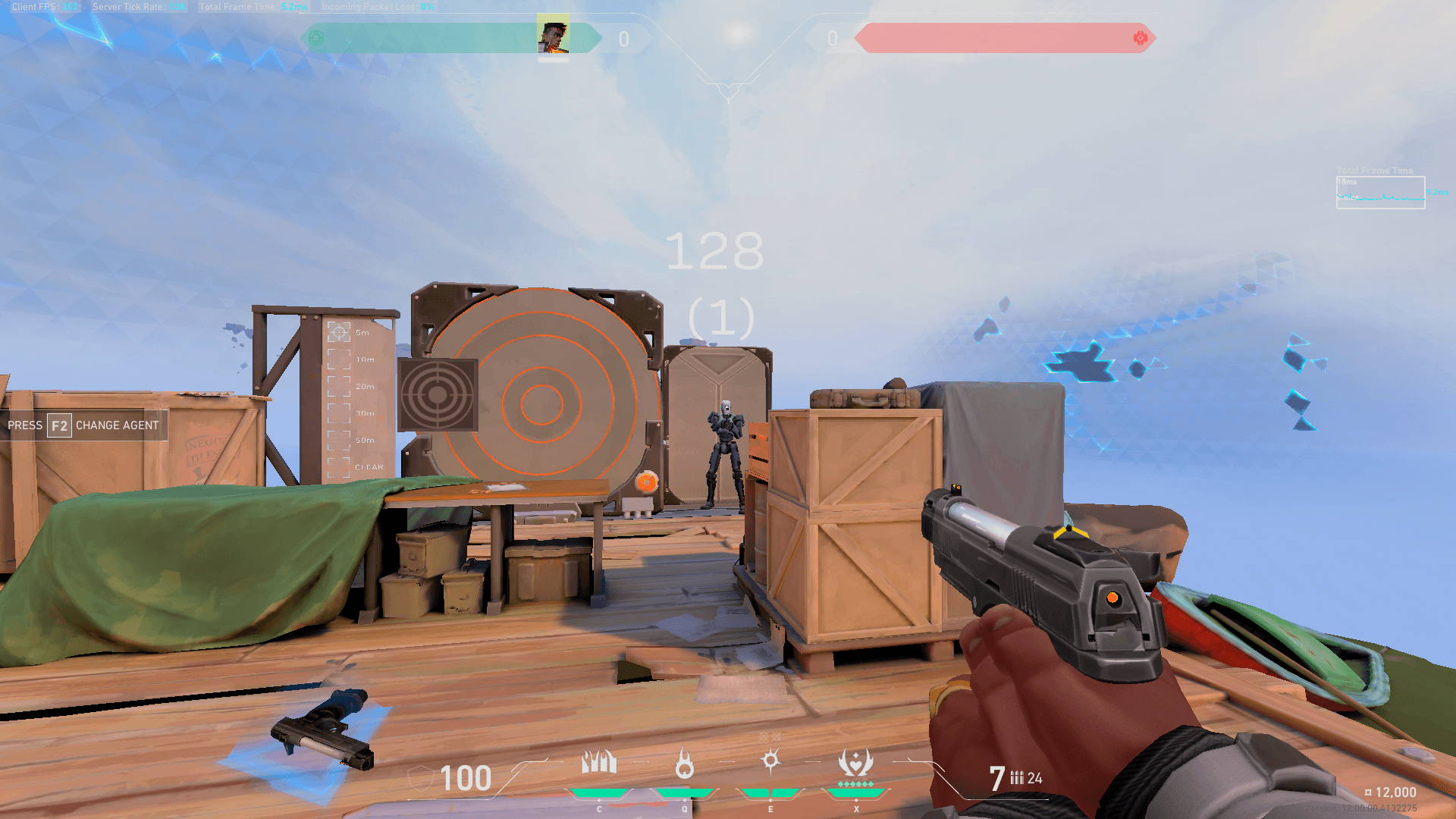
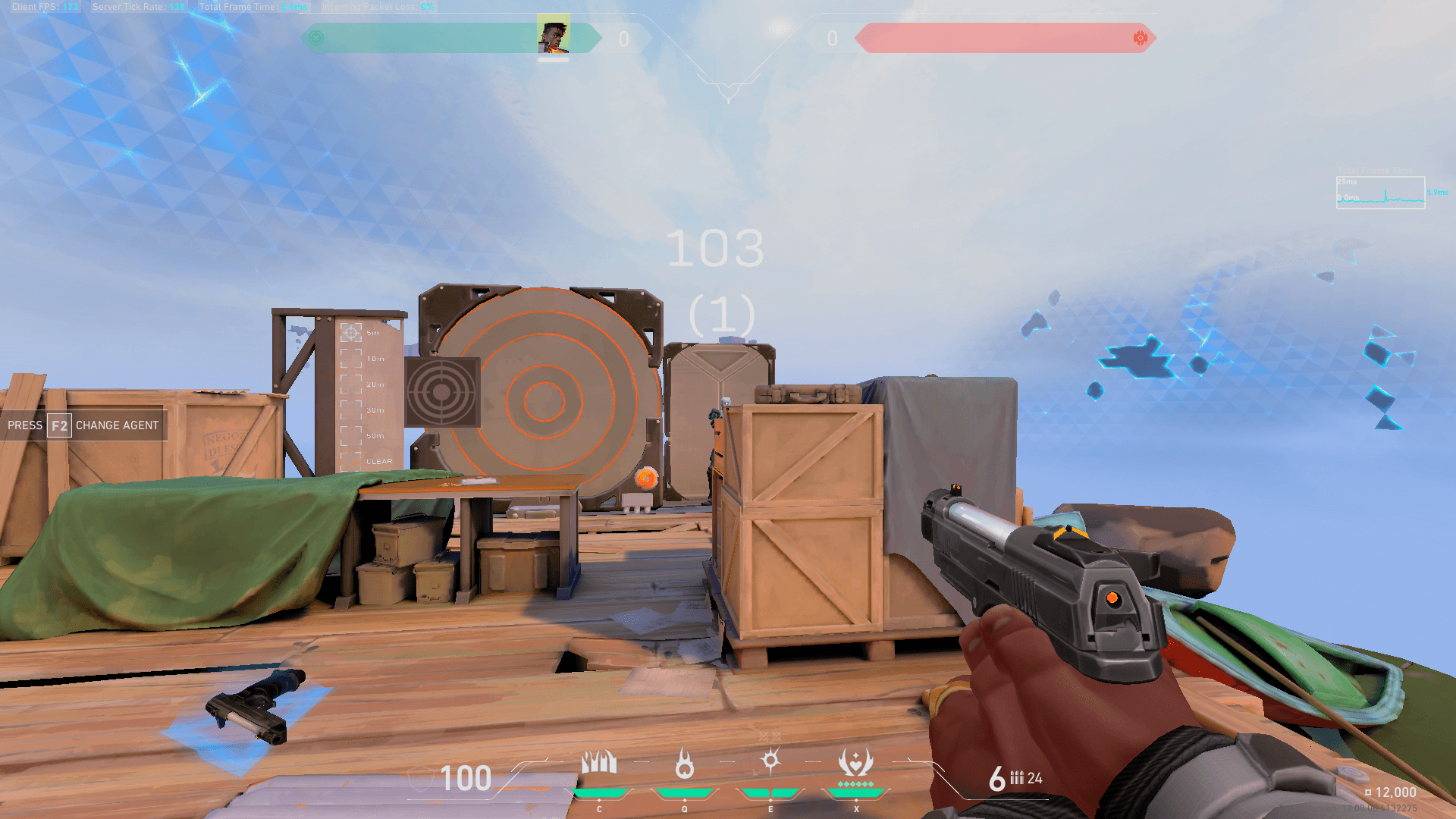
This difference alters how each weapon generates value beyond direct combat. CS2's Five-SeveN taps into map knowledge and gives a slight offensive advantage; skilled players can use wall penetration to catch opponents in common off-angles or utility areas. VALORANT's Bandit, while not worthless against cover, cannot replicate this advantage. The Bandit compensates by focusing its identity on direct confrontation rather than indirect map control.
Reload Speed
At 1.5 seconds, the Bandit reloads faster than the Five-SeveN's 2.2-second reload. This 0.7-second deficit matters significantly in competitive rounds. The Bandit's faster reload helps offset its low ammo count, letting players refill quicker during fights.
The Five-SeveN's slower reload reflects Counter-Strike's philosophy that economy management governs pistol rounds. Players expect to reload less frequently because they carry more ammunition, and the slowness penalizes inefficiency.
Recoil patterns
The recoil patterns of the Five-SeveN and Bandit underline just how differently these pistols want to be used. In an 8‑shot test (to maintain fairness with the Bandit’s smaller magazine), the Five-SeveN produces a tight, mostly vertical grouping, making it noticeably more accurate and ideal for quick double-taps. The first two bullets have almost no vertical climb, which makes lining up fast, repeatable headshots extremely reliable in close to mid-range duels.
By contrast, the Bandit’s spread is wider and less consistent, immediately signaling that it is not designed as a spam-friendly sidearm.
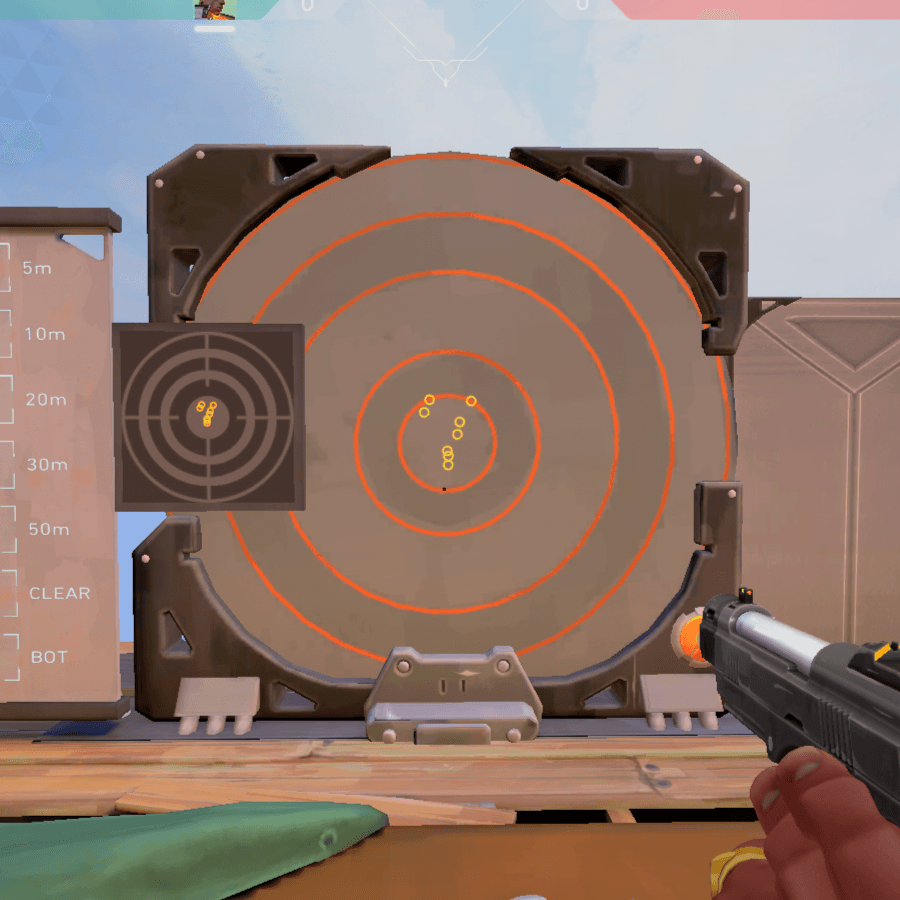
Bandit recoil pattern
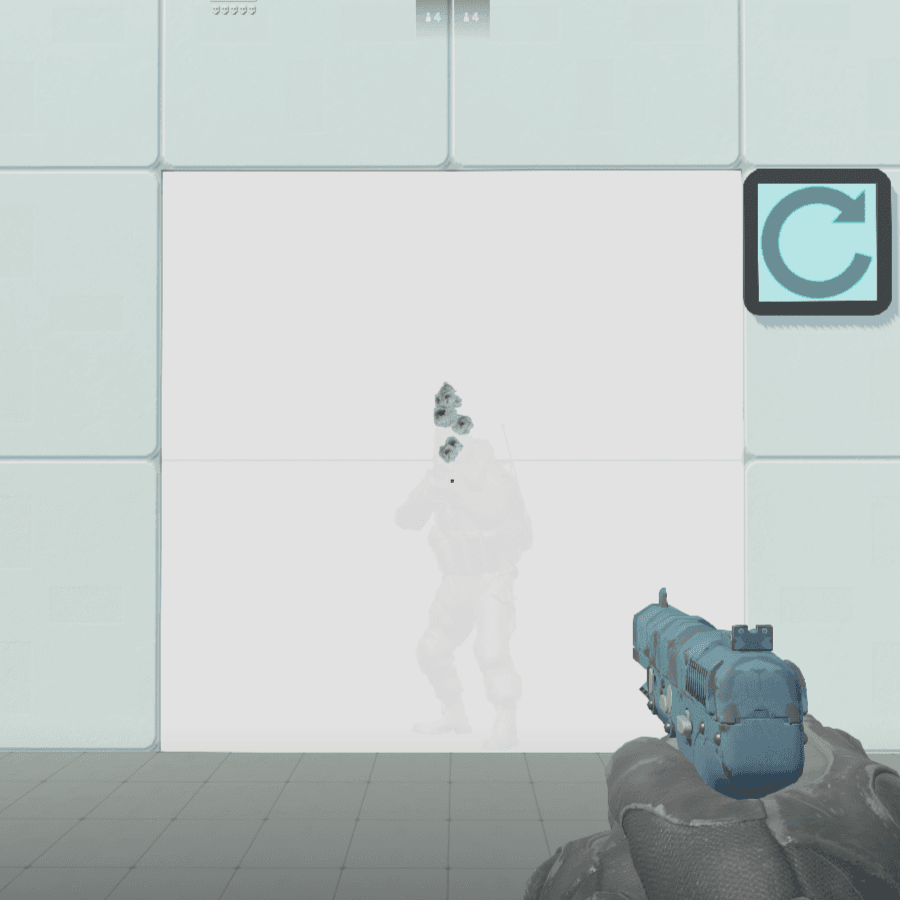
Five-SeveN recoil pattern
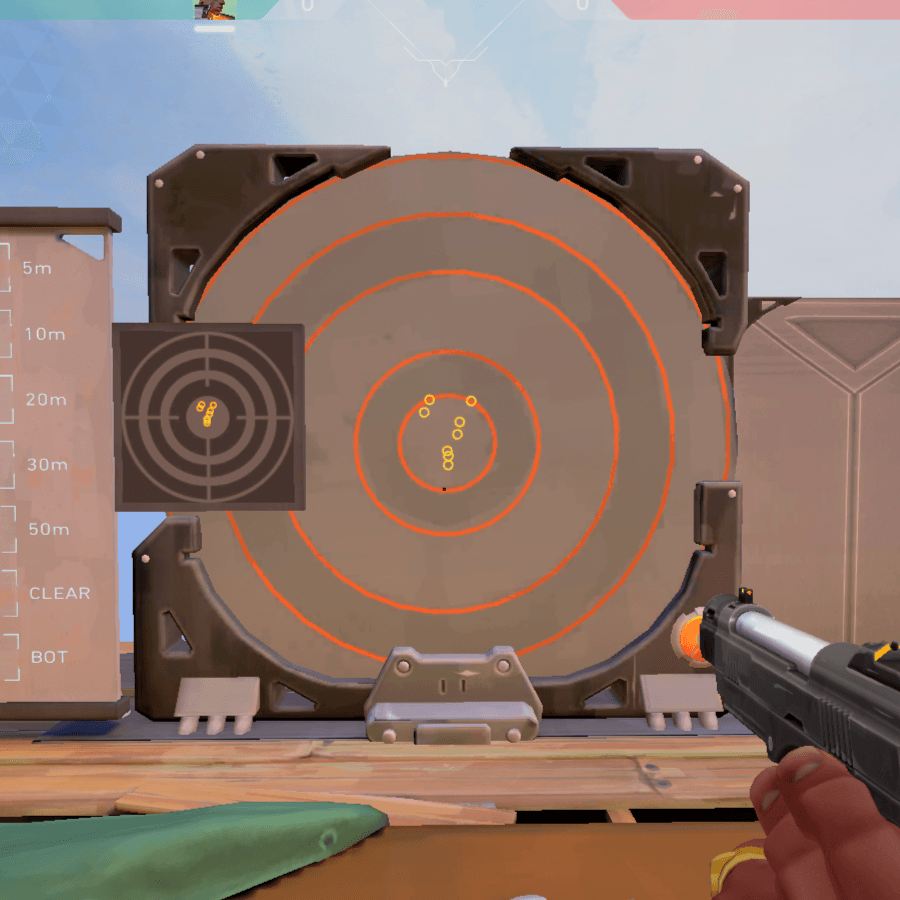
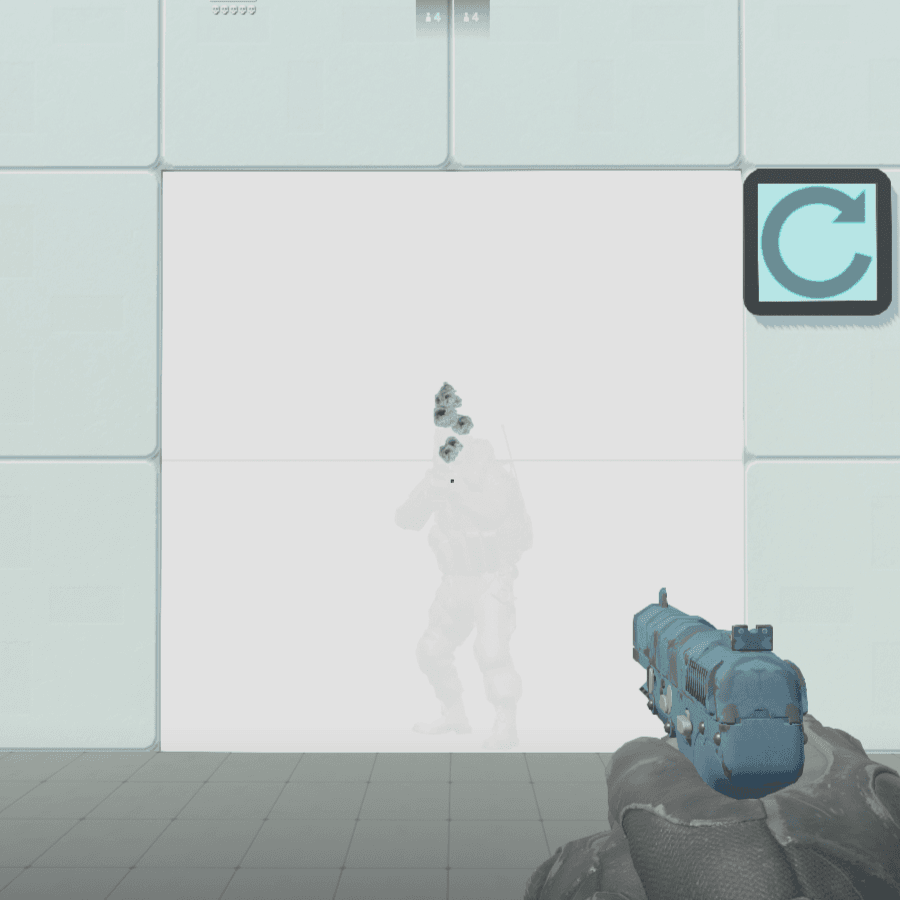
This ties neatly into Riot’s broader goal of reducing chaotic gunfights and rewarding "precise gunplay." Along with a first-shot spread of 0.275 degrees, there is always a small chance of missing at longer ranges even with perfect crosshair placement, pushing Bandit users toward tighter angles and shorter-distance fights where its high damage can truly shine.
Movement Inaccuracy
Movement inaccuracy testing reveals another clear gap between the pistols. Both weapons were fired during a 5-meter rightward strafe at a 14m target, spraying as fast as possible.
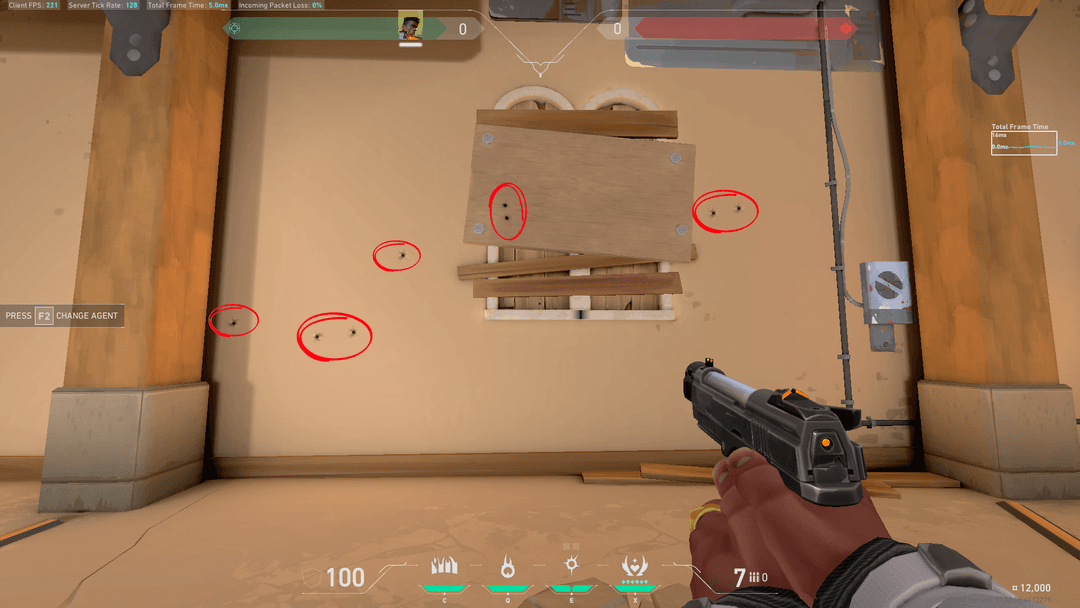
Bandit bullet spread while moving
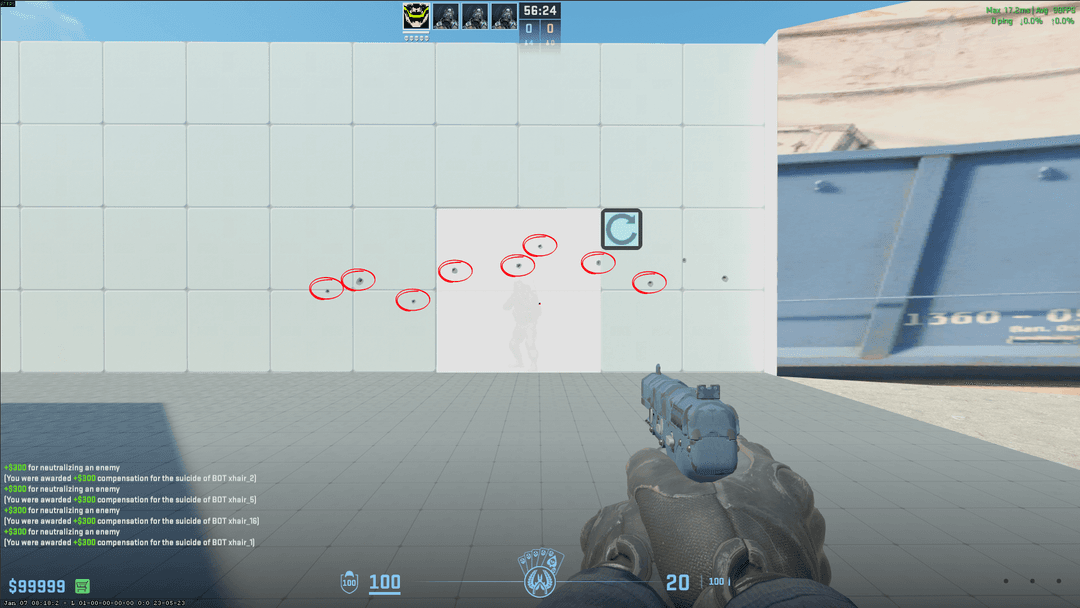
Five-SeveN bullet spread while moving
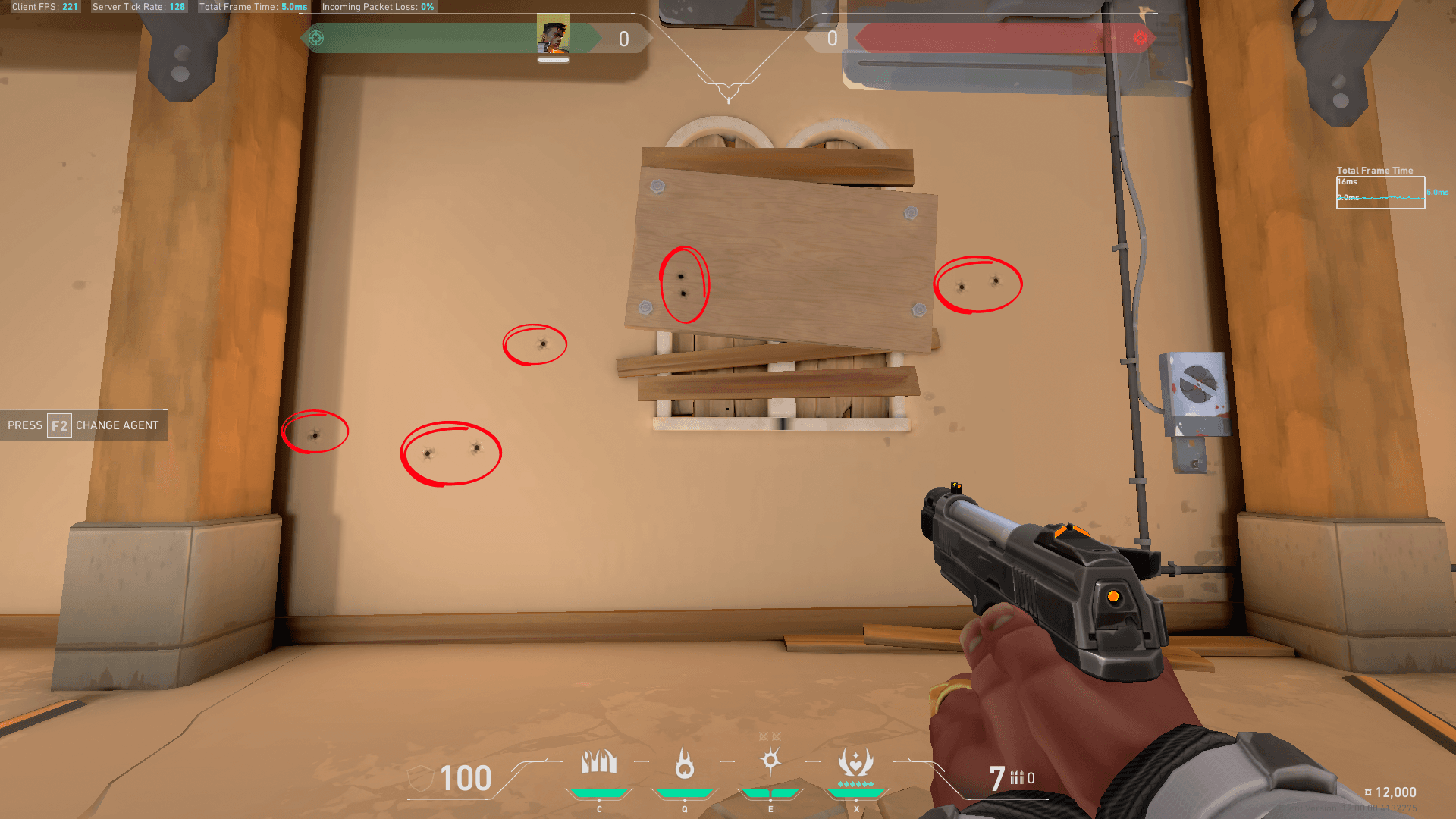
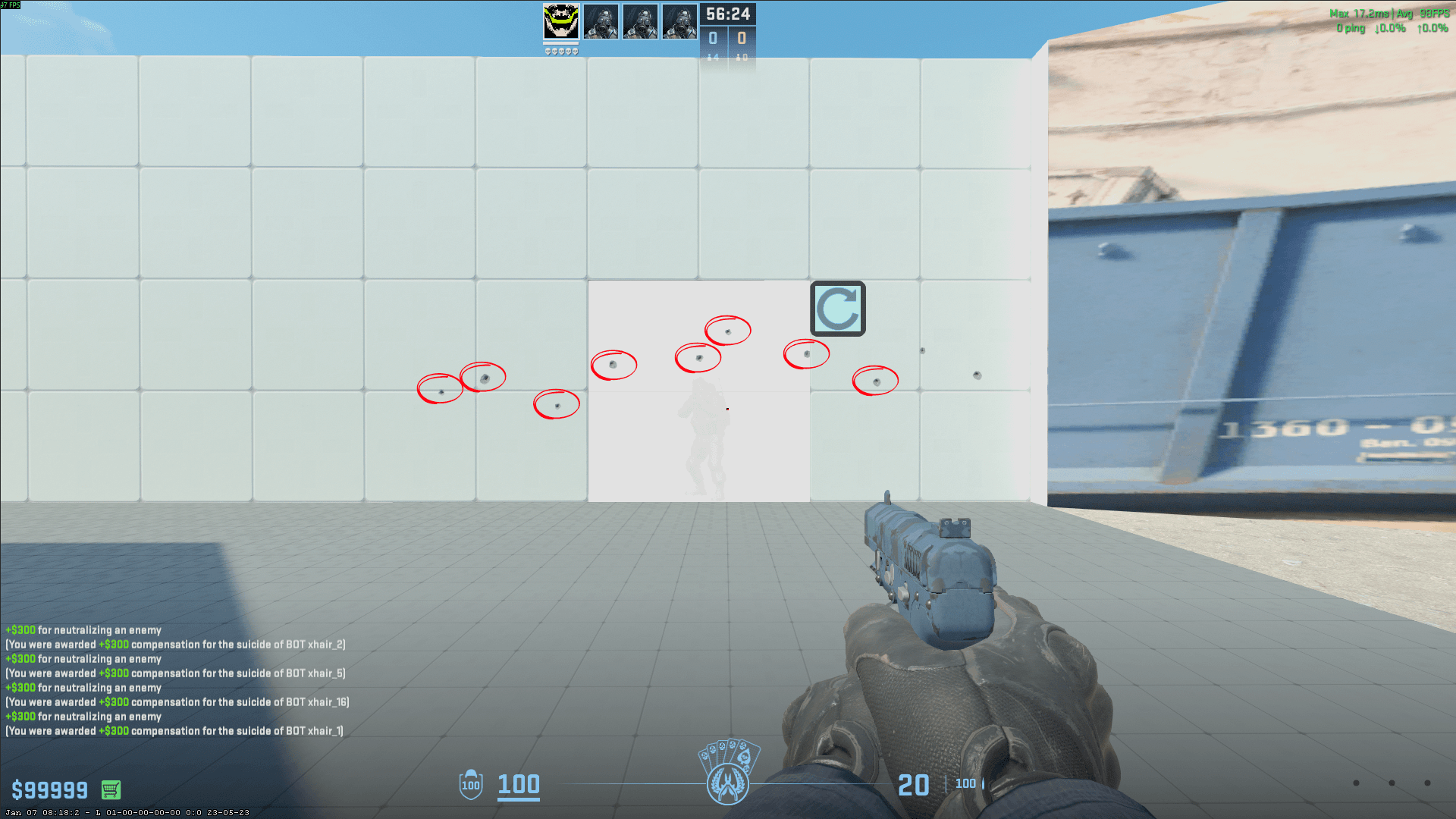
The Bandit's bullets scatter wildly, confirming its unsuitability for mobile gunfights. This reinforces Riot's design intent: stationary, precise engagements over chaos.
The Five-SeveN maintains a tighter spread during motion, rewarding CS2's precise counter-strafing mechanics. Lesser movement inaccuracy means recoil resets faster between shots, enabling accurate follow-up shots even while repositioning. Skilled players can leverage this to win aggressive peeks and eco-round duels.
Economic Fit: Eco Specialists
The Bandit slots primarily into VALORANT's pistol round or full-eco scenarios rather than force-buys. Priced at 600 credits, it offers superior firepower to the Ghost while staying cheaper than the 800-credit Sheriff. This makes it a smart thrifty pick when other weapons are out of reach, delivering high headshot damage without excessive cost. However, as a secondary weapon, players often favor the Shorty for close-range or Frenzy for a full auto spray down, as these better complement rifles like the Phantom, Vandal or the Operator.
Similarly, the Five-SeveN at $500 serves CS2's quick eco rushes across maps, leveraging its massive ammo reserves and wallbang potential. But CS2 has another nuanced mechanic which isn't replicated in VALORANT. CT (defense) and T (attack) sides have certain unique weapon choices, and the Five-SeveN is only available on the CT-side.
When purchasable, the Five-SeveN is hands down one of the best pistol choices, but the keyword being "when." The Five-SeveN is constantly being overshadowed by the Deagle because of it's better damage statistics, or even the free USP-S, which allows utility purchases. However, skilled users have showcased its potential on major stages. Both pistols thrive in desperation buys but are not the stars in force-buy strategies.
Conclusion
The Bandit and Five-SeveN may share a visual resemblance, but their mechanical DNA reveals two pistols optimized for entirely different competitive ecosystems. VALORANT's Bandit rewards precision and close-to-medium-range aggression while punishing spray and mobility through limited ammo, wider recoil, and movement inaccuracy. On the other hand, CS2's Five-SeveN thrives on close-range sustained fire and bullet volume that can turn desperation buys into multi-kills.
As VCT 2026 is about to kick off, professional players might soon unlock the Bandit's true potential, testing whether its high-risk precision can redefine VALORANT's thrifty meta on the big stage.
For all things VCT-related, make sure to stay tuned to THESPIKE.GG as we continue to update you with the freshest game and esports news.
Featured Image Exclusive to THESPIKE.GG
Latest News
- LOUD tkzin makes VALORANT Champions history with record-setting debutThe 18-year-old Brazilian rookie helped LOUD defeat EDward Gaming while setting a new record in his first international series.
 about 7 hours ago
 - Mouse and PC issues plague the start of VALORANT Champions ShanghaiVALORANT Champions Shanghai 2026 started just one day ago, and technical issues are already popping up for several players. 1 day ago
- All veteran players returning to VALORANT Champions in 2026See which familiar faces are back on the biggest international stage and who is looking to add another Champions title to their legacy. 2 days ago
Comments
vct 2023
For all information about the VCT 2023, check out our VCT Hub. There you will find our FAQ to answer all of your questions and details about the teams, different Leagues, and more.