“Potential alone isn’t enough” - Inside Team Vitality’s VCT Struggles with Esports Manager Andy Zajimovic
One of the teams leaving the VALORANT Champions Tour 2026 - EMEA Kickoff without a ticket to Masters Santiago was Team Vitality. As one of the more well-known organizations in EMEA, they’ve built a reputation, but also a long-standing pattern of missing out on global VCT events, despite being a franchised team with plenty of opportunities.
Their latest disappointment — failing to qualify for VALORANT Champions Tour 2026 - Masters Santiago 2026 after yet another major rebuild — raises serious questions. Why does Vitality continue to struggle to find consistent success despite signing top-tier players and experienced coaches?
To explore this and more, THESPIKE.GG sat down with Andy "Bangovic" Zajimovic, Vitality’s LEC & VCT Esports Manager, who shared insights into how the organization views its past and its future.
Vitality’s VCT journey
Team Vitality entered VALORANT shortly after the game’s release but spent its first two years grinding through lower-tier competitions without reaching any international events. In 2022, they became a partnered team in the VCT EMEA league, marking their entry into Tier 1 competition.
Their first franchised year (2023) was difficult, with stronger teams dominating the region while Vitality failed to achieve notable results. In 2024, they invested heavily in rebuilding the roster and coaching staff, bringing in well-known players. Despite some improvement, including a 2nd place finish in Stage 2 and their first Champions appearance in Seoul, they still missed most international events.
In 2025, Vitality went all-in, building a “superteam” with stars like Felipe "Less" Basso and Nikita "Derke" Sirmitev. The roster showed early promise, winning VALORANT Champions Tour 2025 - EMEA Kickoff and finishing fourth at VALORANT Champions Tour 2025 - Masters Bangkok 2025. However, their form dropped off soon afterwards, and despite multiple roster changes, they failed to qualify for additional international tournaments.
Heading into 2026, Vitality once again opted for a reset, bringing in new coaches and assembling another ambitious lineup featuring top talent like Timofey "Chronicle" Khromov and Elias "Jamppi" Olkkonen. Despite using Bartosz "UNFAKE" Bernacki as a stand-in during Kickoff, the roster showed flashes of potential. Still, they once again fell short of qualifying for a Masters event.
Reflecting on a lack of international appearances
When THESPIKE asked Andy Zajimovic to reflect on Vitality’s history and their limited presence on the international stage, he pointed to the structure of the VCT itself. With only a handful of slots available and just three international events per year, some teams are bound to miss out.
“From the beginning, Team Vitality’s journey in VALORANT was intended to build and progress sustainably over time. Joining the VALORANT Champions Tour partnership has been a valuable learning experience for everyone involved, including the organization itself. With each roster iteration, we have steadily improved our standings and moved closer to the top of the league.”
He added that while the results haven’t always followed, the team believes it’s closing the gap. Lessons like “potential alone isn’t enough” have pushed Vitality to refine its approach and focus on building a roster capable of winning titles.
The instability of the VCT scene
One of the biggest challenges, according to Andy, is the limited number of matches played each year. With only three international events and very few qualification spots, there’s little margin for error. Teams that miss out on global events also lose valuable stage experience.
“In order for a team to develop effectively, official matches are essential. However, with a limited number of games and extended breaks between competitions, particularly for teams that do not qualify for international events, there are fewer opportunities to build consistency and momentum.”
This often leads to mid-season roster changes, as teams look for quick fixes to stay competitive. According to Andy that is one way for the organizations to make a rapid leap from the middle of the pack to genuine title contention.
While this approach can sometimes produce rapid improvements, it also makes roster instability a defining feature of the VALORANT scene compared to other titles like Counter-strike. From Vitality’s perspective, that instability hasn’t been beneficial.
“On the contrary, it can be detrimental for both players and organizations, as it leaves little margin for error and often forces reactive decisions depending on the stage of the season. Moving forward, I hope that an increased number of matches will create a more stable and development-friendly environment.”
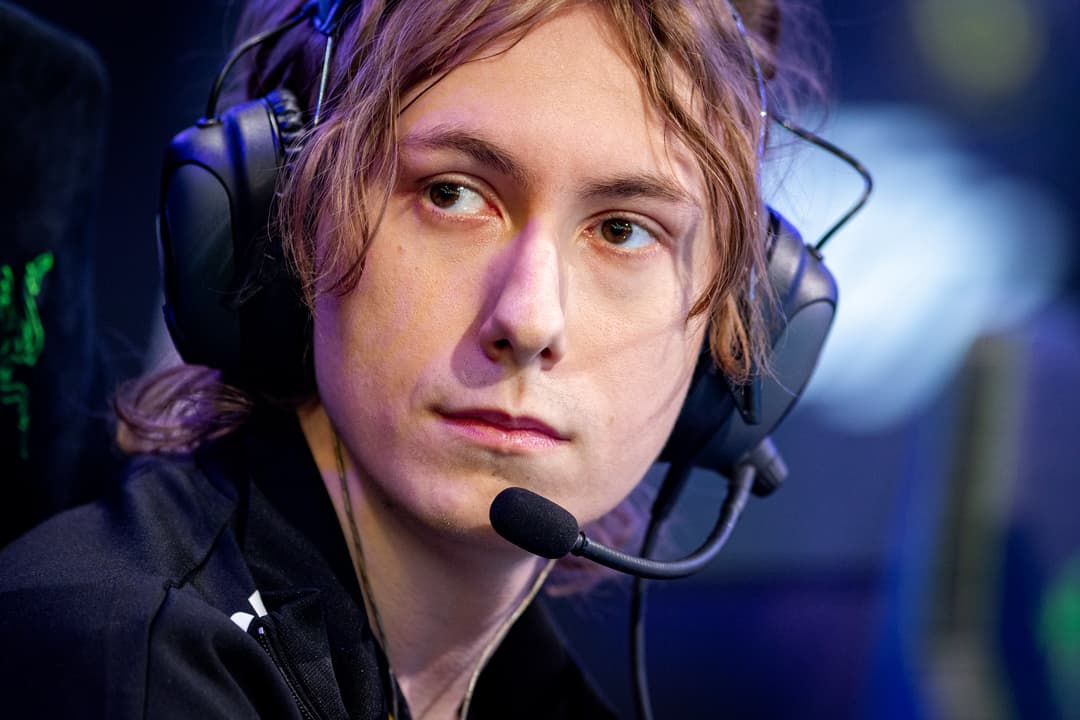
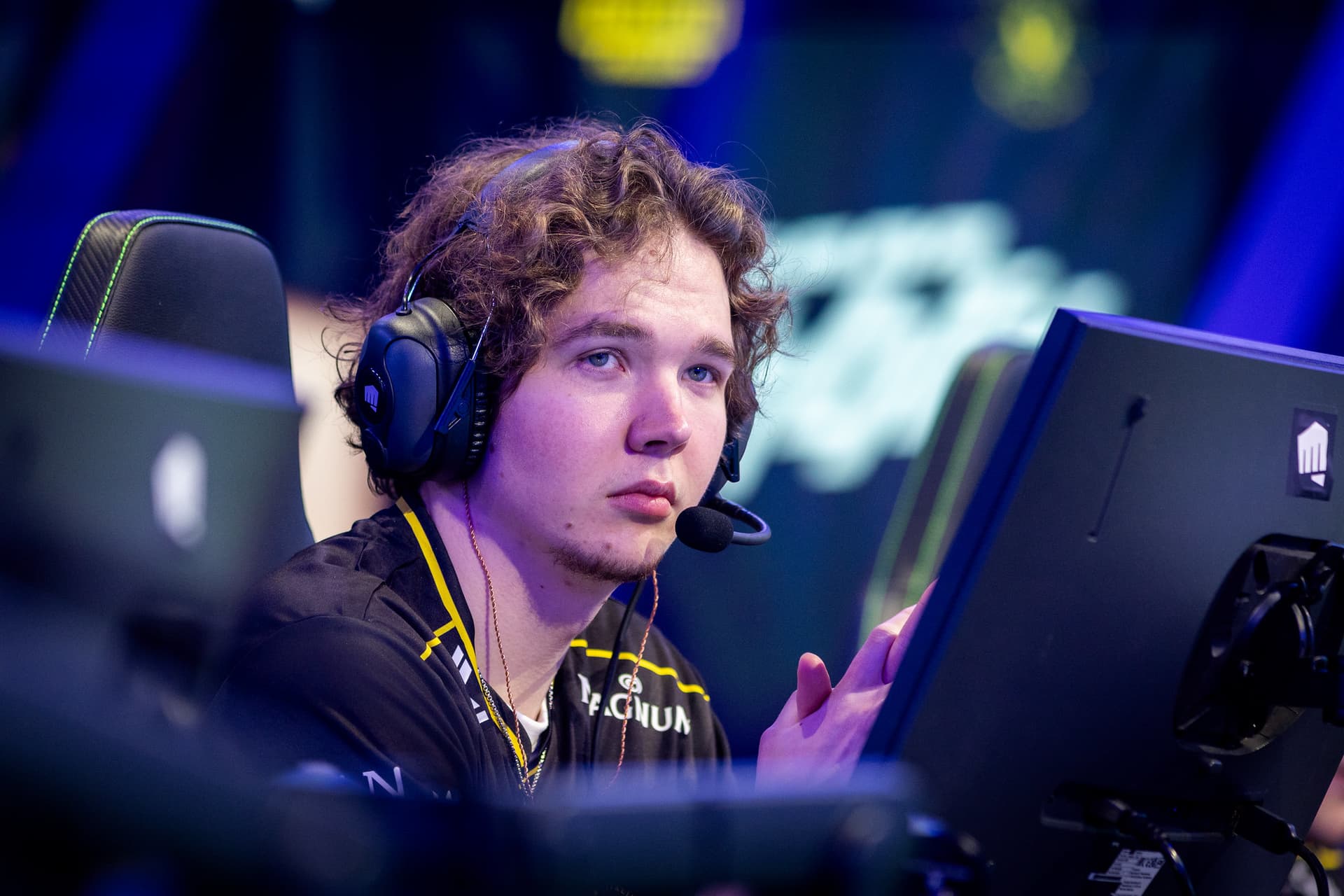
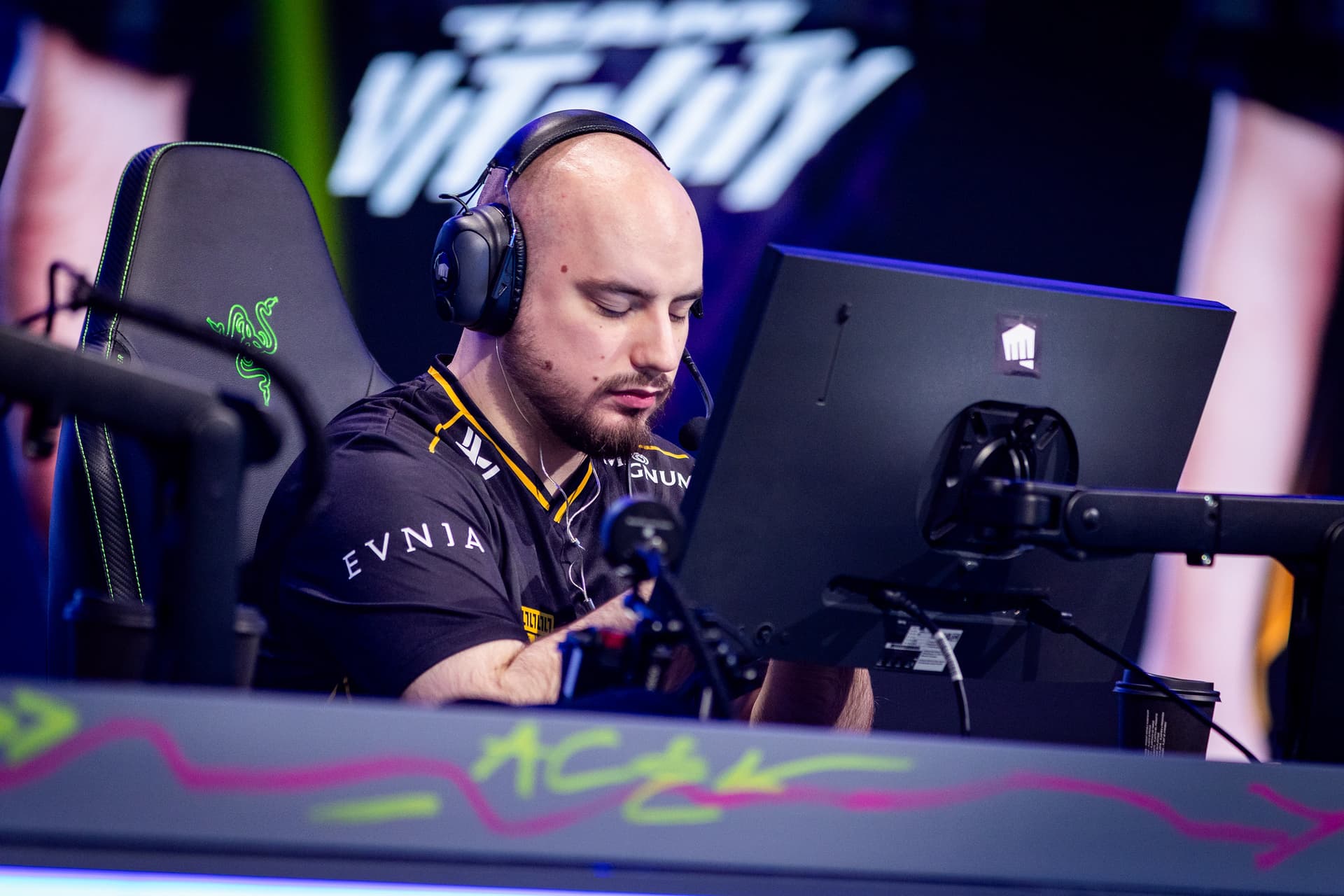
Chronicle joined Vitality in October 2025. Photo: Wojciech Wandzel/Riot Games.
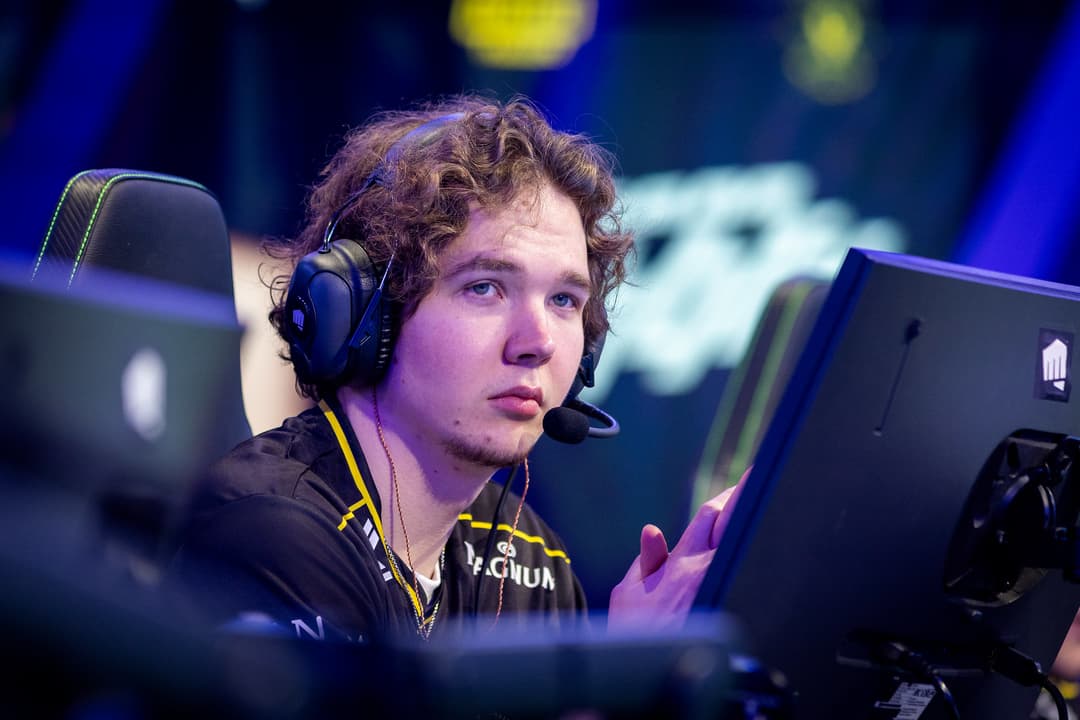
Jamppi joined Vitality in November 2025. Photo: Wojciech Wandzel/Riot Games.
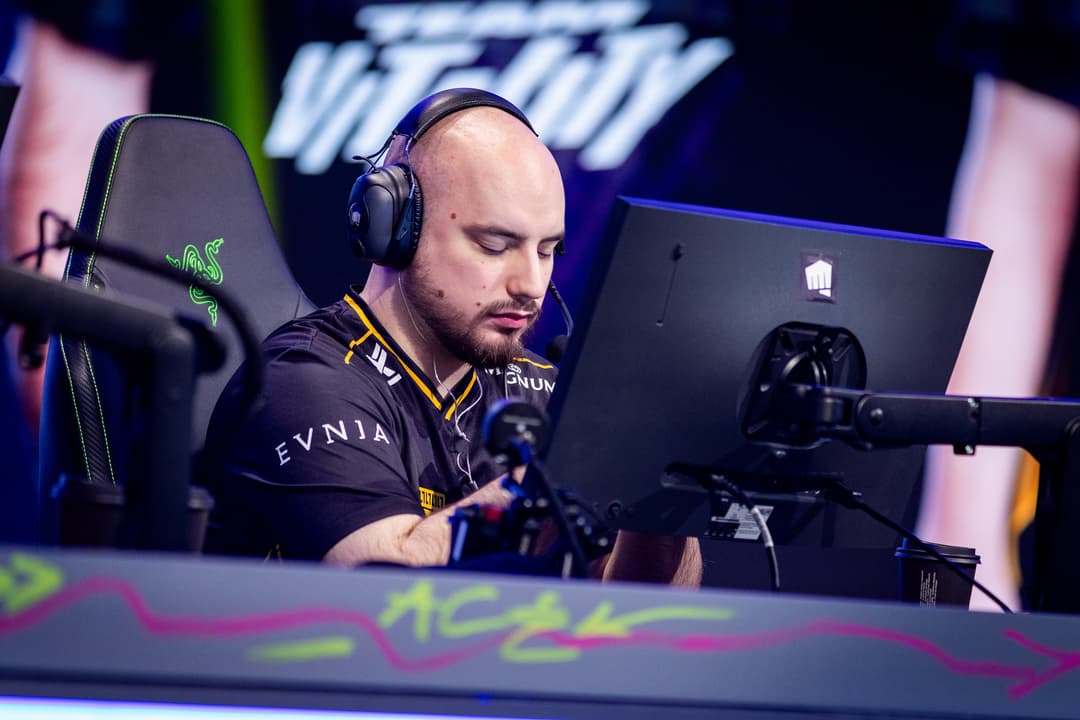
Derke is the only player left from the old 2025 squad. Photo: Wojciech Wandzel/Riot Games.
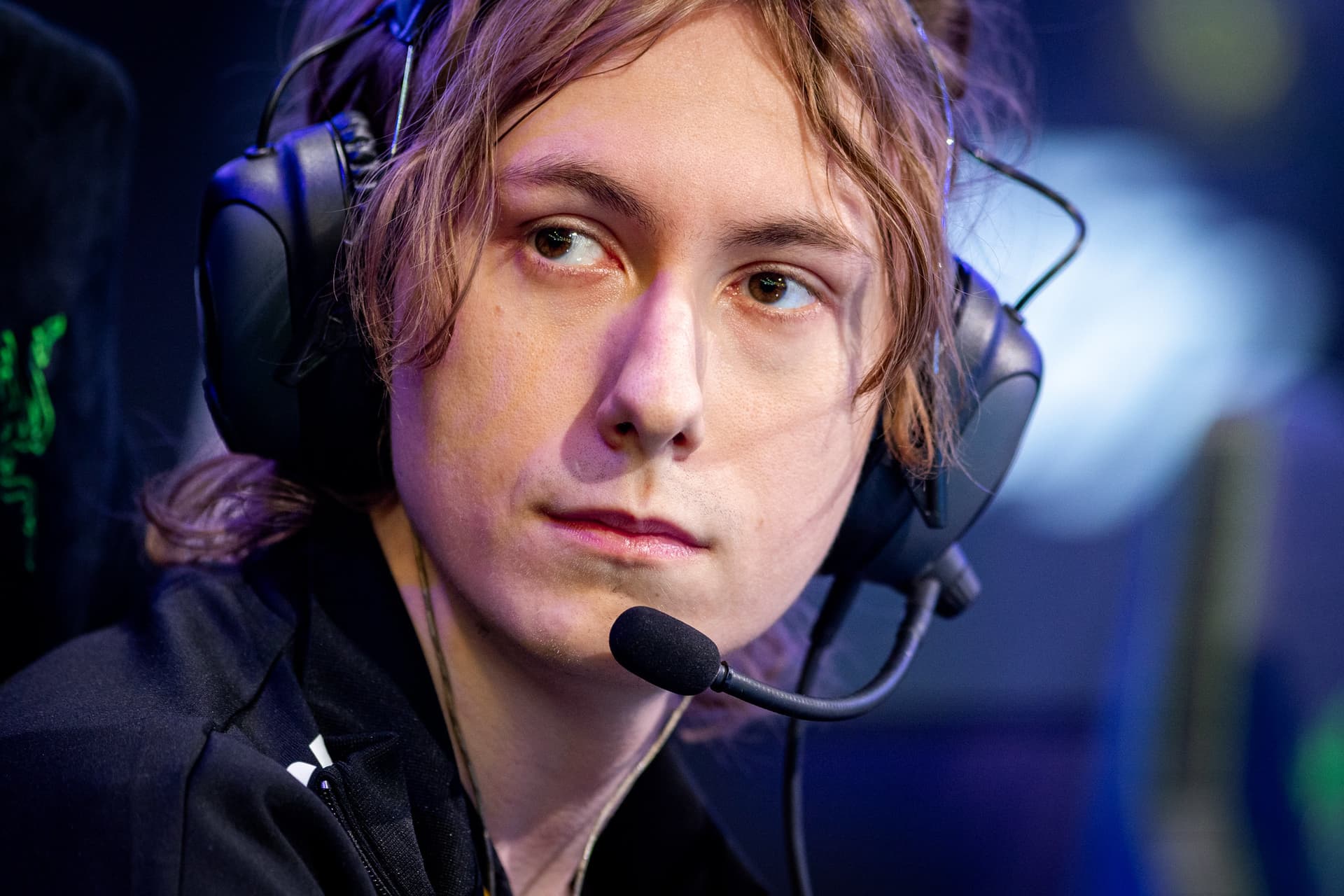
The switching of IGLs and Coaches
While some teams prioritize stability, Vitality has leaned into frequent rebuilds. Over the past two years, the organization has repeatedly changed both in-game leaders (IGLs) and head coaches, sometimes in the middle of a season.
For example, in 2025, Vitality benched their IGL Sayf and brought in UNFAKE. The move ultimately didn’t deliver the desired results and may have contributed to the team’s ongoing struggles.
“Making a mid-season change to the IGL role is particularly challenging, and unfortunately, we were unable to reach the level required to qualify for Champions in Paris. I believe time constraints prevented a fully successful transition. That said, UNFAKE demonstrated his potential during Kickoff 2026, and I am glad he had the opportunity to showcase his skills and redeem himself to some extent.”
When asked why Vitality has repeatedly made changes to such critical roles, Andy emphasized that each decision was necessary at the time.
“These changes occurred naturally alongside the roster adjustments. The transition from Daniel "Faded" Hwang to Gregor "PAL" Morton was necessary to allow us to build from the ground up and establish a system based on the strong, existing relationship between our new IGL, Jamppi, and our new Head Coach, PAL.”
Aiming high for the future
Missing out on Masters Santiago was a tough blow, but Kickoff is often more about adapting quickly to the meta. The rest of the season presents a much bigger test. Despite the team’s inconsistent past, Andy remains optimistic. With Ștefan "Sayonara" Mîtcu turning 18 in March, the roster is finally complete heading into VALORANT Champions Tour 2026 - EMEA Stage 1.
“Now that Sayonara has turned 18, our focus is on continuous day-to-day improvement, with the clear objective of becoming a title contender. At Team Vitality, we believe that victory is a journey, and this phase is an essential part of that process. Competing for trophies is the standard we have set for ourselves.”
Conclusion
Team Vitality is a major organization in esports, with a presence across multiple titles. However, in VALORANT, they’ve struggled to establish themselves on the global stage. Key challenges, like a limited number of events and constant roster turnover, have made it difficult to build long-term success. While some teams thrive on frequent changes, Vitality has yet to find a stable foundation.
Mid-season role swaps and time constraints have repeatedly held them back. From Andy’s perspective, building a winning VCT team is a complex, ongoing battle, but one where progress is still being made.
With a refreshed roster and Sayonara now eligible to compete, Vitality has another opportunity to break the cycle. Whether this lineup can finally deliver remains to be seen, but the expectation is clear: this team is aiming for titles.
For more interviews from your favorite teams and players, stay tuned to THESPIKE.GG.
Featured image source: Team Vitality.
Latest News
- Paper Rex and NRG secure playoffs spots at VALORANT Champions ShanghaiPaper Rex and NRG pull off reverse sweeps against G2 and Karmine Corp, respectively, to advance to Champions Shanghai playoffs.
 about 6 hours ago
 - VIT Sayonara on beating Global Esports: "Props to them for creating such an annoying playstyle to play against"THESPIKE sat down with VIT Sayonara after the team's win over Global Esports in their opening match of VALORANT Champions Shanghai. about 6 hours ago
- VALORANT devs reveal another round of Neon nerfs is comingRiot is considering further Neon nerfs as the Duelist continues to make a strong impact in ranked and competitive play.
 about 9 hours ago
Comments
vct 2023
For all information about the VCT 2023, check out our VCT Hub. There you will find our FAQ to answer all of your questions and details about the teams, different Leagues, and more.