CS2 Knife Trade-Up update explained: What every player needs to know

The latest update in Counter‑Strike 2 changes the way players can acquire high-tier items. It now allows you to trade five Covert-rarity weapon skins for a chance at a knife or a pair of gloves. At first glance, this seems like a simple upgrade. Yet the change sends ripples through the skin economy and the way players think about value. Here is everything you need to know about the new CS2 trade-up system!
What is a CS2 trade-up contract and how does it work?
A trade-up contract lets you exchange several weapon skins of the same rarity for a higher-tier item. Before this update, you could only trade lower-tier skins for a better weapon skin. Now, if you use five Covert skins, you receive either a knife or a pair of gloves. If all five are StatTrak, you receive a StatTrak knife. Regular skins give a regular knife or gloves, since gloves do not exist as StatTrak. The resulting item comes from the same case collections as the input skins. This also means that the new CS2 trade-up contract system doesn’t affect other cosmetics, such as stickers.
This system connects directly to CS2’s case mechanics. Each knife or glove belongs to one or more collections. That means your inputs define your output pool. You cannot select an exact model or finish, but you can target a specific group by carefully choosing your input skins.
How can you trade up five Covert skins into knives or gloves in CS2?
Here is a clear step-by-step:
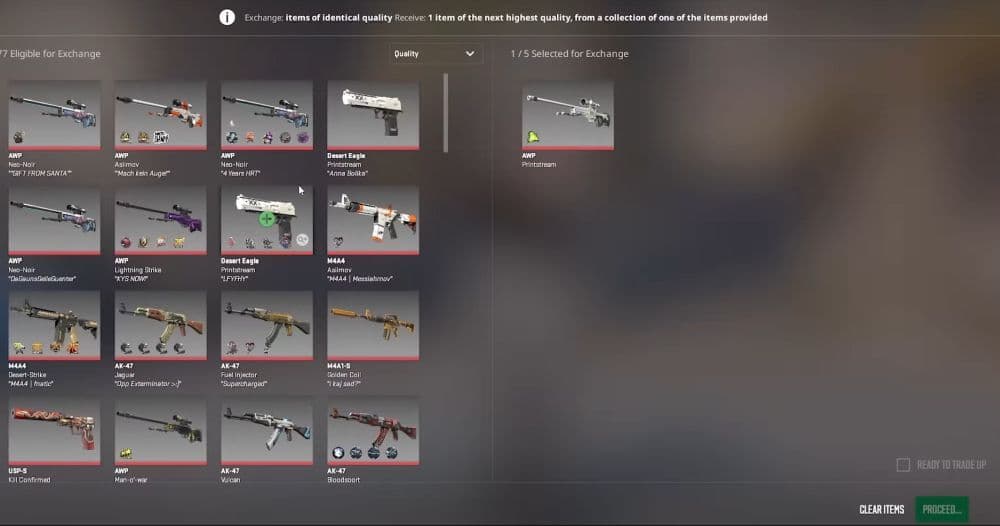
- Open your inventory in CS2 and select the Trade Up Contract option.
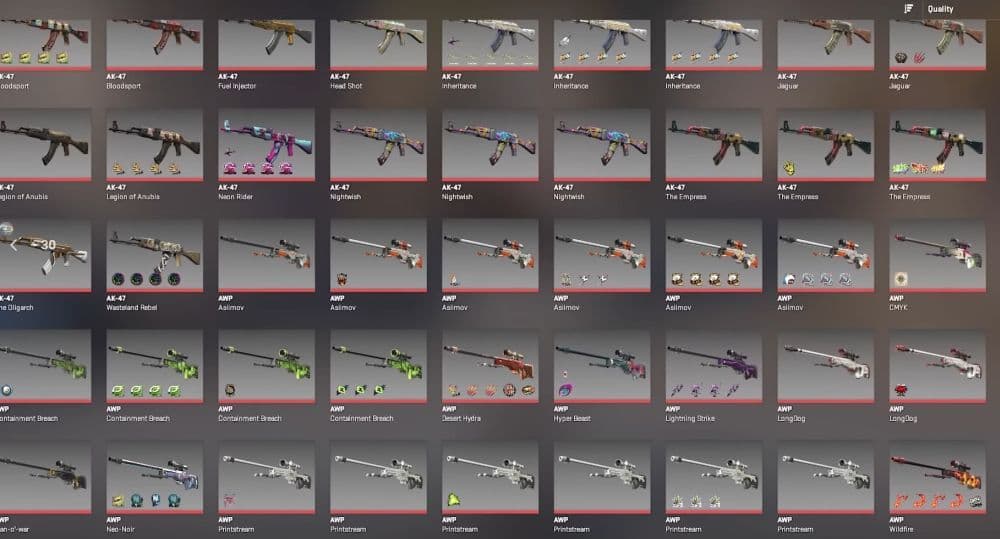
- Choose five Covert-rarity skins. If you want a StatTrak knife, make sure all five are StatTrak. If you are fine with a regular knife or gloves, use regular Covert skins.
- Insert the skins. The system will select one item from the pool defined by the collections of your five skins. The item may be a knife or it may be gloves (regular only).
- Confirm the trade-up. The result appears in your inventory. Then you can use, trade or sell the item. Check if a trade-hold applies depending on how you acquired the skins.
Important details to keep in mind:
- You cannot mix StatTrak and non-StatTrak skins in one contract.
- All five skins must be Covert rarity.
- The output item is random within the pool defined by your inputs.
Why do float values matter when doing a CS2 trade-up contract?
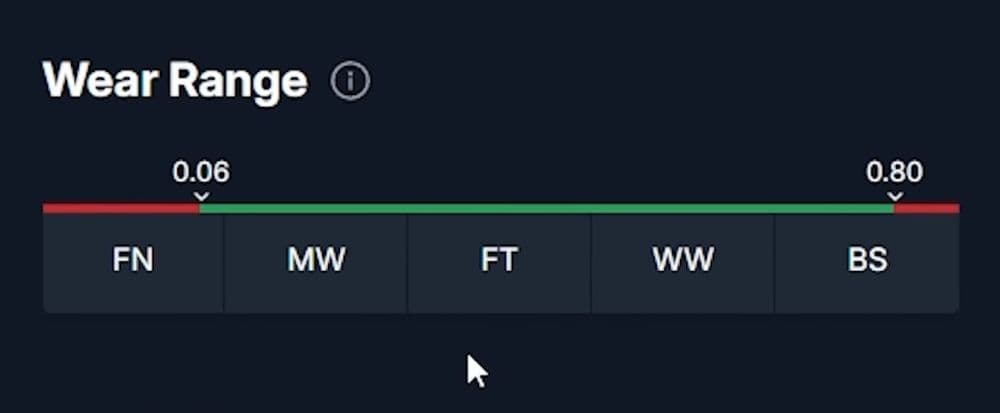
Float values represent the wear level of a skin. In trade-ups, they play a critical role because the float of your inputs influences the float of your output. If your five Covert skins have low floats, the resulting knife or gloves are more likely to come out in Factory New or Minimal Wear condition. Since float affects value, players often pay higher prices for low-float inputs to improve their odds of obtaining a high-quality result.
However, this also means that not every trade-up is profitable. Some input combinations cost more than the average output value, especially when float premiums are included. Smart traders research both the cost of the inputs and the potential resale value of the outputs before confirming any trade-up.
Which Covert skins in CS2 map to which knives or gloves in the trade-up pool?
Knowing which input skins link to which output pool gives you more control:
- Each case or collection in CS2 includes specific knives and gloves that drop from it. If you use Covert skins from one of those cases, you get an output from that same case.
- Example: If you pick five Covert skins all from the Dreams & Nightmares case, your output will be from the knife/glove pool tied to that case; in this case, a range of knives, including the Butterfly.
- For gloves: They drop only from certain glove-series cases. Using Covert skins from those cases qualifies you for that glove pool. For example, using Covert skins from the Clutch Case can reward you with Sport Gloves Vice, while Operation Hydra Case skins can yield Hydra Gloves Emerald.
- Guarantee of a specific model or finish? Not possible. You can narrow the pool (by using same collection) but the exact finish, wear and pattern remain random.
So your best tactic is: pick five skins from the same collection that holds the item you want. That gives you the best odds for your target knife or glove.
How has the new trade-up update impacted the CS2 skin market?
The update sent shockwaves through the skin market. Within hours, the total market capitalization reportedly dropped by nearly $2 billion. Knife and glove prices plummeted as supply surged. Items that once symbolized exclusivity became obtainable through crafting, disrupting years of accumulated value. Players are still discussing the outcomes on Reddit.
Meanwhile, the prices of Covert skins rose sharply. They are now essential for trade-ups, creating a new “fuel” economy. For the first time, red-tier skins gained significant long-term utility beyond cosmetic appeal. While traders lost profit, casual players gained new access to rare items. The market remains volatile, and recovery will depend on future player behaviour and Valve’s next steps.
Which case collections are currently most popular for trade-ups?
Certain cases have become especially valuable because of the knives and gloves linked to them. The Operation Breakout Case and Spectrum 2 Case are now some of the hottest collections, since they offer the Butterfly Knife pool. Other cases such as Chroma 2, which includes the M4A1-S Hyper Beast and MAC-10 Neon Rider, are also seeing spikes in activity.
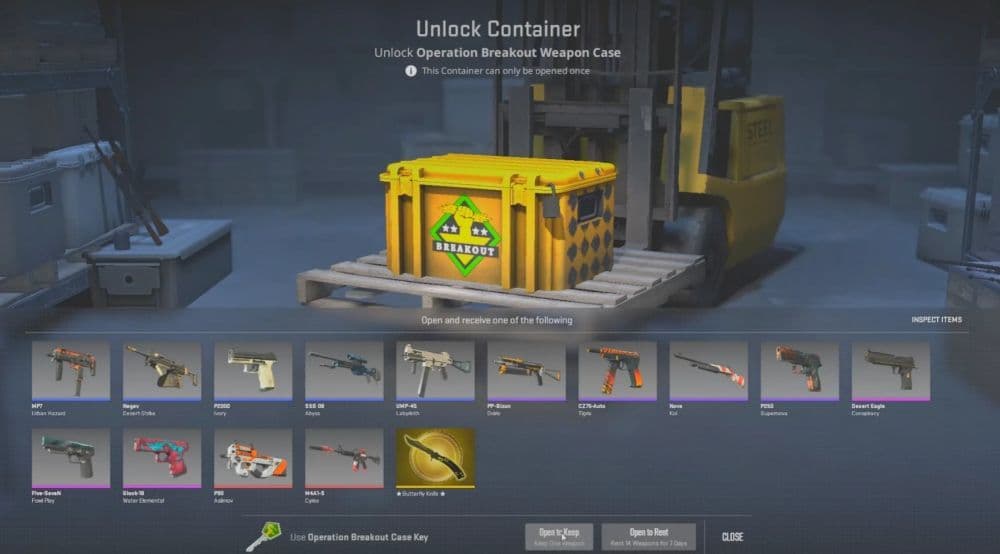
Older cases tied to classic knives, like the Karambit or M9 Bayonet, have seen renewed interest. Players are buying up covert skins from these cases to narrow their trade-up pools. The Glove Case and Operation Hydra Case also remain favourites for players targeting specific glove series.
The pattern is clear: collections that include high-demand knives or glove types are now dominating the market. Red skins from these cases are experiencing price inflation as players stockpile them for future use.
What risks and strategies should players use when participating in CS2 trade-ups?
Risks to consider:
- You are guaranteed a knife or glove, but not a high-value finish or pattern. The return may be below expectations.
- Input costs can go high, especially as Covert skins rise in value.
- Market value of your output can fall quickly if many players craft and sell the same item.
- If you use skins from multiple collections, your output pool expands and you may end up with an item you did not want.
Good strategies:
- Use five Covert skins all from a single collection that contains the item you want. That narrows the output pool.
- Aim for input skins with good float and decent value. Low-float inputs tend to produce better outputs.
- Check current market trends: input skin prices, potential output values, supply and demand.
- Decide your goal before you craft: usage (you want the item to keep) or profit (you want to sell). Your strategy changes accordingly.
- Accept that the trade-up is still a gamble. Use caution, not hype.
What are possible future changes or risks in the CS2 skin economy?
The most immediate concern is oversupply. With thousands of players crafting knives and gloves, rarity is falling. This means some of the most expensive knives in CS2 may not be that expensive anymore. The second risk is inflation of input skins: as more players perform trade-ups, the price of Covert skins will continue to rise, pushing out lower-budget players.
There is also the possibility of policy change. Valve might limit certain collections or adjust trade-up eligibility to protect market stability. They could introduce cooldowns or additional material costs for trade-ups, especially if inflation continues.
If you plan to join the trade-up wave, take time to learn how cases, floats, and collections work. Choose your inputs wisely, understand your risks, and follow the market closely.
Featured Image Credit: u/Such-Cucumber-2428 on r/cs2