How to make a Minecraft mob farm in 8 easy steps
A mob farm can net you that sweet Minecraft XP continuously.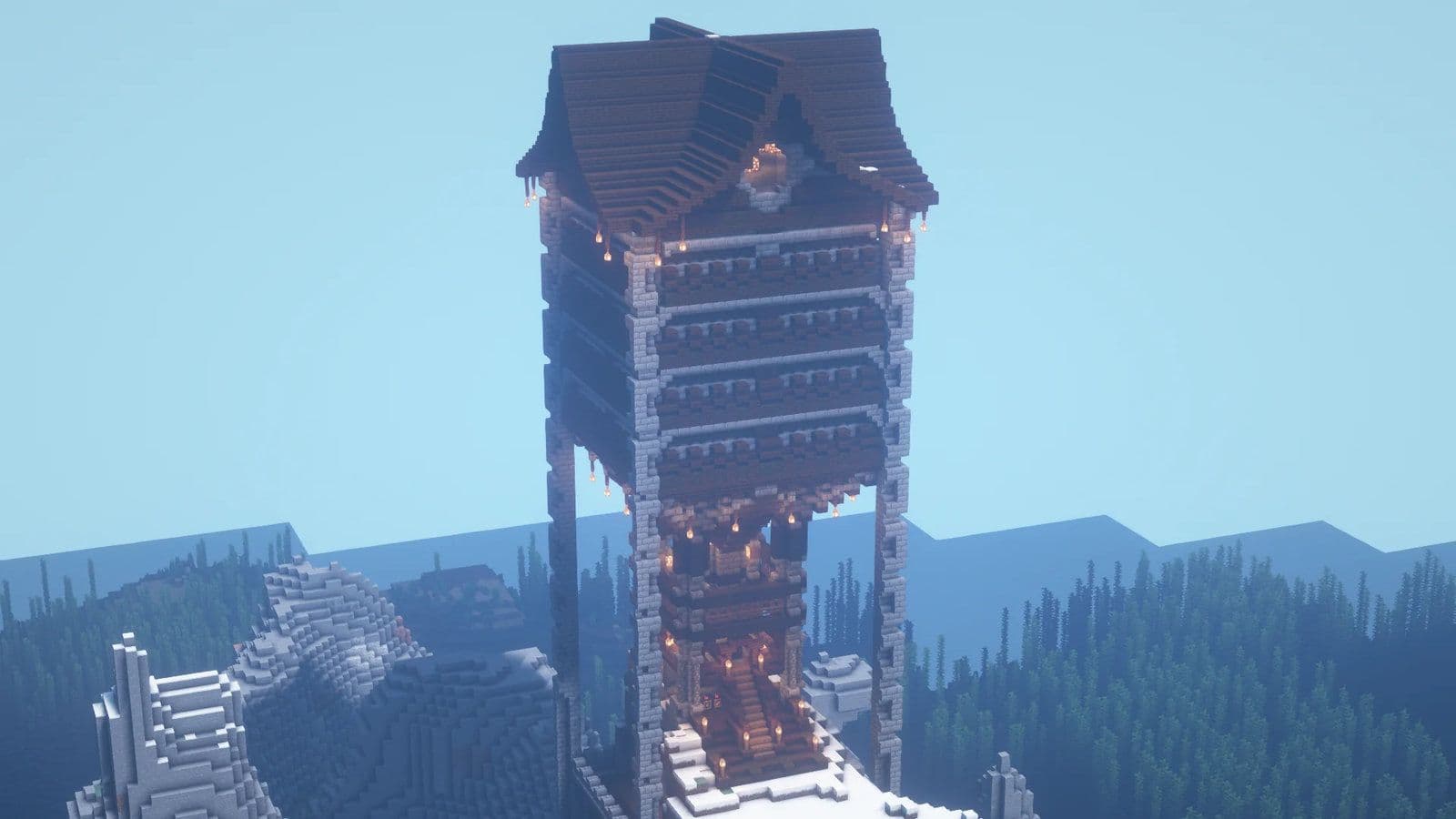
A Minecraft mob farm is your key to farming resources like gunpowder, bones, and XP without lifting a finger. In this Minecraft mob guide, we'll show you how to build one, explain how mobs spawn, and share tips for making your farm work like a charm.
Everything you need to know about mob farms in Minecraft
A mob farm in Minecraft is a structure designed to efficiently spawn, gather, and kill mobs to collect their drops. These farms automate the process of getting valuable resources like gunpowder, bones, string, and XP, reducing the need for manual mob hunting.
How mobs spawn in Minecraft
Before building a mob farm, understanding the mob spawning mechanics is crucial:
- Hostile mobs (e.g., zombies, skeletons, creepers, spiders) spawn in darkness (light level 0 in Java, 7 or less in Bedrock).
- Passive mobs (e.g., cows, pigs, sheep) spawn in well-lit grassy areas.
- Aquatic mobs (e.g., drowned, guardians) spawn in water.
- Nether mobs (e.g., blaze, wither skeletons, ghasts) spawn in the Nether under specific conditions.

Transporting mobs in farms
Once mobs spawn, they need to be moved efficiently.
- Horizontal transport:
- Water streams: Moves mobs towards a hole (8 blocks per stream).
- Minecarts: Can transport mobs without them despawning. Rails are essential for efficient mob transportation, allowing you to move mobs without the risk of them despawning
- Vertical transport:
- Water Elevators (Soul Sand): Pushes mobs upward rapidly.
- Bubble Columns: Uses soul sand for upflow, magma blocks for downflow.
Minecraft mob drops
Also, you should know what you're looking for:
Now, you are ready to start building one!
How to make a mob farm in Minecraft
To create a mob farm in Minecraft, it's important to understand the design elements and mechanics behind it. Here are the steps you need to follow to build a mob farm in Minecraft:
- Choose a location
- Determine the farm design
- Build the spawn area
- Add water to move mobs (if applicable)
- Build a drop zone
- Set up a killing mechanism, like a mob grinder
- Create a collection system
- Add Redstone (Optional)
After everything is set up, stand far enough away from the farm and observe. Mobs should start spawning, fall into the killing zone, and their drops should be collected by the hopper system. Need more details? Keep reading!
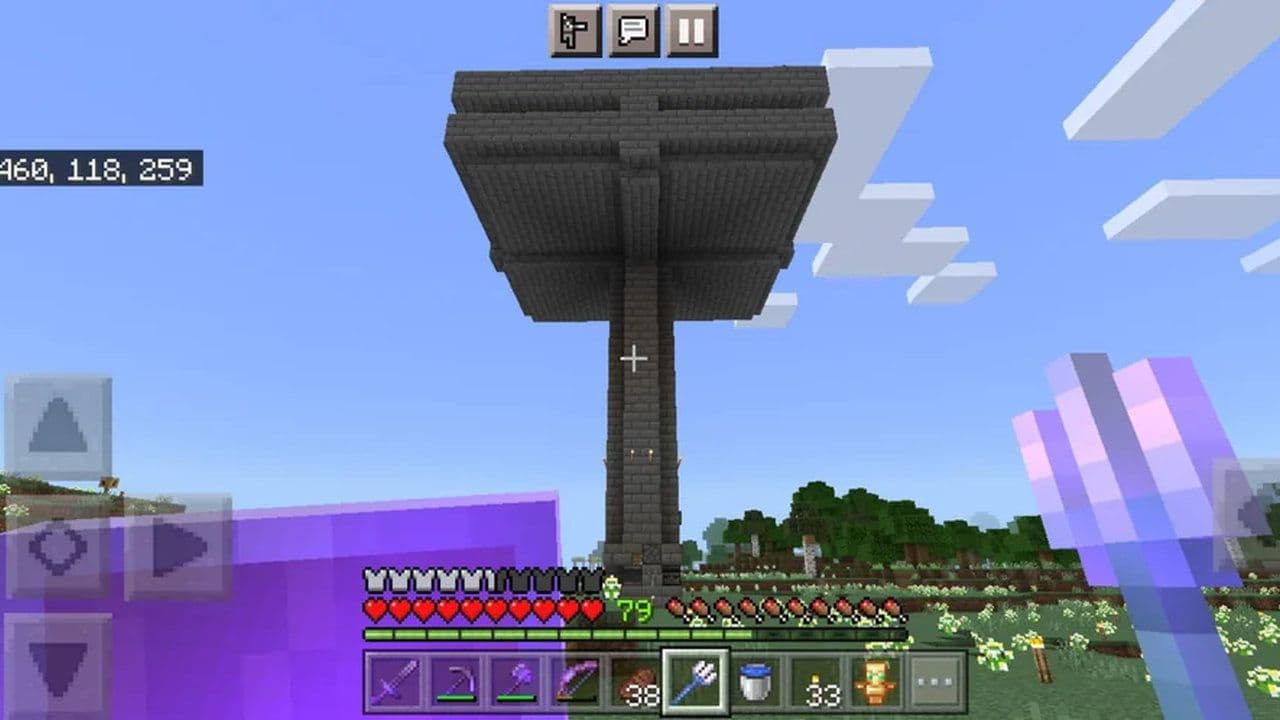
Minecraft mob farm locations
The effectiveness of a mob farm depends largely on its placement. Minecraft's spawning mechanics determine where mobs can appear, making some locations more efficient than others, such as:
Determine the farm design
- Simple design: Start with a spawning tower design or a sinkhole farm if you're a beginner. These are the easiest to set up.
- Advanced designs: If you're more experienced, consider a canal-style farm or a fully automatic large chamber design for high mob production.

Build the spawn area
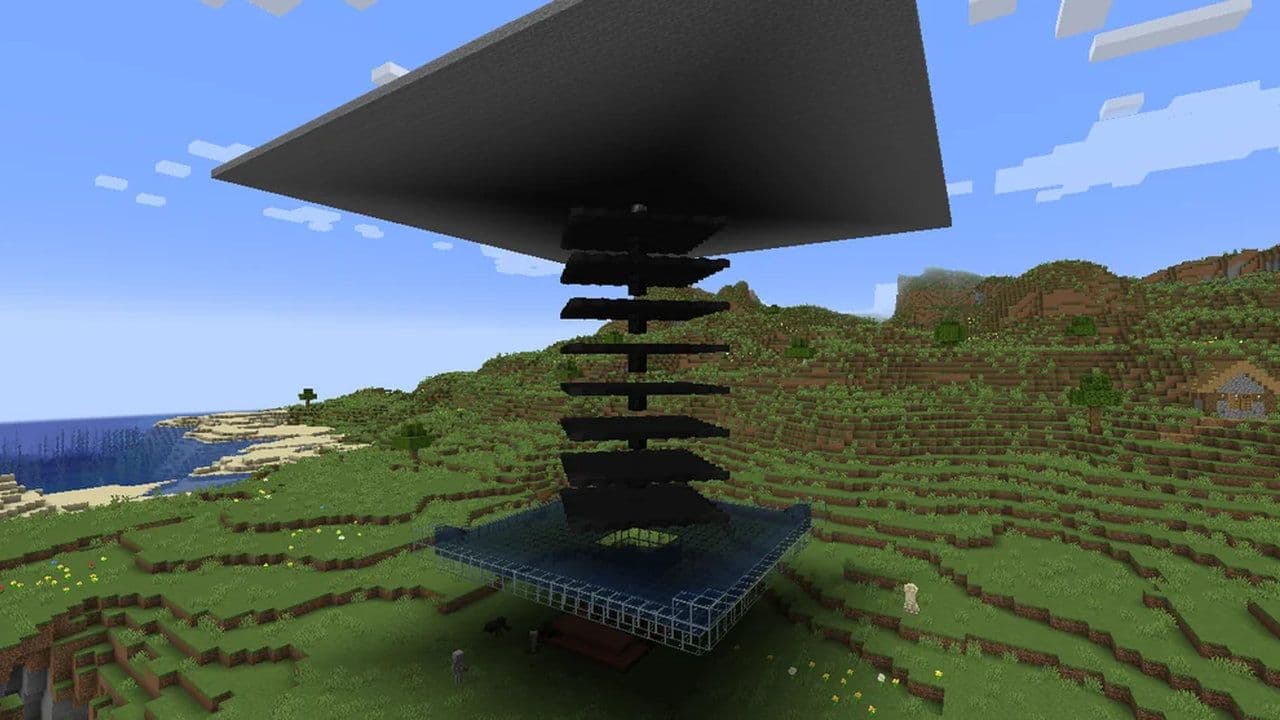
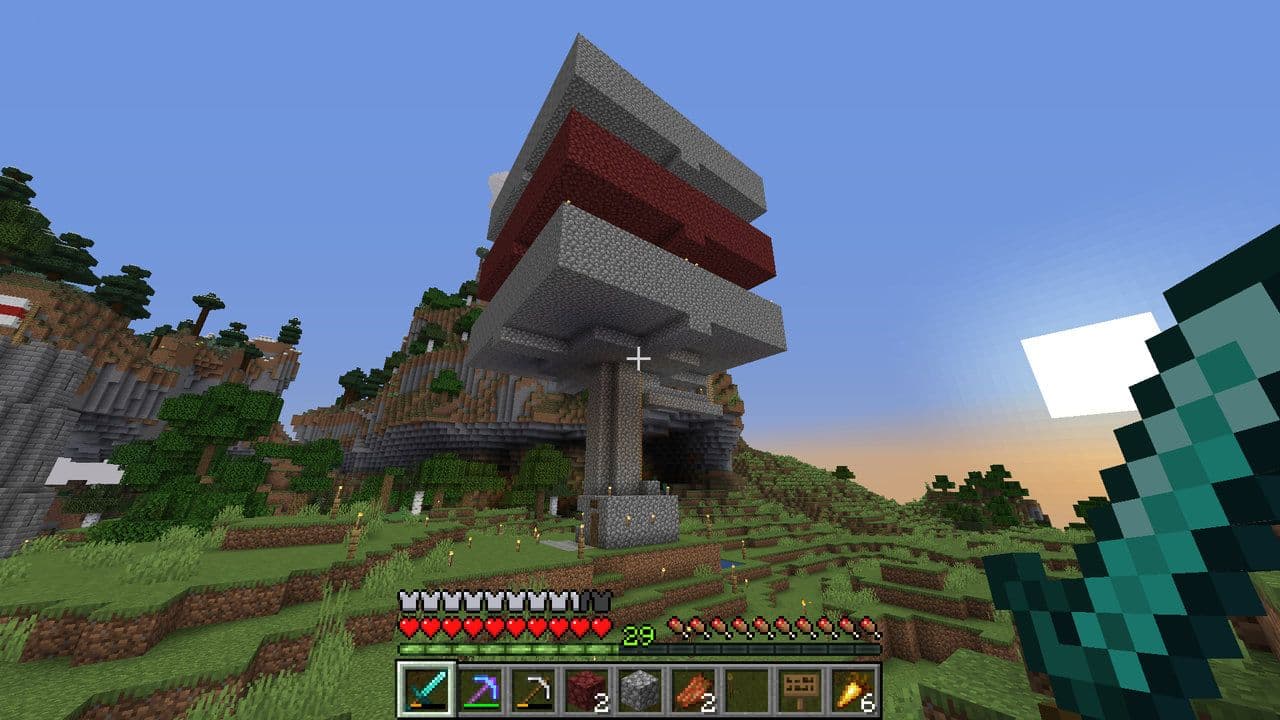
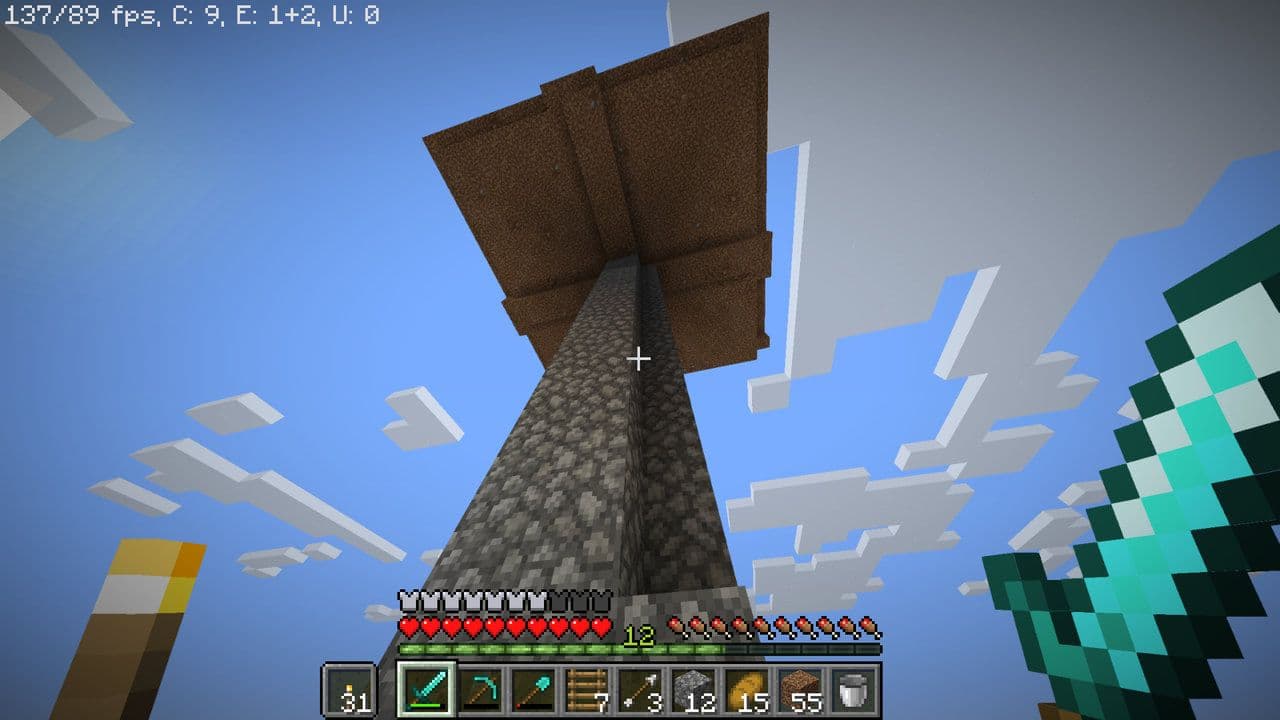
- Spawning tower: Construct multiple horizontal platforms at a height (10-20 blocks or more depending on your design). Leave enough space for mobs to spawn, ideally with 2 blocks of headroom. Ensure the platforms are dark enough for mobs to spawn.
- Sinkhole: Dig a large hole in the ground (usually around 2x2 or 3x3) and line the edges with open trapdoors to trick mobs into falling in.
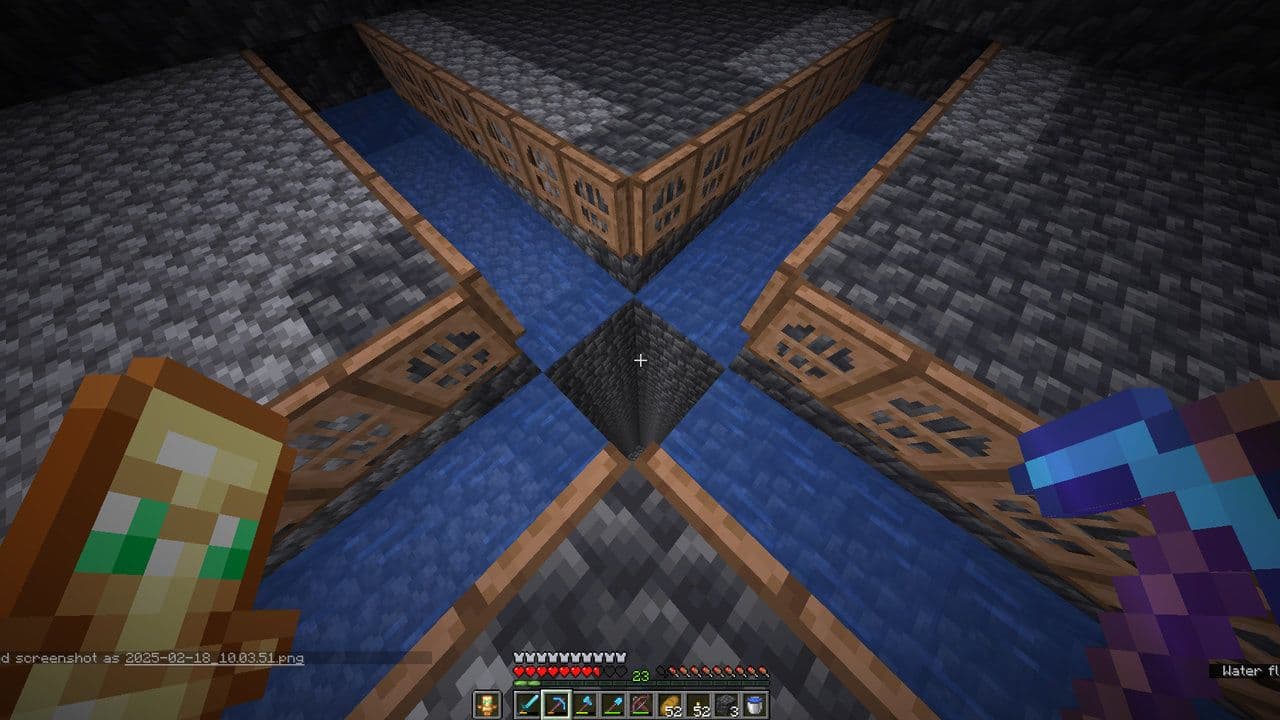
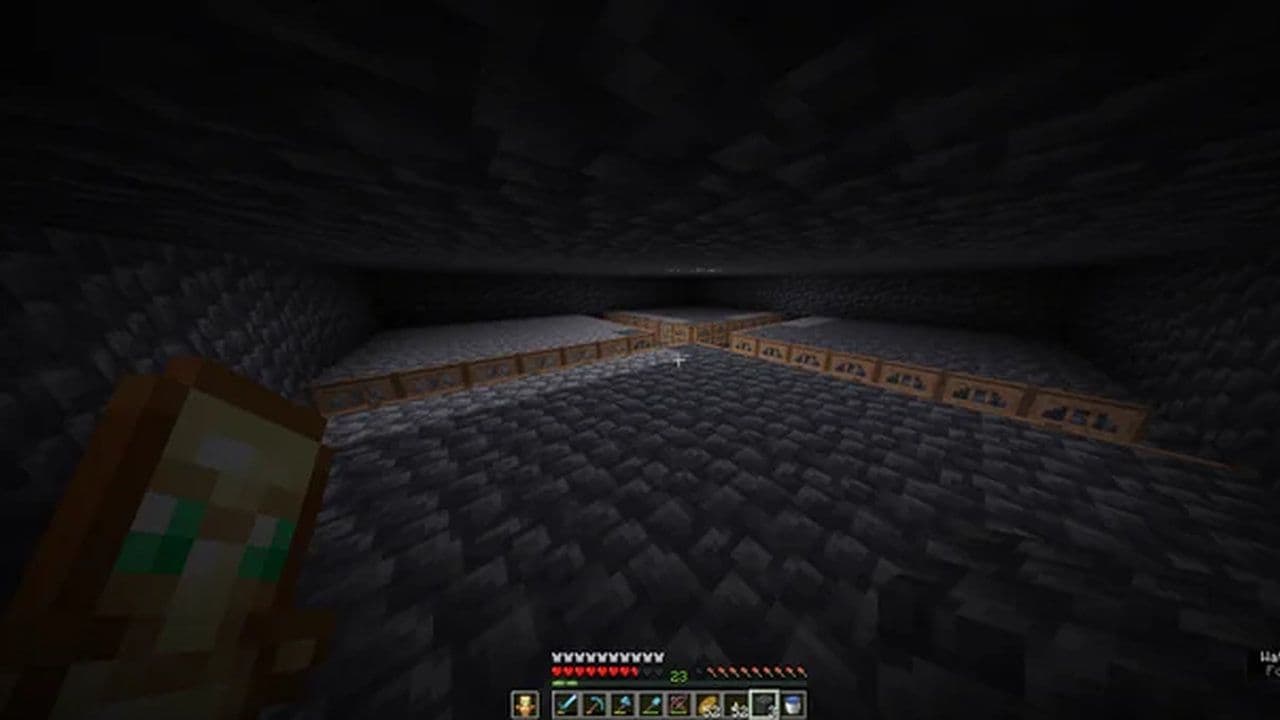
- Canal-style farm: Build a large, dark room, then create channels of flowing water that will push mobs toward a central drop zone.
Add water to move mobs (if applicable)
- Spawning tower: Use dispensers at the top of each layer to release water. This water should flow over the spawning platforms, pushing mobs toward the center hole where they will fall.
- Canal-style farm: In this design, create water channels around the spawning area to push mobs toward a central hole or grinder. You’ll need to make sure the water doesn’t get stuck, so plan accordingly.
- Sinkhole farm: Water isn’t needed for the sinkhole design, but you can use it in a more advanced setup to help push mobs toward the holes.
Build a drop zone
- Spawning tower: The mobs should fall into a pit below. Ensure the fall height is sufficient to deal enough damage for mobs to die from the fall. Typically, a fall of 20+ blocks is enough for most mobs.
- Canal and sinkhole designs: Make sure the mobs fall into a designated killing zone. This can be a pit, lava trap, or grinder, depending on the type of mob farm you're making.
Set up a killing mechanism
- Fall Damage (Spawning Tower): The mobs will die from fall damage if they drop enough. Collect their items by placing hoppers at the bottom, connected to chests.
- Grinders: Use pistons, magma blocks, or other grinders that activate when mobs fall into the trap. You can also use a trident killer, which is an efficient and automatic way to kill mobs.
- Lava Traps: Lava is another good way to kill mobs. Place lava in the drop zone or on top of a trap, making sure it doesn’t spread and kill items.

Create a collection system
Place hoppers at the bottom of the farm to collect the drops. These should be connected to chests or trapped chests for easy collection. You can also use minecarts with hoppers if the drops are spread out.
Add Redstone (Optional)
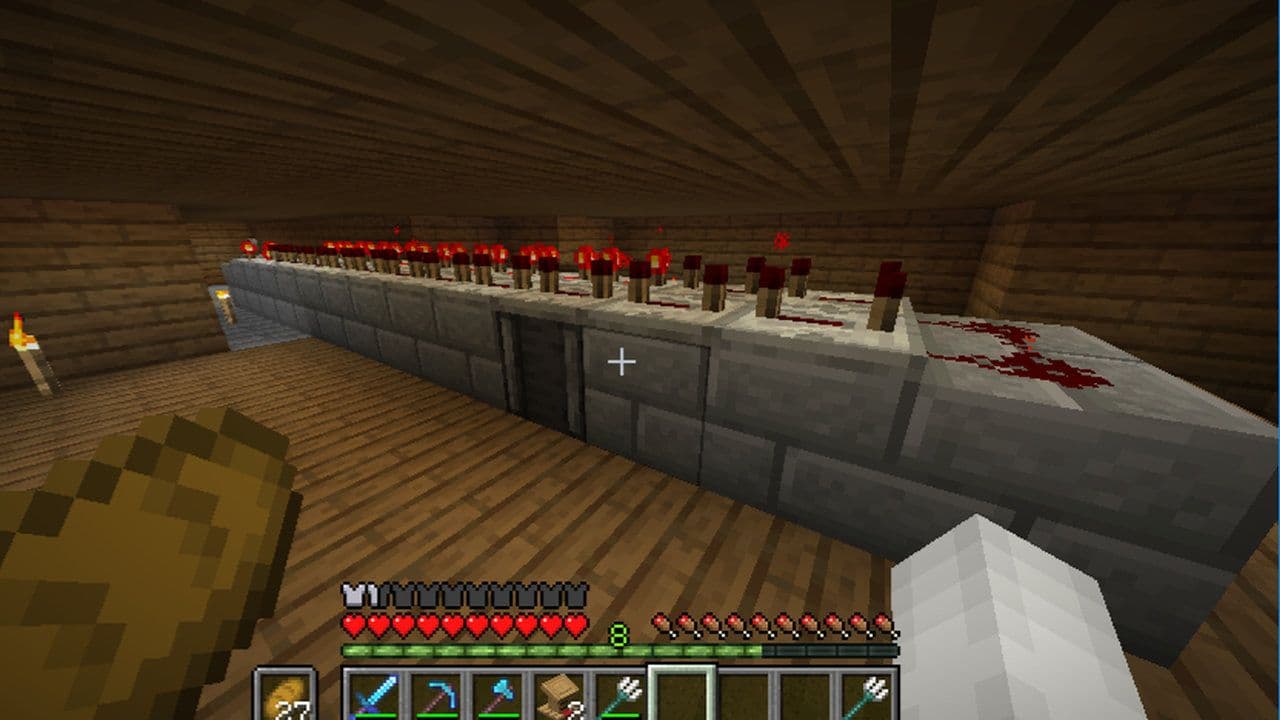
- Observer blocks and dispensers: In a spawning tower design, use observer blocks and dispensers with water buckets to automate the process of flooding the spawning platforms with water. This will push mobs into the drop zone.
- Clock circuit: Set up a redstone clock to trigger the dispensers periodically, flooding the spawn platforms and ensuring mobs fall into the pit.
How to make a mob farm in Minecraft Bedrock
In Minecraft Bedrock Edition, mob spawning mechanics differ slightly from the Java Edition, but the fundamental design principles remain consistent.
Ensure that your spawning platforms are built within the appropriate height range (commonly between Y-levels 128 and 256) to maximize efficiency. Additionally, Bedrock Edition allows for more flexible use of water mechanics, which can be utilized to transport mobs effectively.
How to make a mob farm in Minecraft survival
Building a mob farm in Survival Mode requires a thoughtful approach, beginning with gathering essential materials like cobblestone, trapdoors, water buckets, chests, and hoppers. It's important to ensure safety by equipping yourself with armor and weapons, as hostile mobs may spawn and pose a threat while you work.
To construct the farm, scaffolding blocks are invaluable, providing a safe way to reach higher areas without risking dangerous falls. With these preparations, you can build a functional and efficient mob farm, ensuring the collection of mob drops while minimizing risk during the building process.
Easy Minecraft mob farm you can build in minutes
The easiest mob farm you can build is a simple "Sinkhole Farm". Here's how to make it:
- Dig a hole: Dig a 2x2 or 3x3 hole, about 3-5 blocks deep, in a flat area.
- Add trapdoors: Place trapdoors around the edges of the hole to trick mobs into thinking the floor is solid and cause them to fall in.
- Build a roof: Cover the area with a roof to block sunlight and create darkness, which encourages hostile mobs to spawn.
- Optional – Add water: If you want to move mobs more efficiently, you can add water flowing toward the hole to push mobs into it.
- Killing method: Mobs that fall into the hole will either take fall damage and die or you can set up a grinder or lava to kill them automatically.
- Item collection: Place hoppers at the bottom of the hole to collect drops and connect them to chests.
Is your Minecraft mob farm not working?
If your mob farm isn't working as expected, consider the following troubleshooting steps:
- Light Levels: Ensure that the spawning platforms are dark enough (light level 0) for mobs to spawn.
- Spawn Proofing: Light up caves and surrounding areas within a 128-block radius to prevent mobs from spawning outside the farm.
- Distance: Position yourself at an optimal distance (typically 24 to 32 blocks) from the spawning platforms to activate mob spawning.
The game has a mob cap, which limits the number of mobs that can exist at one time. A well-designed farm optimizes spawn rates by preventing spawns outside the farm (e.g., by lighting up caves)
Minecraft mob farms inspirations
Here are some of the most popular ways to build a Minecraft mob farm:
Minecraft mob spawner farm (XP farm)
Find a dungeon with a zombie or skeleton spawner, then clear and expand the area around it. Use water currents to move spawned mobs to a central killing zone. Set up a safe space to kill the mobs, allowing you to collect both XP and loot.
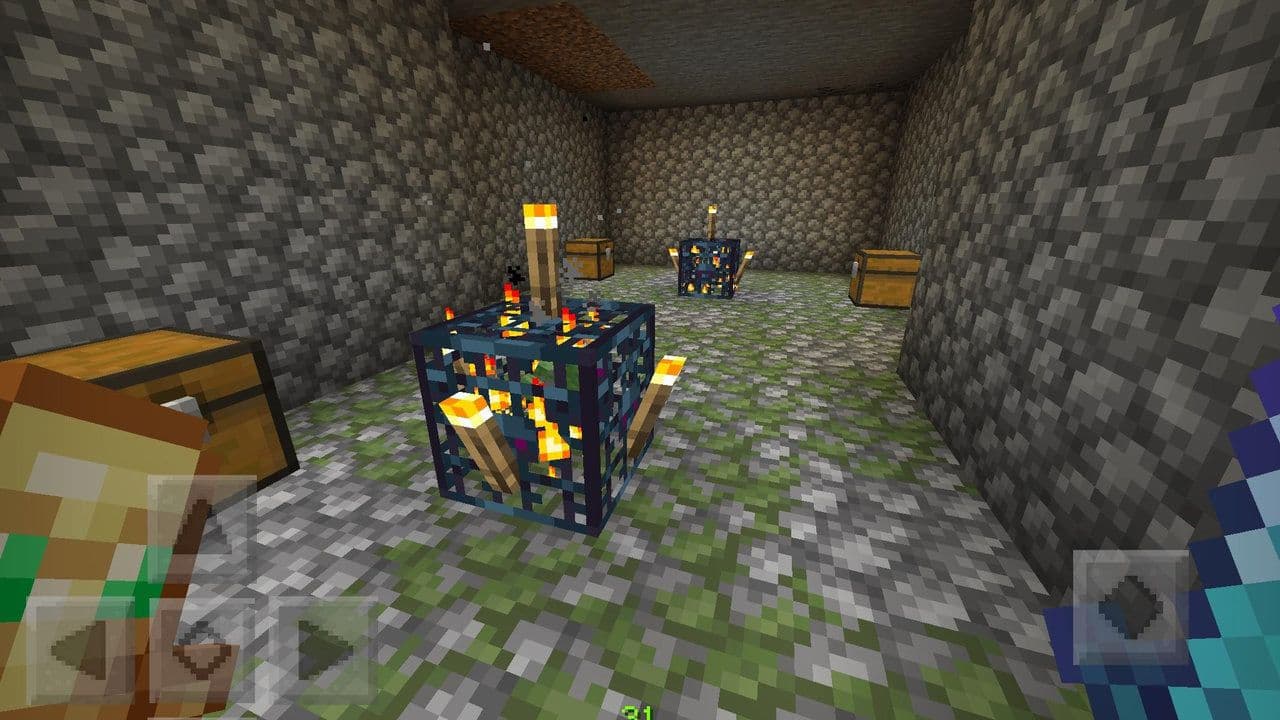
Mob spawner finder
Discovering mob spawners can significantly increase your resource collection and XP farming. Here are methods to locate them:
- Dungeon Finder Tools: Utilize online applications like Chunk Base's Dungeon Finder to identify potential dungeon locations in your world. By inputting your world seed and version, the tool highlights chunks that may contain dungeons with mob spawners.
- Exploration: Naturally generate structures such as dungeons, mineshafts, and bastions often house mob spawners. Exploring caves and abandoned mineshafts increases the likelihood of encountering these spawners.
Minecraft spider proof mob farm: How to stop spiders from spawning in mob farm
To prevent spiders from spawning in your Minecraft mob farm:
- Platform size: Keep spawning platforms narrower than 3x3 blocks, as spiders require a 3x3 area to spawn.
- Obstructions: Place slabs or buttons on platforms to create spaces too small for spiders to spawn.
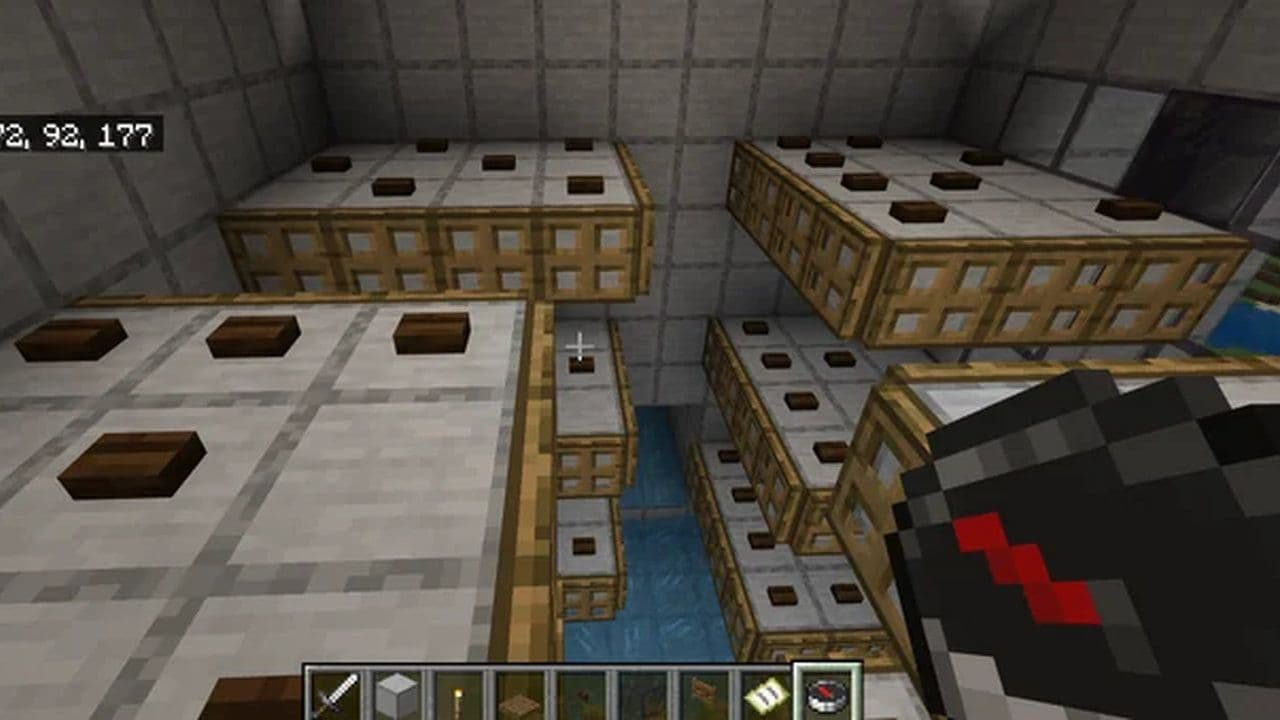
Simple water mob farm Minecraft
Build elevated spawning platforms where mobs appear. Use water channels to push them into a central collection area where they fall or are weakened for easy killing. Place a drop shaft to handle mob collection.
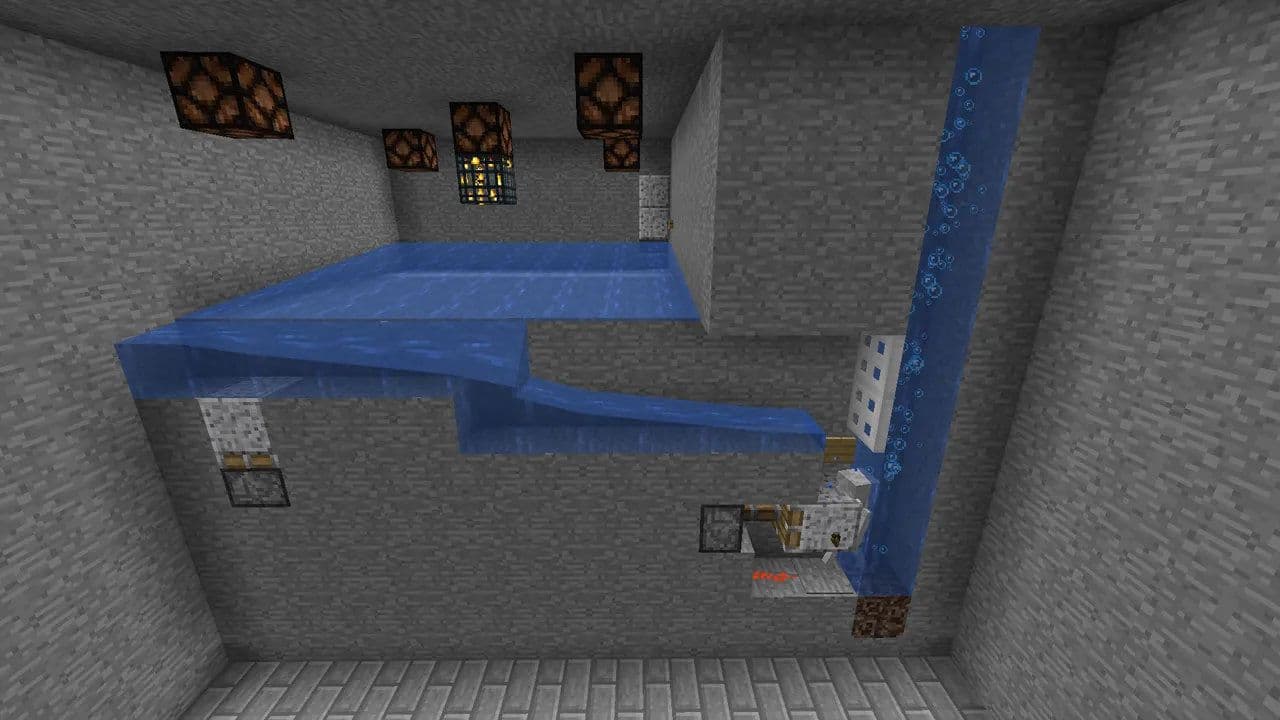
Minecraft simple mob farm
For simple designs, create a tower with multiple floors and water channels to direct mobs to a drop shaft. Alternatively, build a canal system with horizontal spawning platforms and water flowing toward a collection point.
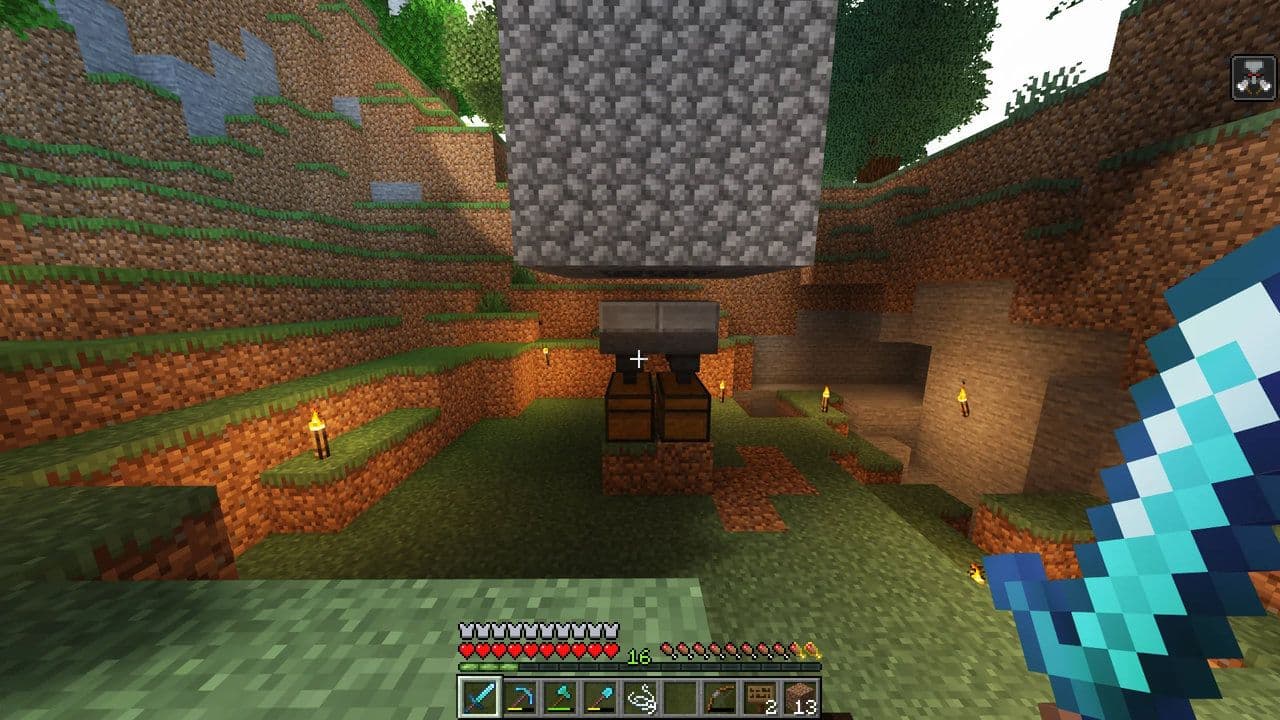
Creeper farm
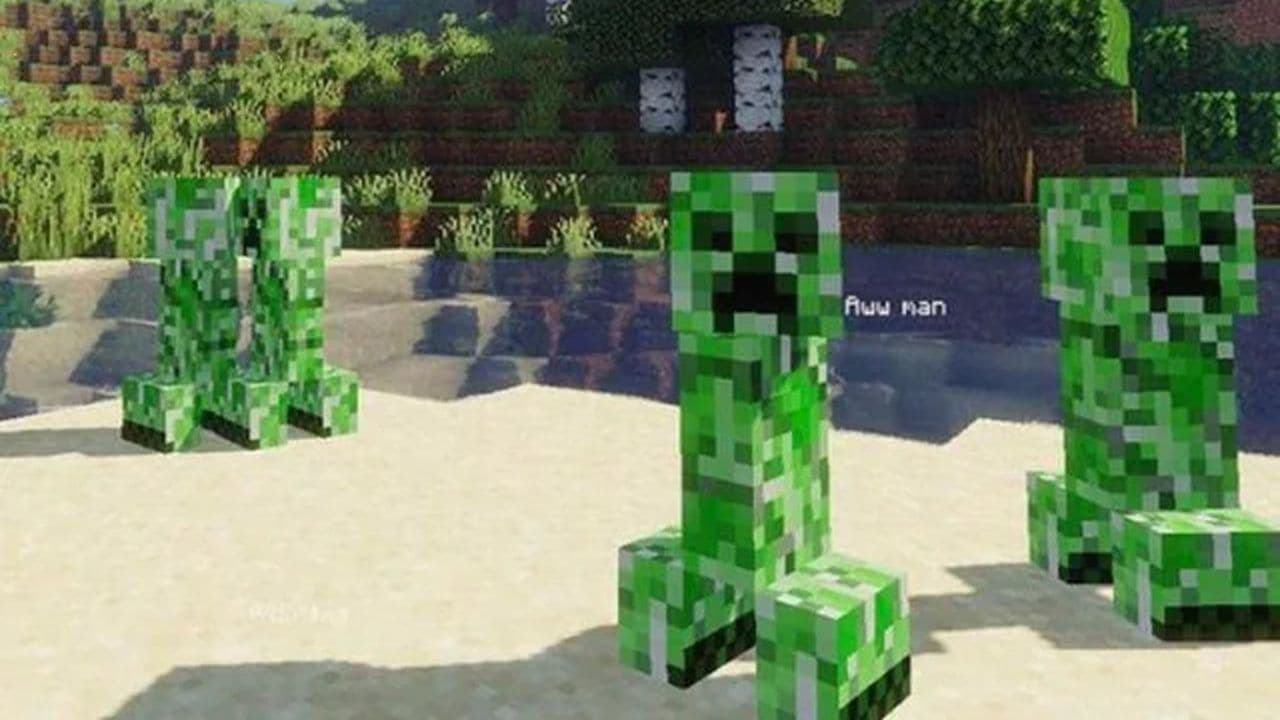
Set the spawning platform’s ceiling to 1.5 blocks high to limit spawns to creepers. Use trapdoors to ensure only creepers spawn, and place cats to scare them into water channels leading to the collection area.
3 Minecraft mob farm tips for maximum efficiency
- Light up nearby caves:
- Explore and locate nearby caves that could be within the spawn radius of your mob farm.
- Place torches or other light sources inside these caves to prevent mobs from spawning there, which will increase the spawning rates in your farm.
- Use spawn-proofing methods:
- On the floors and platforms of your farm, use slabs, buttons, or other spawn-proofing blocks to prevent unwanted mobs (such as spiders or other creatures) from spawning outside your intended spawn area.
- Place buttons or slabs on areas where you don't want mobs to spawn to control the spawns and focus them in your farm.
- Limit hopper usage:
- Hoppers can cause lag in the game if overused, especially in large farms with many collection points.
- Limit the number of hoppers you use to collect drops and items. Consider using larger collection areas with fewer hoppers or alternative methods (like minecart systems) to improve farm efficiency and reduce lag
Best ways to get XP in Minecraft
In Minecraft, there are several ways to gather XP, which is essential for enchanting and repairing items. One of the simplest ways is by mining ores like coal, diamond, or nether quartz, which give you a small amount of XP each time you mine them. This method is great for players exploring the world and gathering resources.
Another popular way to earn XP is by farming mobs. Hostile mobs such as zombies, skeletons, and spiders drop XP when killed. Building a mob farm can help you collect XP automatically without much effort, making it a reliable and consistent source over time.
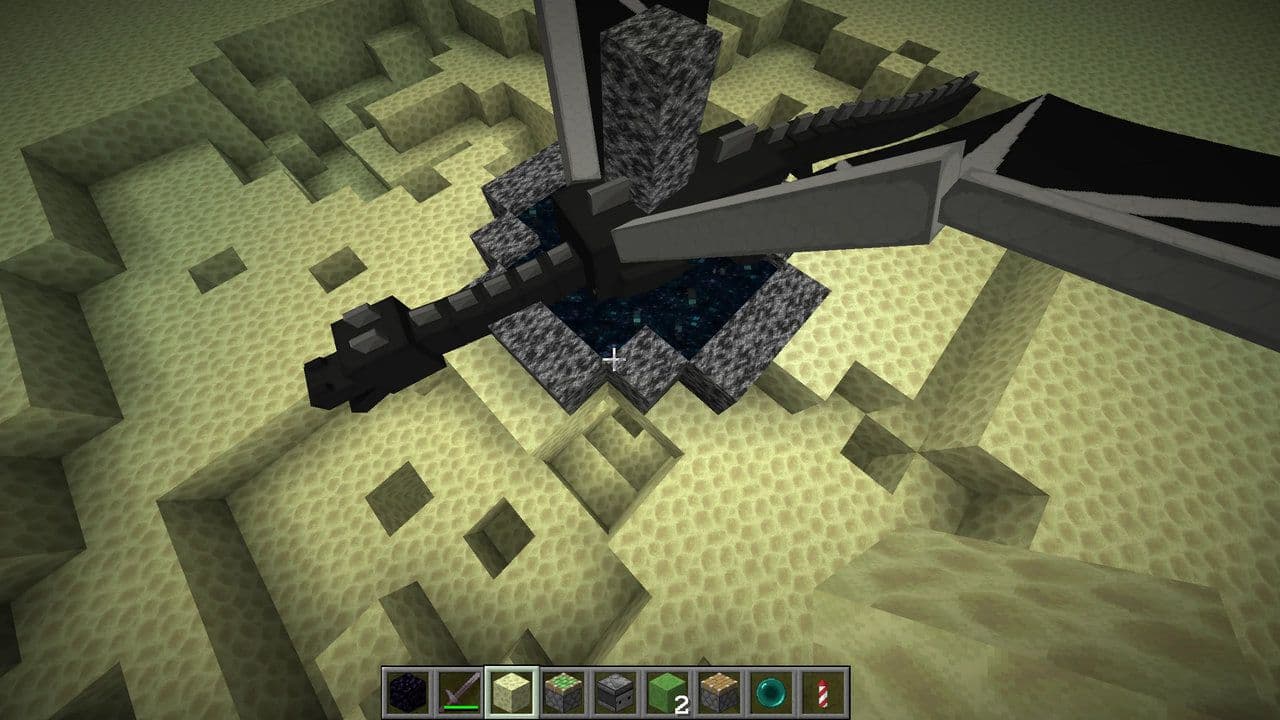
For a large XP boost, you can defeat the Ender Dragon. Killing the dragon gives you a huge amount of XP, making it one of the best ways to level up in the game. This is especially useful if you're looking to quickly gain high levels for enchanting or other purposes.
Looking for more Minecraft guides? Check out these:
- Minecraft beacon guide: How to make a beacon in Minecraft
- Best Minecraft sword enchantments
- Minecraft piston recipe (+sticky piston) explained
- Minecraft’s best bow enchantments
- Minecraft mace recipe: Is it the best weapon in Minecraft?