Roblox Vortex guide: Tornadoes, vehicles, codes & more
Your first Vortex chase starts here
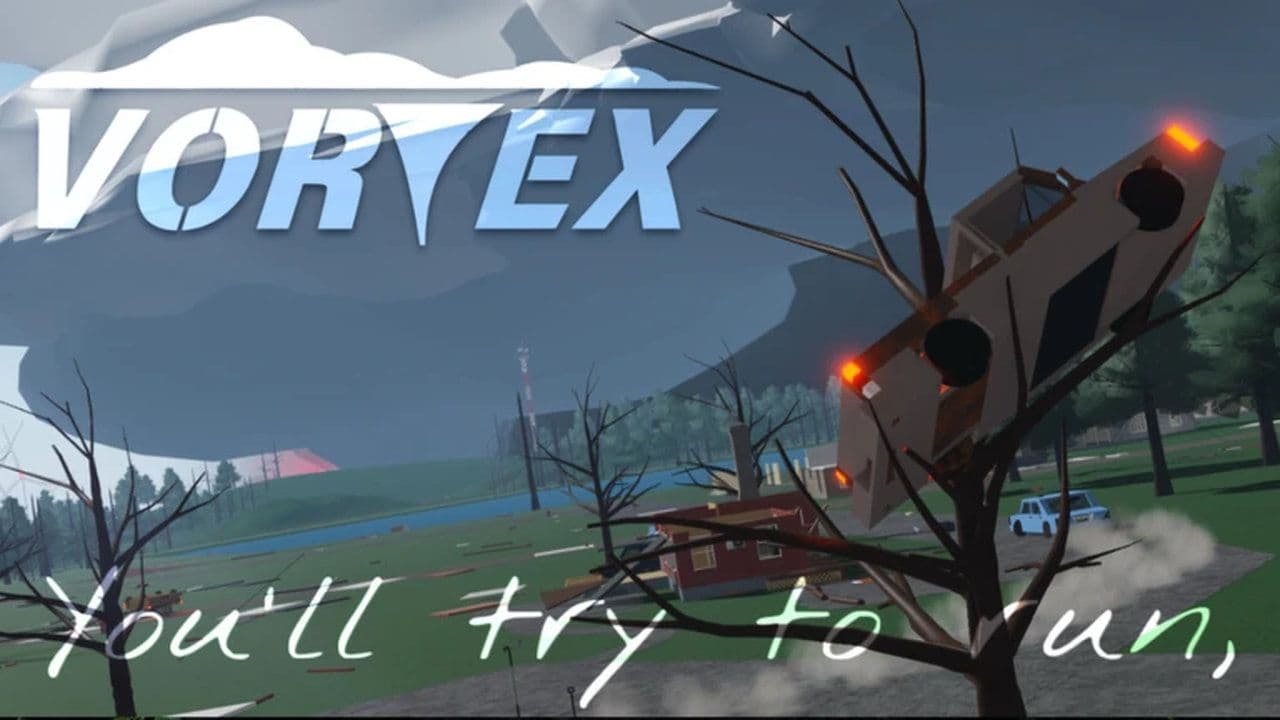
Vortex is a Roblox storm-chasing experience in which players pursue supercells and tornadoes across a severe-weather map. Developed by Vortex Developer Team, the game combines driving, radar interpretation, storm positioning, survival, environmental destruction, and a darker atmosphere inspired by storm chasing in the American South.
This Roblox Vortex guide explains how the game works, how to begin a chase, how to position around a tornado, what to consider when choosing a vehicle, whether Vortex has codes, and where to find future updates. Vortex is still in beta, so menus, vehicles, weather systems, and progression can change between versions.
What is the Roblox Vortex game about?
Vortex is a work-in-progress storm-chasing game rather than a traditional tycoon or simulator. Its official description emphasizes the human impact of severe weather as well as the spectacle of tornadoes. The current experience uses a Dixie Alley-style setting, where trees, hills, poor visibility, and rain-wrapped storms can make a chase more difficult than one across open plains.
The experience includes tornado, cyclone, supercell, radar, EF5, Dominator, TIV2, and Doppler on Wheels references in its official tags.
How to play Vortex
- Launch: Search Vortex on Roblox and click the Play button.
- Spawn Ride: Open the Vehicle Menu and select Spawn on your starter truck.
- Track Storm: Follow the mini-map radar toward the purple/red storm cells.
- Deploy Gear: Drive near the tornado's path and drop your Probe/Sensor from your hotbar.
- Anchor Down: Get back in your vehicle and press X (or the on-screen prompt) to lock your truck to the ground.
- Cash Out: Collect data as the storm passes, then use the Shop to upgrade your armor and gear.
How to read the radar in Vortex
Radar is a planning tool, not an autopilot. Start by finding the storm cell and watching how its returns move between updates. A concentrated area of intense precipitation can hide the circulation, while a curved or hook-like structure may indicate organized rotation. The exact colors and overlays depend on the current Vortex interface.
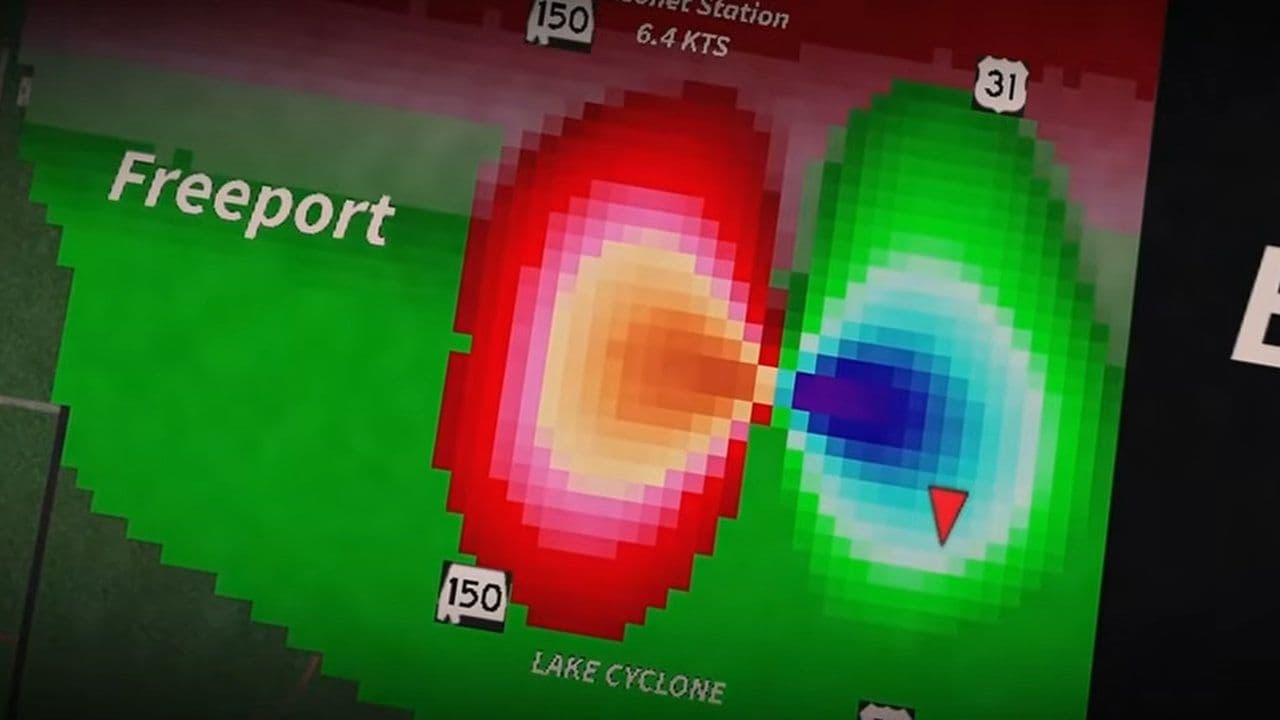
Place your vehicle on a road that gives you options on more than one side of the storm. Avoid driving blindly through the heaviest precipitation to reach a marker. This tactic, known among storm chasers as core punching, can put you in hail, low visibility, debris, or a rain-wrapped tornado.
Radar data can lag behind what is happening in front of you. If the visible tornado has changed direction, trust the live movement and reposition. The best intercept is one you can abandon safely.
How to find and intercept tornadoes
First, locate a mature storm rather than driving randomly across the map. Approach from a side that keeps the circulation visible and leaves a road behind you. Watch the tornado for several moments to judge direction and speed, then choose a point ahead of its path rather than following its damage trail.
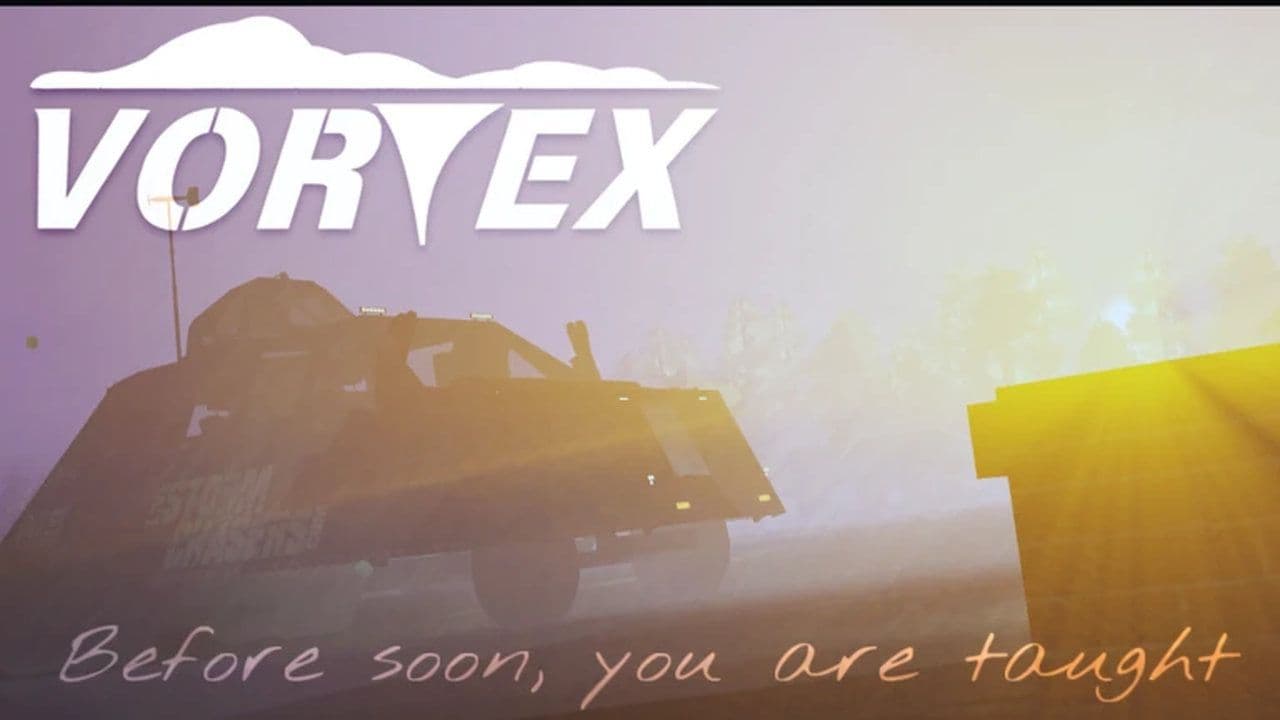
Stop far enough away to make a second decision. If the tornado continues toward your position and your vehicle is designed to intercept, move into the final position and deploy any supported systems before the strongest winds arrive. If it turns, accelerates, becomes hidden by rain, or blocks your exit, leave immediately.
Night chases and forested areas are harder because visual cues disappear. Use headlights, lower graphics only as much as necessary, and maintain extra distance. A failed intercept costs less time than losing the vehicle or the entire chase.
Vortex vehicles explained
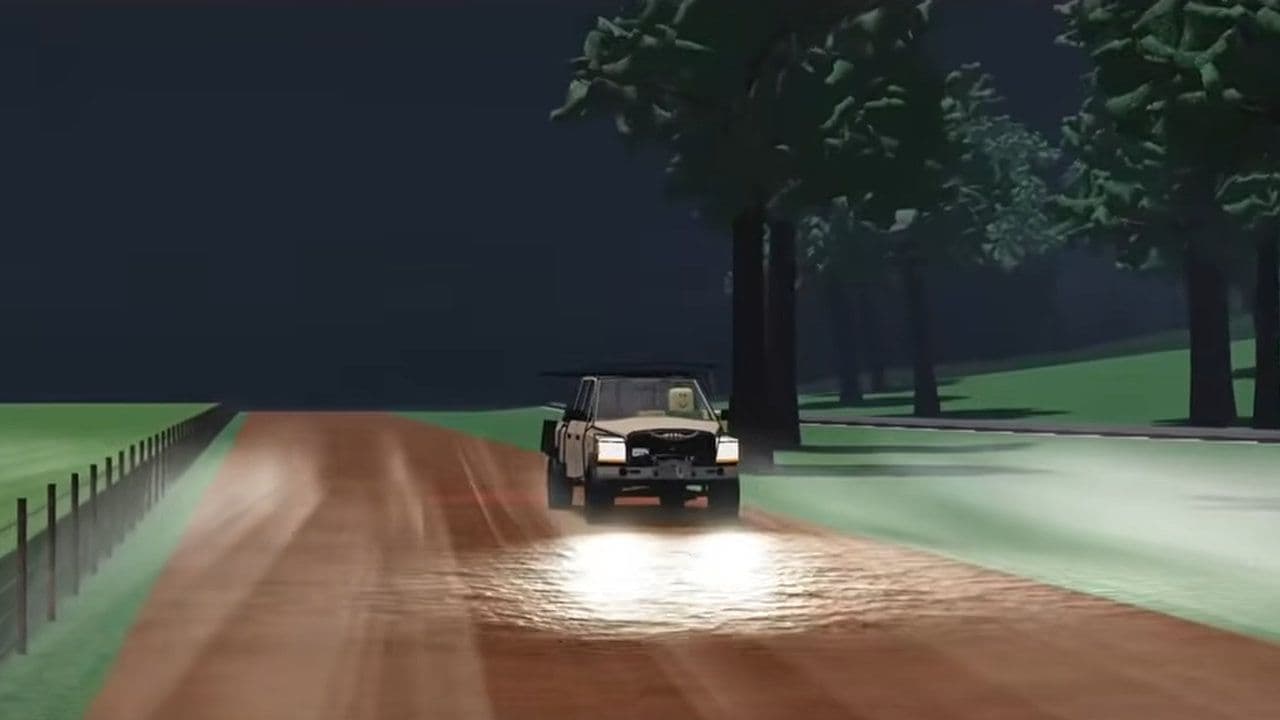
Vortex’s vehicle references fall into three practical roles: scouting, support or research, and direct interception. The exact shop inventory and prices can change, so choose by function rather than by appearance alone.
What is the best vehicle in Vortex?
There is no universal best vehicle. A fast scout is best for map knowledge and long repositioning; a radar vehicle is best for team support; and an interceptor is best for close encounters. The right first purchase is normally a reliable vehicle you can replace or recover from losing, not the most expensive option in the shop.
How to make money in Vortex
Vortex’s progression and payouts can change during beta, and the official Roblox page does not currently publish a complete economy guide. In general, focus on the objectives shown in the active build: successful chases, observations, research actions, intercepts, or other tasks listed by the game. Do not rely on payout methods from Twisted or another storm-chasing experience; those are separate games with different systems.
For efficient progression, survive the chase, avoid unnecessary vehicle losses, and complete repeatable objectives rather than attempting the closest possible intercept every time. Save toward a vehicle that improves your current limitation—speed, stability, radar access, or wind resistance—instead of purchasing every intermediate option.
Roblox Vortex codes
There are no verified active Vortex codes at the time of writing, and the public game page does not confirm a working code-redemption system. Codes listed for Twisted, such as its cash rewards, do not work in Vortex. The two Roblox storm-chasing games are unrelated.
If Vortex adds codes, they will most likely be announced through the official Roblox group, the game’s community server, or update notes.
Vortex performance settings
The developers warn that Vortex may not run well on lower-end devices. Start by lowering shadows, effects, render distance, vegetation, and other weather-intensive options exposed by the game. Reducing Roblox’s general graphics quality can also help stabilize frame rate.
Do not reduce visibility so far that you cannot identify roads, debris, rain curtains, or the tornado. A stable frame rate is important during fast driving, but situational awareness is part of the gameplay. Close background applications and use a wired or stable wireless connection if servers feel delayed.
Roblox Vortex game beginner tips
Learn one section of the map before attempting long chases. Watch a tornado’s direction before moving close. Stay out of the precipitation core when you do not know what is hidden inside it. Keep an escape road behind you, and turn the vehicle toward that exit before the tornado arrives.
Do not crowd another player’s intercept position or block the road. Leave space for everyone to escape. When playing with friends, divide responsibilities: one player drives, another watches radar and navigation, and another tracks the tornado visually.
Finally, separate excitement from progress. The most dramatic route is often the least efficient one. Consistent observations and safe positioning build the map knowledge needed for successful close intercepts later.
All Related Guides
 How to connect Claude to Roblox StudioConnect Claude to Roblox Studio with the current MCP method and see how Claude can work with your scripts and ...
 How to fight in Gakuran RobloxLearn how to fight in Gakuran Roblox, from basic attacks to blocking, parrying, posture, and fighting styles....
 How to get a free avatar in RobloxFind out how to get a free Roblox avatar without spending Robux, from free character bundles to Marketplace it...
 How to reduce lag in Roblox: Comprehensive guideRoblox feeling slow or choppy? Find out how to reduce lag in Roblox and improve your game with a few simple ch...
 How to check Roblox player countHow many people play Roblox in 2026? Check the latest Roblox player count and learn what the numbers actually ...
 App Themes: How to change a Roblox Background (2026)Here’s how to change your Roblox background and theme, including Roblox Plus themes, Dark Mode, Light Mode, an...
 Roblox Safety Dashboard: How to check account status & ban riskLearn how the Roblox Safety Dashboard works, check your Account Status, review recent violations, and see whet...
 How to get the Blossoming Gift of New Beginnings in Roblox (Mystery box)Learn how to get the Blossoming Gift of New Beginnings in Roblox, including Roblox Plus requirements, eligibil...
- 1
- 2
- 3
- 4
- 5
- 6
- 7
- 8
- 9
- 10
- 11
- 12