
20 things you should know before making a transfer in EA FC 27
Transfer Stages, clauses & negotiations
Reviewed by: Naim Rosinski
EA FC 27 transfers have received one of the biggest Career Mode overhauls in the series, changing how you buy the best players, sell your squad, negotiate contracts, value transfer targets, and compete with AI clubs.
Transfers are no longer designed to be completed through one quick negotiation. FC 27 introduces Transfer Stages, meaning deals develop over time and can be disrupted by rival clubs, changing demands, or last-minute renegotiations.
Player values have also been rebuilt using a model inspired by TransferRoom's Expected Transfer Value system, while new clauses, payment structures, loan-backs, player swaps, and smarter AI transfer logic give you considerably more control over squad building.
Here's how the new EA FC 27 Transfer Market works and what you need to know before starting your next Manager Career.
EA FC 27 transfers now happen in stages
The biggest change is that transfers now happen in stages.
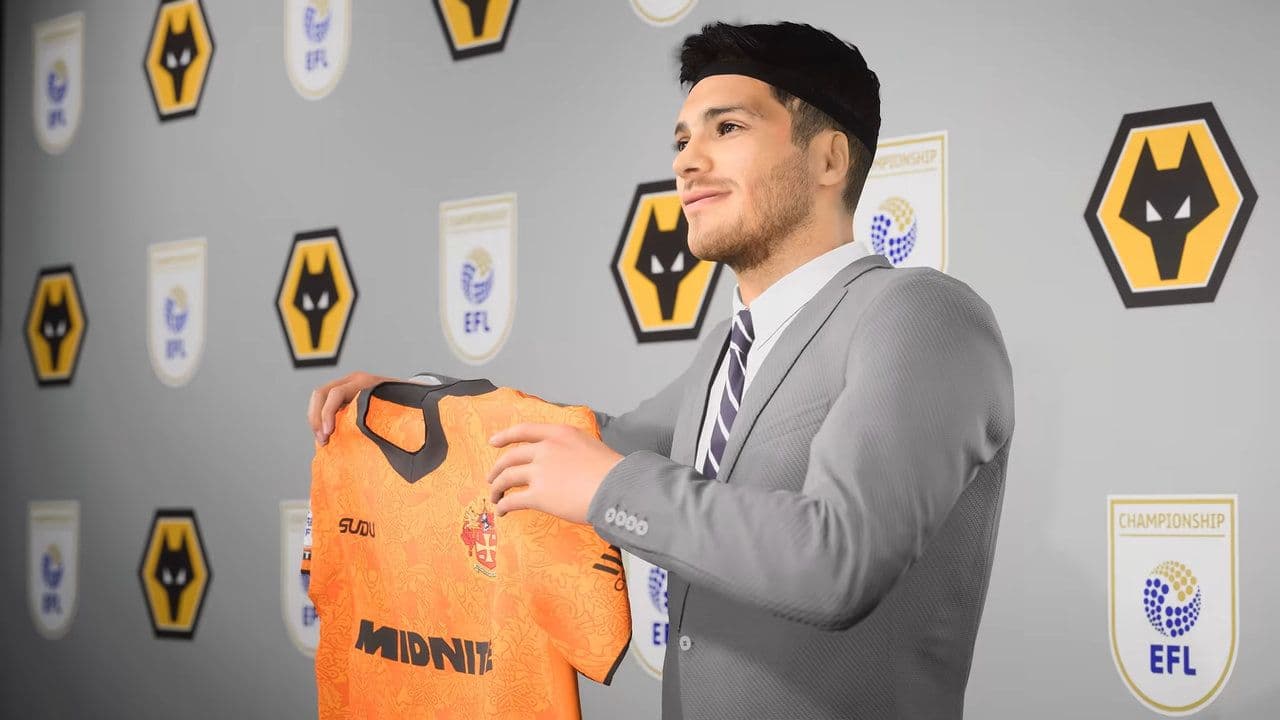
In previous Career Modes, you could often scout a player, negotiate with his club, agree personal terms, and complete the transfer almost immediately.
FC 27 slows that process down.
A transfer begins with an inquiry. Whether you're buying a player, arranging a loan, approaching a Free Agent, or targeting someone approaching the end of his contract, you first need to establish whether the relevant club or player is interested in doing business.
You'll then wait for a response.
If you're given permission to continue, negotiations can begin. Club negotiations and discussions with the player can then develop alongside each other rather than every part of the transfer being resolved in one meeting.
That extra time creates opportunities for other clubs to enter the race or for demands to change before the transfer is officially completed.
What are Transfer Stages in EA FC 27?
Transfer Stages are the new multi-step process used to complete transfers in FC 27 Manager Career.
Instead of every deal being settled in a single conversation, negotiations develop over time.
A typical FC 27 transfer can now involve:
- Identifying and scouting the player.
- Making an inquiry.
- Waiting for a response.
- Opening negotiations.
- Negotiating with the selling club.
- Negotiating with the player and agent.
- Responding to rival interest or changing demands.
- Finalizing the deal.
Not every transfer will follow exactly the same path.
A straightforward signing could progress without much resistance, while a highly wanted player can attract rival bids and force you back into negotiations even after you thought an agreement was essentially complete.
That makes leaving important transfers until Deadline Day considerably riskier.
How player values work in EA FC 27
FC 27 also changes how player transfer values are calculated.
EA worked with TransferRoom to develop a new Career Mode valuation model inspired by its Expected Transfer Value, or xTV, system.
Instead of relying on a largely static value, player valuations can develop across your Career Mode as the football world changes.
Factors such as a player's:
- Ability
- Form
- League strength
- Career progression
- Market situation
can influence his value.
The result is a transfer market where a player's price isn't simply tied to his starting Overall and Potential.
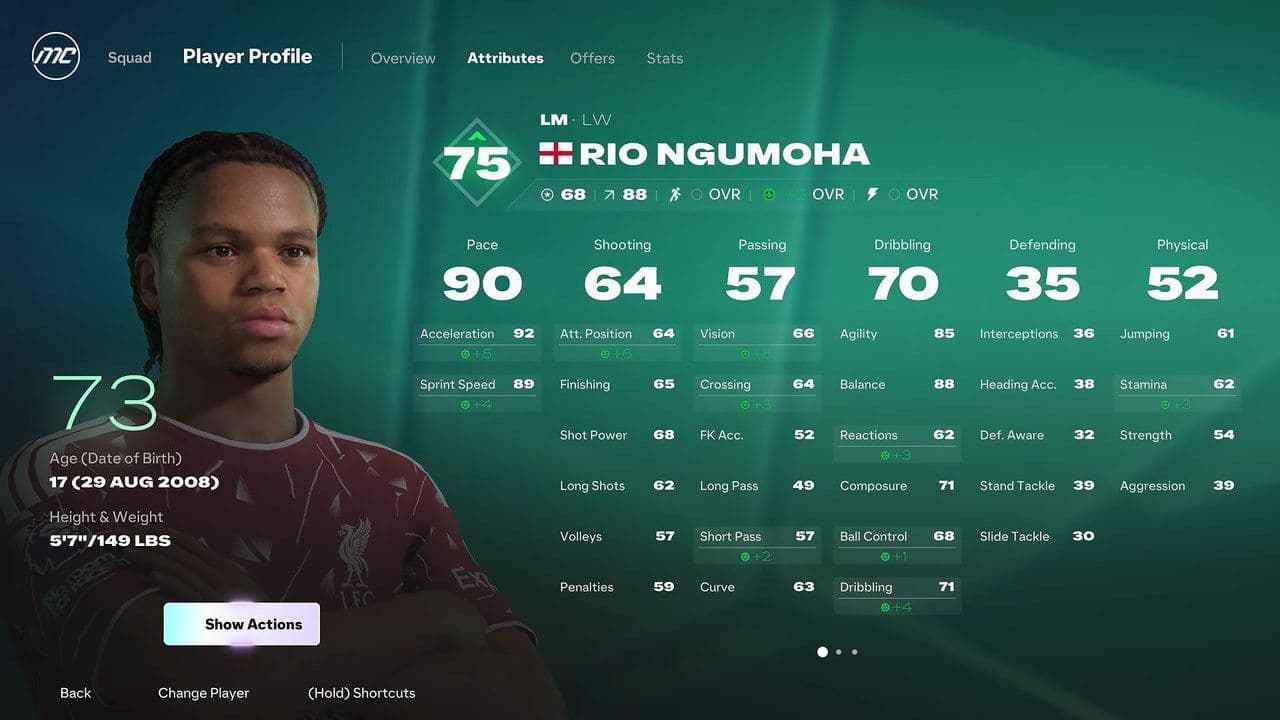
If someone produces an outstanding season, his market position can change accordingly.
That also means the bargains you find at the beginning of a Career Mode won't necessarily remain bargains several seasons later.
The new EA FC 27 Transfer Hub explained
FC 27 splits the Transfer Hub into two clearer areas: Scouting and Transfers.
Scouting is where you identify players, review scout reports, manage your scouting network, and search the database.
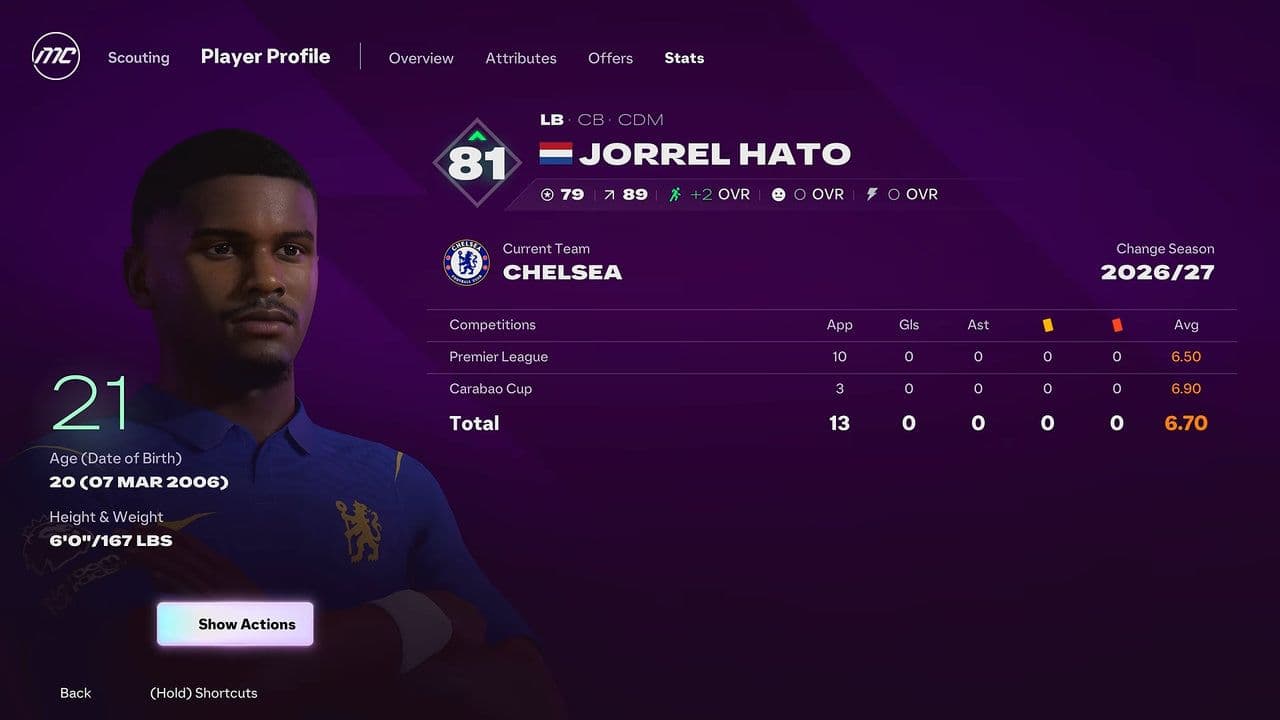
Transfers is where you actually manage the deals.
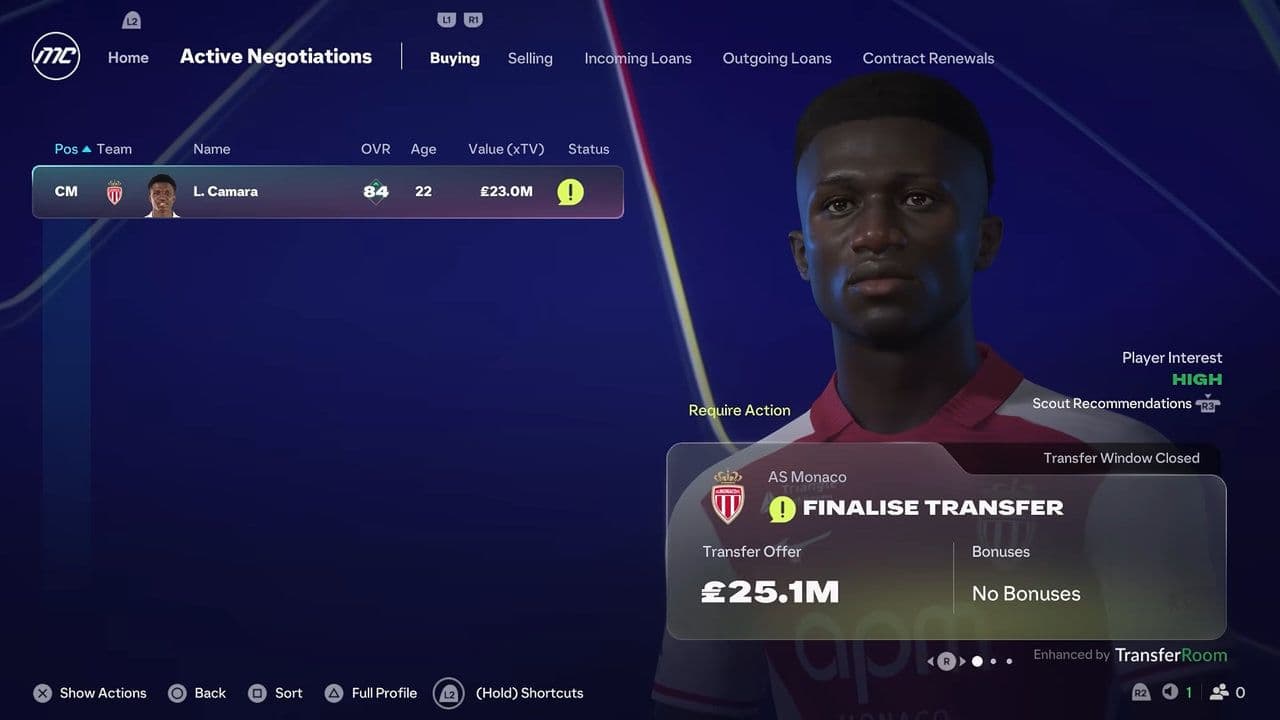
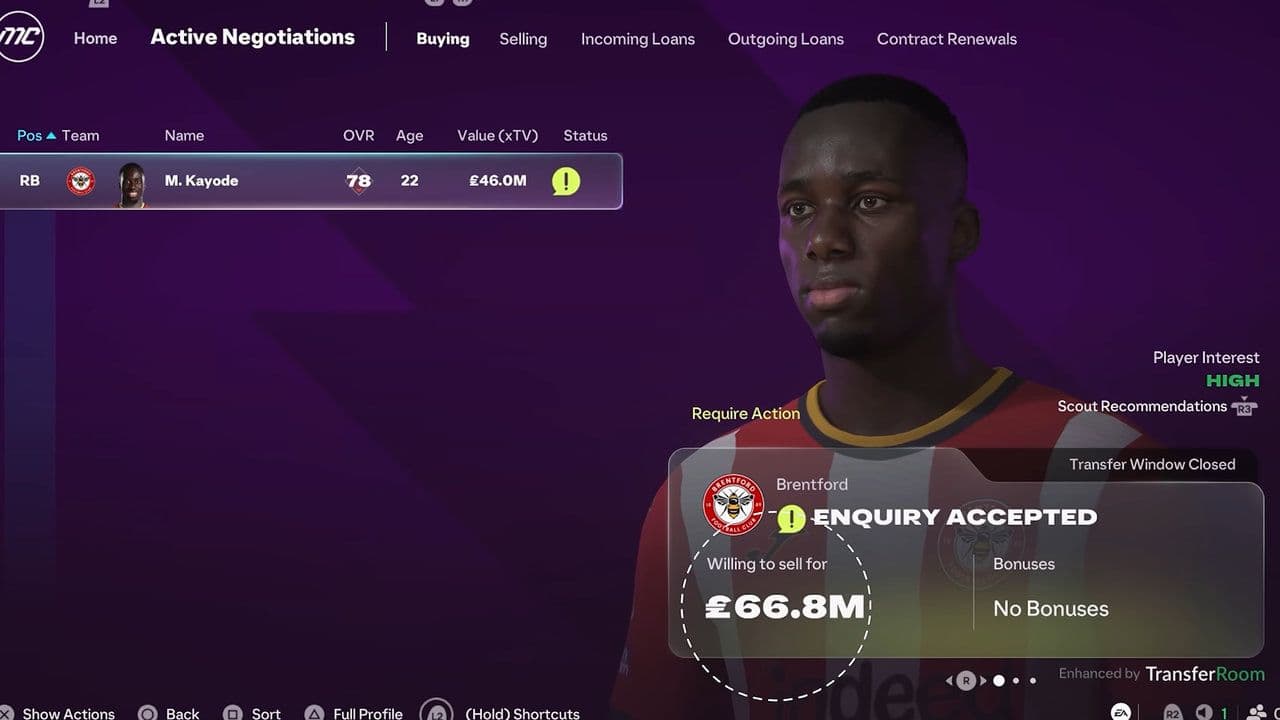
The new Active Negotiations section brings incoming transfers, outgoing transfers, and contract renewals together in one place.
Each deal shows its current stage and what action is required next.
There's also a new Interest indicator, which helps you judge how willing a player is to join your club before committing too much time to a difficult transfer.
New transfer clauses in EA FC 27
FC 27 gives you significantly more ways to structure a transfer.
You're no longer limited to simply agreeing a fee and throwing in a basic sell-on clause.
Deals can use different financial structures and conditions, giving you more ways to make an expensive transfer possible or protect yourself when selling a player.
These include options such as:
- Installments
- Performance-related clauses
- Sell-on conditions
- Buy-back clauses
- Release clauses
- Player swaps
- Loan-back arrangements
- Conditional wage changes
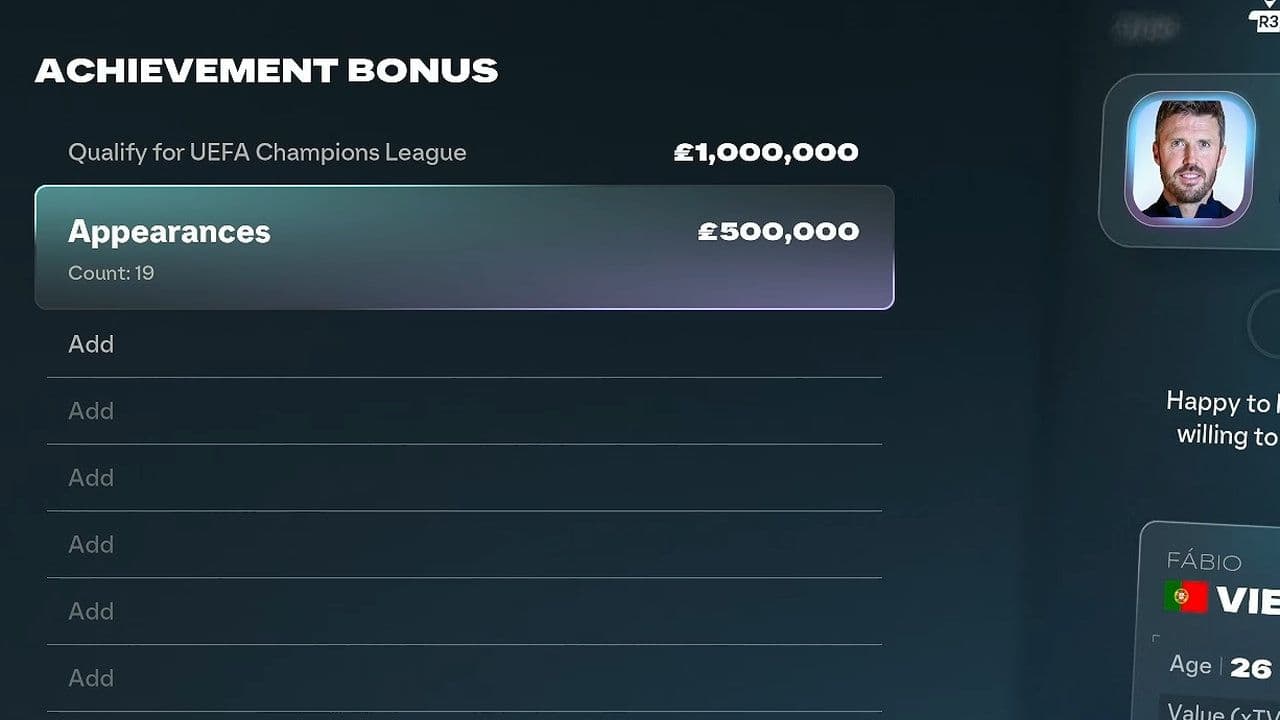
The exact structure matters because the cheapest deal today isn't necessarily the cheapest deal over several seasons.
How installments work in FC 27 transfers
Installments let you spread a transfer fee across multiple seasons instead of paying everything upfront. This can help you afford expensive players with a limited current budget, but those payments remain future financial commitments. FC 27 tracks installments alongside clauses and bonuses, so don't overload future seasons with payments.
Player swaps return in EA FC 27
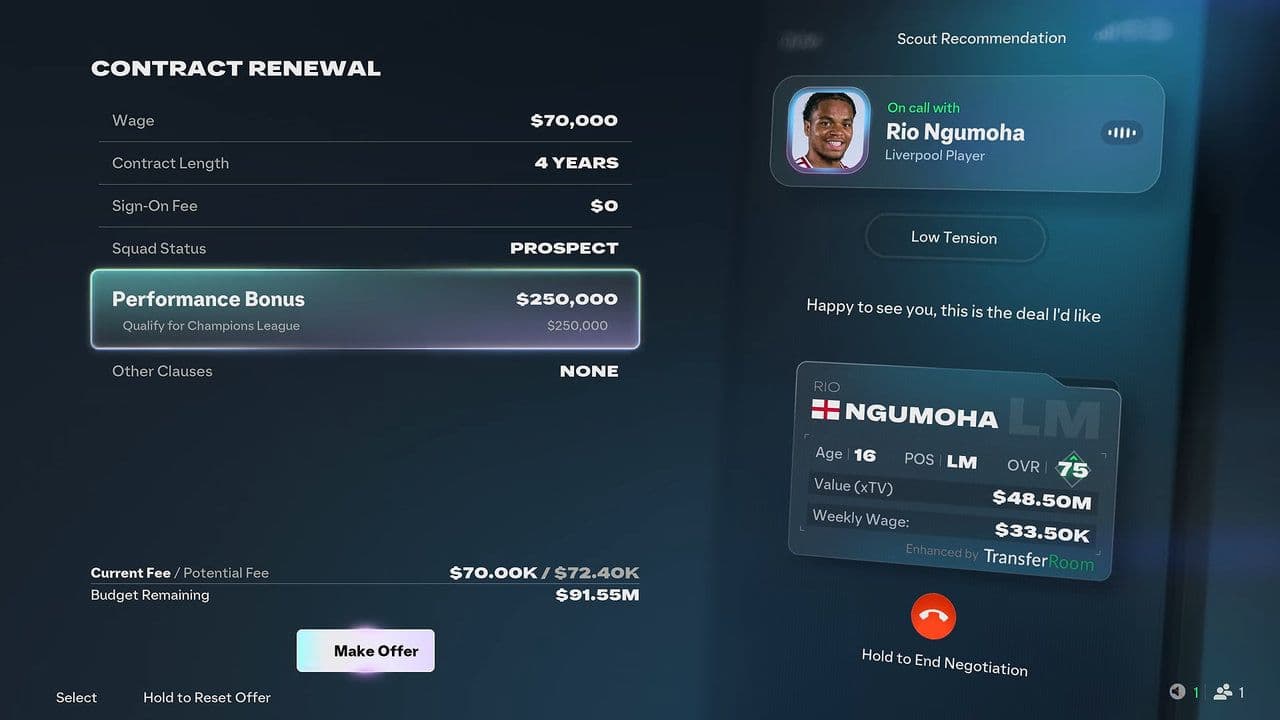
Player swaps are back in FC 27 Career Mode. You can include one of your players in a deal to reduce the cash needed while moving on someone who no longer fits your squad. This can be more efficient than selling a player separately before buying your target.
What are loan-back deals in EA FC 27?
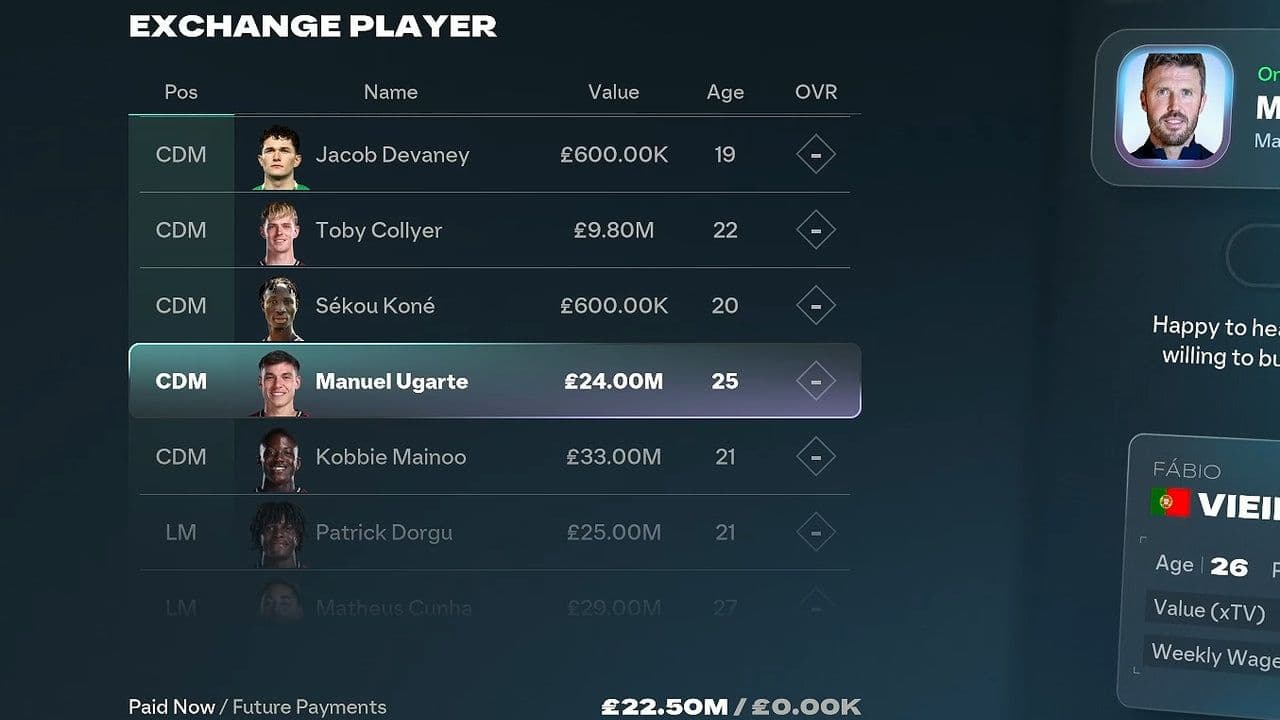
Loan-back deals let you sign a player while temporarily leaving him at his current club. They're particularly useful for wonderkids who need regular minutes before joining your squad. The same system can also help when selling a player you want to keep until the end of the season.
You can choose when transfers happen
Transfer timing is another major FC 27 addition.
A deal doesn't necessarily need to result in the player joining immediately.
You can arrange the move for:
- Immediately
- The next transfer window
- The beginning of the next season
This is especially useful for squad planning.
How player contracts work in FC 27
Transfers aren't only about agreeing a fee with another club.
Player contracts have also become more detailed.
Negotiations can account for:
- Weekly wages
- Contract length
- Signing bonuses
- Agent fees
- Squad roles
- Performance bonuses
- Conditional wage changes
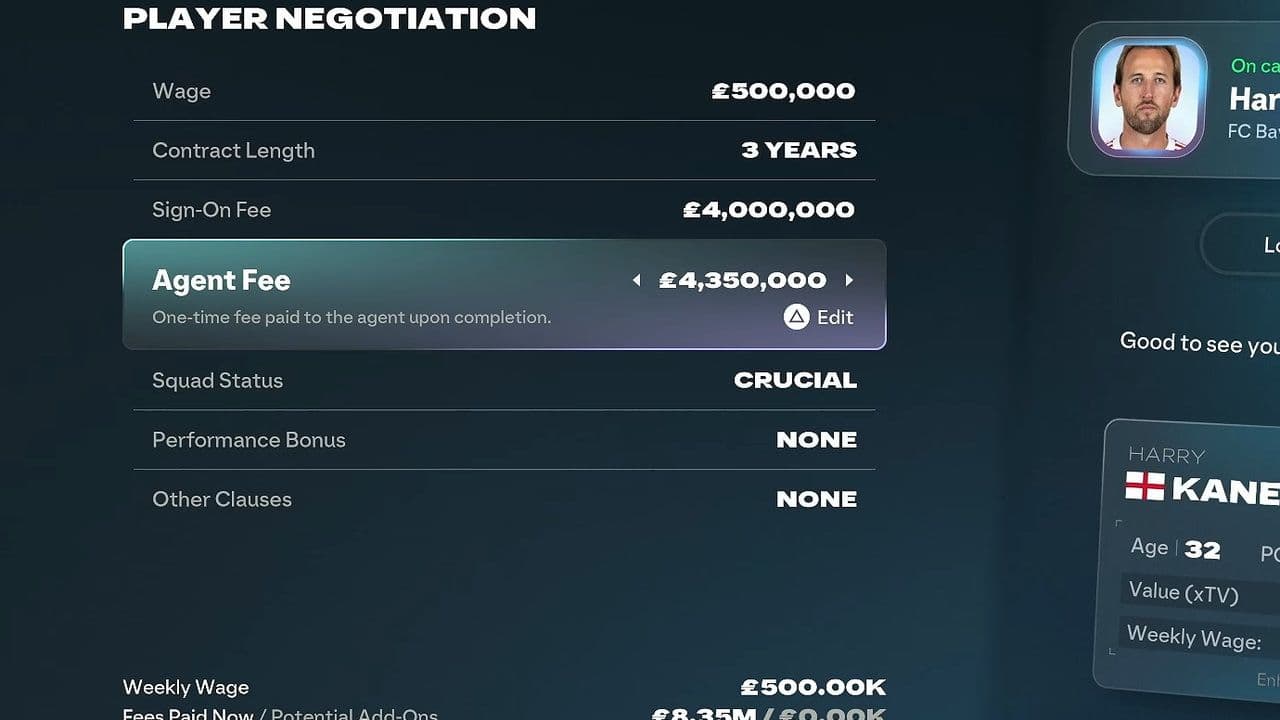
Squad roles are particularly important because they establish expectations around playing time.
Offering an Important or Crucial role can help make a deal attractive, but you'll then need to actually manage the player accordingly.
FC 27 also allows contract conditions that react to club performance. Wage increases can be triggered by achievements such as promotion or continental qualification, while reductions can help protect the club financially following setbacks.
How to negotiate transfers in EA FC 27
The old 3D negotiation sequence has been replaced by a more functional interactive 2D negotiation screen.
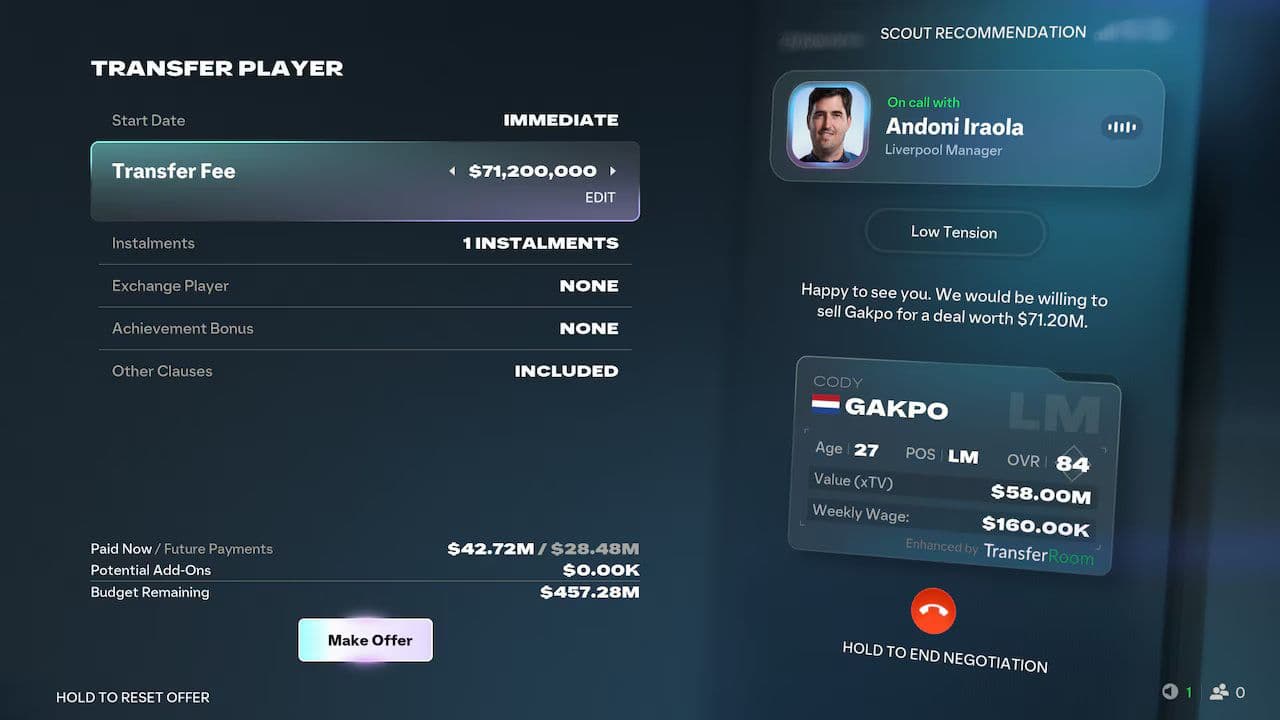
From here, you negotiate with managers, players, and agents.
A tension indicator shows how the discussion is progressing and how close negotiations are to collapsing.
That means constantly pushing for a lower price isn't always the smartest strategy.
If the other side is already close to walking away, saving another small percentage of the fee may not be worth losing your primary transfer target.
You can also walk away from negotiations yourself if the deal no longer makes sense.
Can another club steal your transfer target?
Yes. Rival clubs can enter while a transfer is still developing, even after you've reached an initial agreement. Their interest can trigger new demands from the selling club or player and force another negotiation before the deal is finalized. Use the Interest indicator and Active Negotiations to track priority targets and avoid waiting too long to respond.
How selling players works in EA FC 27
Outgoing transfers use the same staged philosophy.
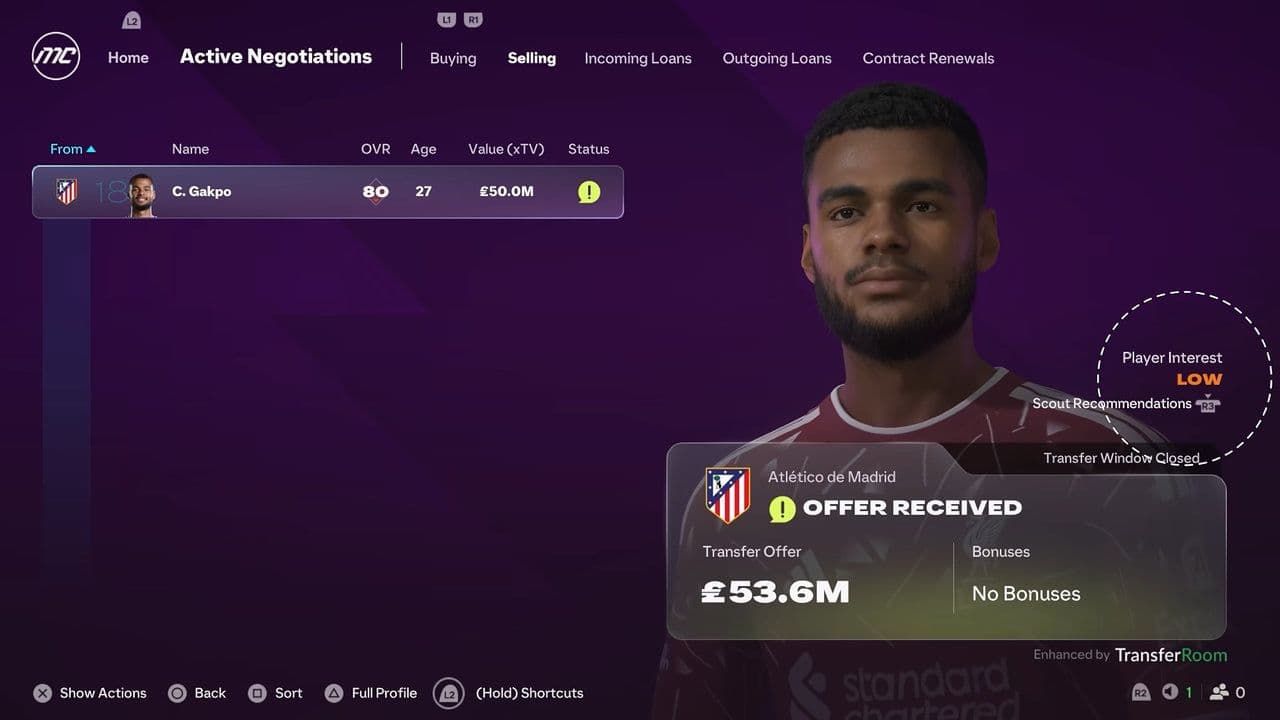
When another club approaches one of your players, you can:
- Accept
- Reject
- Negotiate
- Delegate
Offers can develop over time rather than appearing as isolated events.
Once clubs reach an agreement, the buying team still needs to negotiate with your player.
You can also receive a final opportunity to revisit the terms and push for a better deal, depending on factors such as the level of interest from other clubs.
That gives you more reason to consider the market around a player rather than accepting the first acceptable bid.
How AI transfers have changed in FC 27
AI clubs are more active and now build squads around longer-term philosophies. Some prioritize young talent, while others target proven starters. They can also pursue multiple players at once through parallel shortlists, switching to alternatives when deals fail. This means more competition for your transfer targets throughout Career Mode.
Player performance now affects transfer interest
What happens on the pitch also influences the transfer market.
AI clubs can consider statistics including:
- Goals
- Assists
- Average match ratings
- Clean sheets
when identifying potential targets.
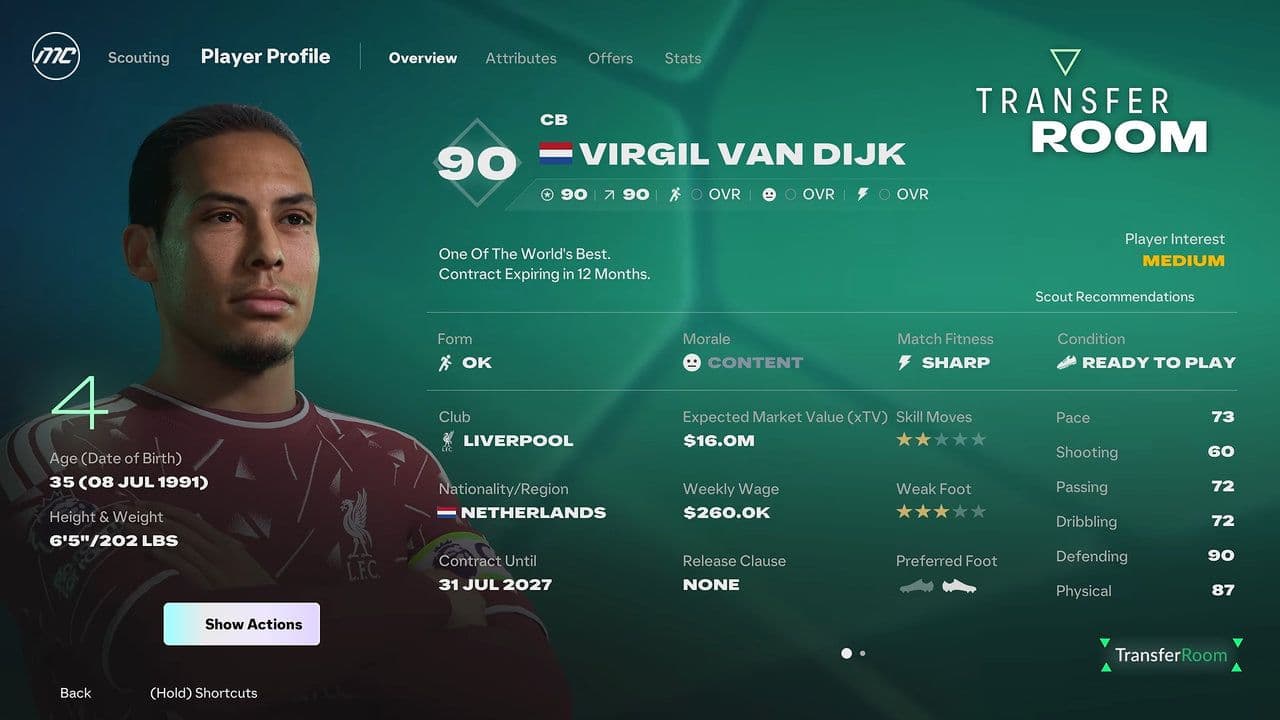
That means an unexpected breakout player can attract attention because of what he's actually doing during your save.
This works particularly well alongside Dynamic OVR and the changing valuation system.
A player who starts your Career Mode as an unremarkable squad option can perform well, improve his market position, and suddenly attract interest from larger clubs.
Club relationships affect transfers
FC 27 also makes club relationships more important.
Historic rivalries, local derbies, and regional rivalries can make clubs much less willing to sell directly to one another.
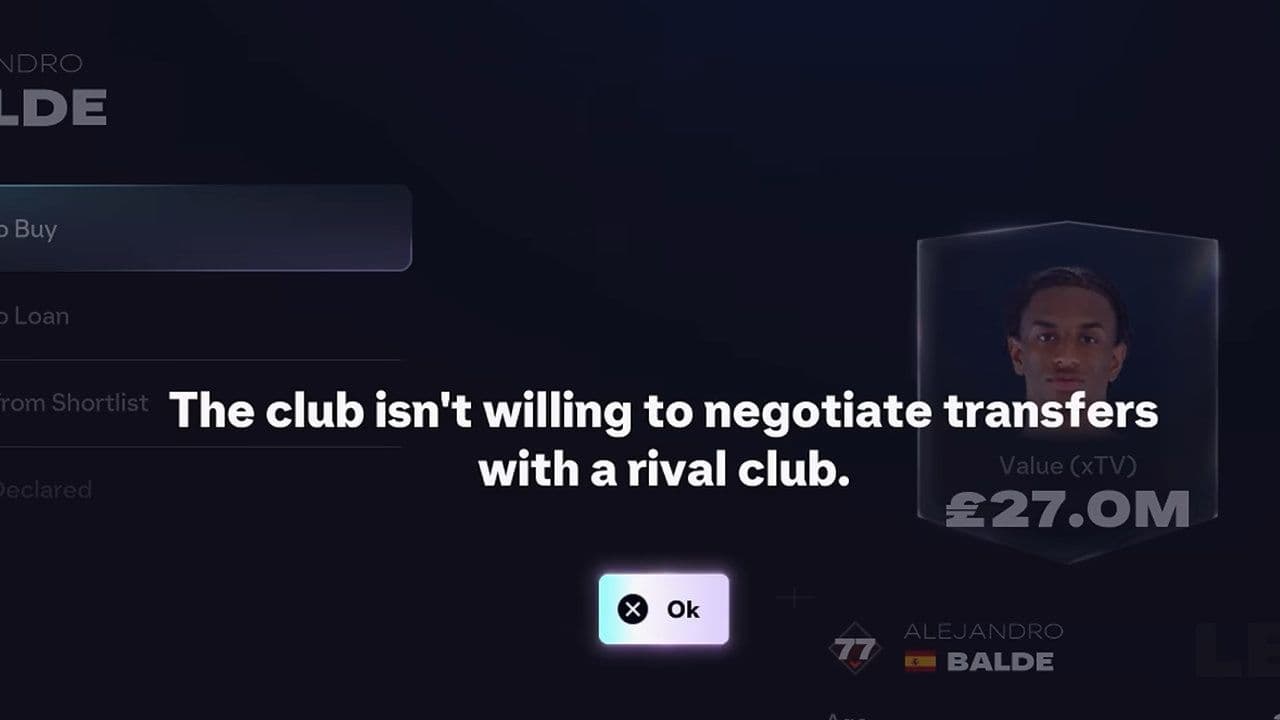
Transfers between rivals aren't completely impossible, but they're designed to happen less frequently.
Club prestige also matters.
Instead of being based mainly on the club's current league position, prestige considers wider factors such as reputation, history, and long-term expectations.
Players themselves can also consider factors such as:
- Your club's prestige
- Their current wages
- Career stage
- Contract situation
- Continental football
- Returning to their home country
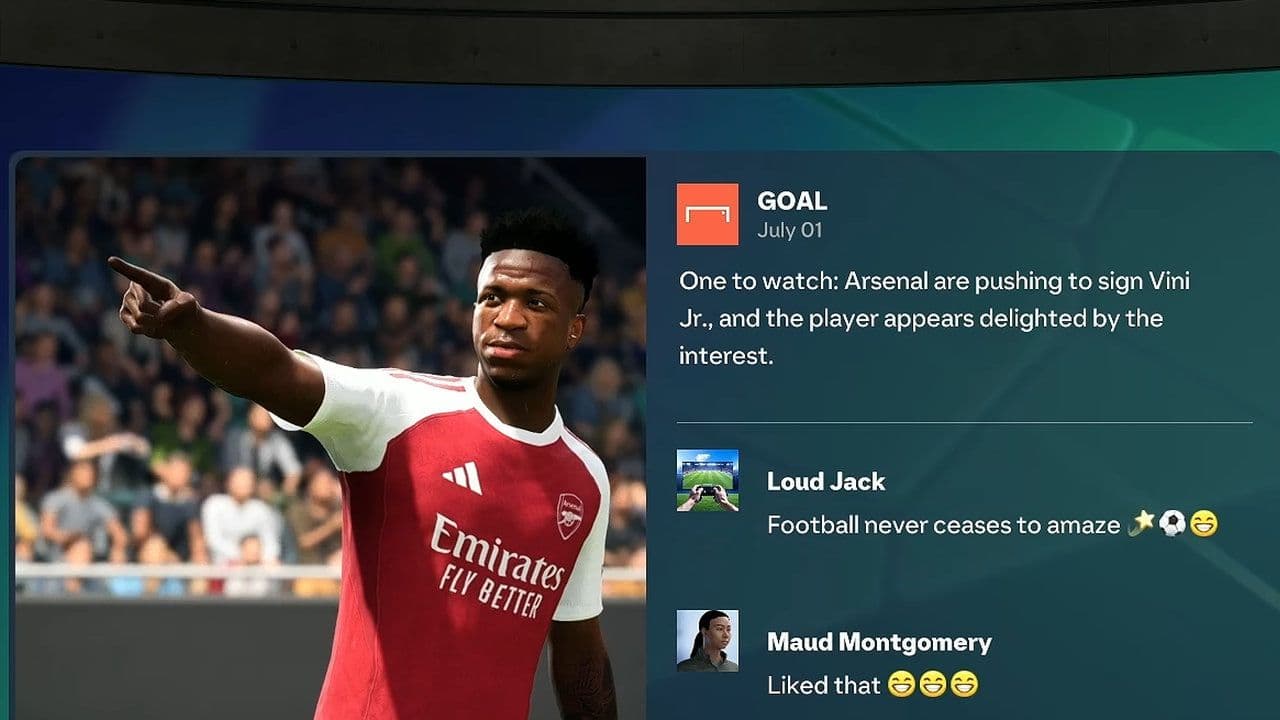
So having enough money doesn't automatically mean every player wants to join you.
How Dynamic OVR affects transfers
FC 27's Dynamic Overall system connects directly to the new transfer market.
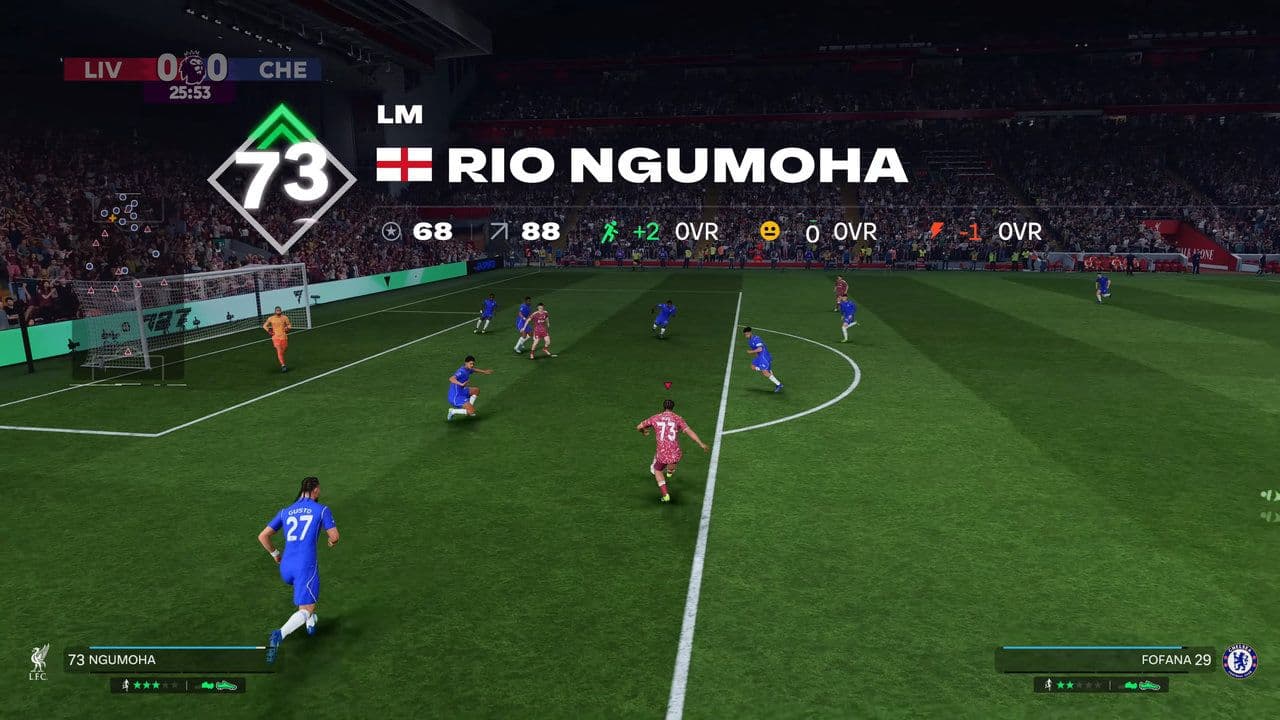
A player's Dynamic OVR can move according to Form, Morale, and Match Fitness.
This matters when scouting, buying, and selling.
You shouldn't evaluate a target only by his original database rating. A player performing exceptionally well in another club's save environment may present a different proposition from the same player at the beginning of Career Mode.
Likewise, keeping one of your own players in strong form can affect how the wider football world views him.
How Transfer Deadline Day works in EA FC 27
Transfer Deadline Day has been expanded to 20 hours in FC 27.
You can advance through it using the existing one-hour option or a new two-hour skip.
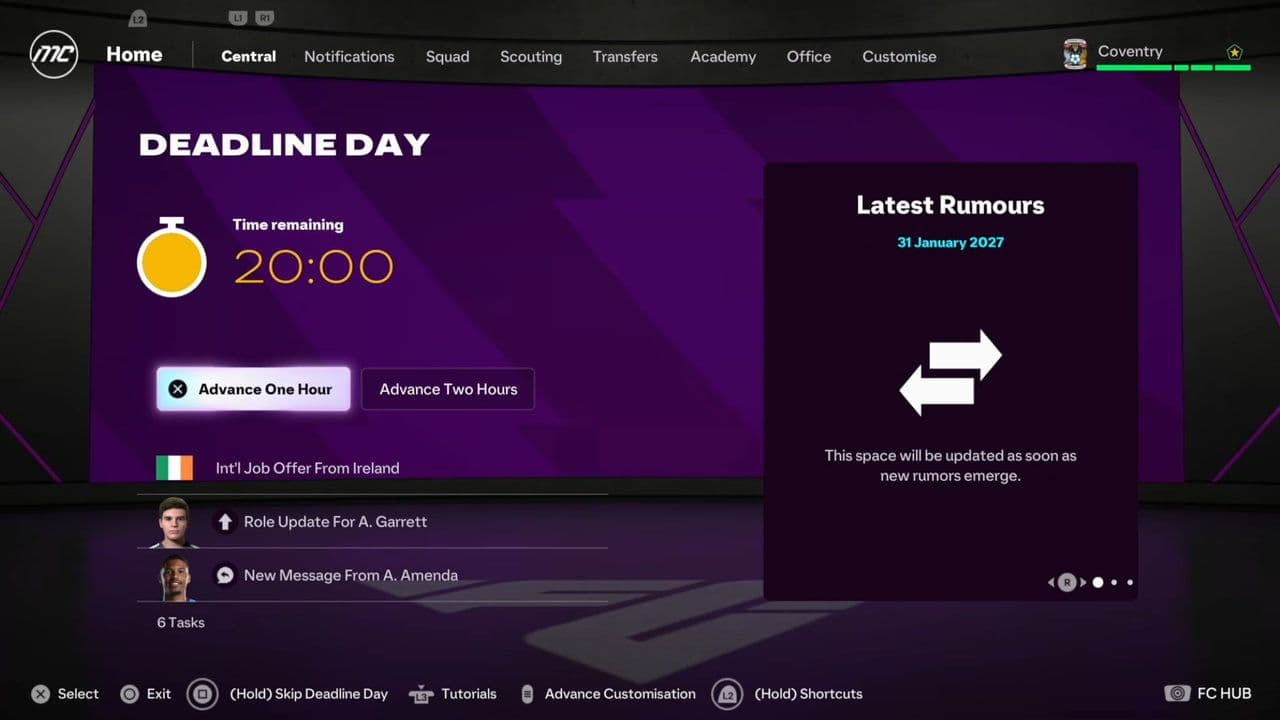
The extra time matters because transfers themselves now take longer.
With inquiries, waiting periods, negotiations, rival interest, and possible renegotiations all part of the system, trying to begin a complicated deal in the final few hours is much riskier than before.
If you absolutely need a striker or centre-back before the window closes, don't assume you can start negotiations at the last moment and force the transfer through.
Can you delegate transfers in FC 27?
Yes.
If you don't want to personally manage every stage, you can delegate negotiations to your Director of Football.
This is particularly useful when you're handling several incoming and outgoing deals simultaneously.
You can therefore choose between micromanaging important transfers yourself and letting staff handle less important squad business.
How to get better transfer deals in EA FC 27
The rebuilt market rewards planning more than rushing.
Start scouting before the transfer window opens and identify multiple targets for every important position. AI clubs already work with parallel shortlists, and you should approach the market similarly.
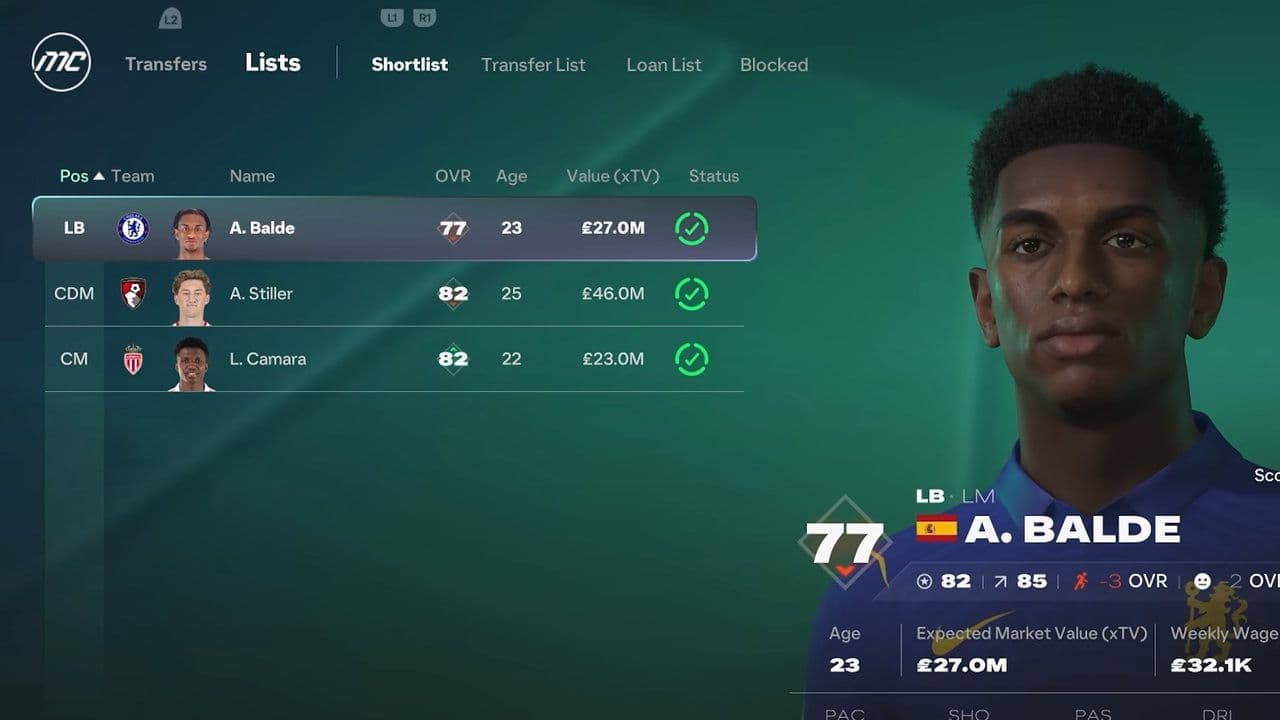
Use the Interest indicator before investing too much time in a player, and don't automatically pay everything upfront if installments or another deal structure gives you more flexibility.
When selling, consider how much outside interest exists before accepting the first bid.
And most importantly, leave enough time.
Transfer Stages mean a deal can change even after negotiations appear to be going well. Rival interest, changing demands, or a failed player agreement can leave you without enough time to find an alternative.
What changed with transfers in EA FC 27?
The difference isn't one new negotiation option.
EA rebuilt the wider transfer system.
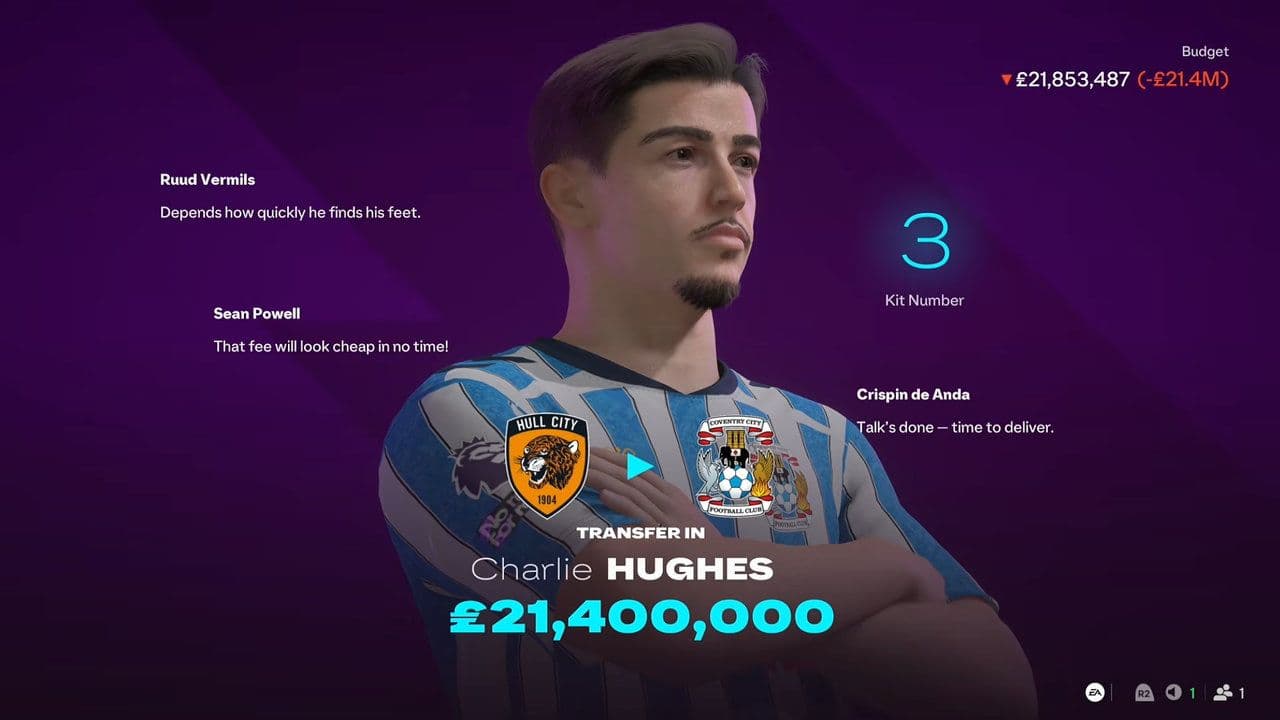
Player valuations now evolve through a TransferRoom-inspired model. Transfers progress through multiple stages. AI clubs pursue several targets and consider form, tactical fit, finances, and long-term philosophy. Rivalries influence negotiations. Contracts and transfer fees can be structured through more detailed clauses, while Dynamic OVR makes player performance part of the wider market.
The Transfer Hub has also been reorganized so you can track scouting, negotiations, contracts, clauses, installments, and completed deals more easily.
All of this makes squad building less about finding a high-potential player and immediately clicking through two negotiations.
In EA FC 27 Career Mode, a transfer is now something you need to plan, finance, negotiate, and actually get over the line before another club changes the deal.
Meet Eray, a tech enthusiast passionate about AI, crypto, gaming, and more. Eray is always looking into new developments, exploring unique topics, and keeping up with the latest trends in the tech industry, and gaming is the sweetest spot.
Eray has been rocking it as a news manager and content creator at spots like, TechBriefly, Gamelevate, Softonic, and various tech realms. Crafting over 2k tech articles, Eray captivated millions of readers for over three years.
Now, over at THESPIKE, Eray is a content writer, blending the love for spinning stories and helpful guides for all-things gaming.