How to get better at building in Fortnite fast
Build smarter, cleaner and fasterON THIS PAGE:
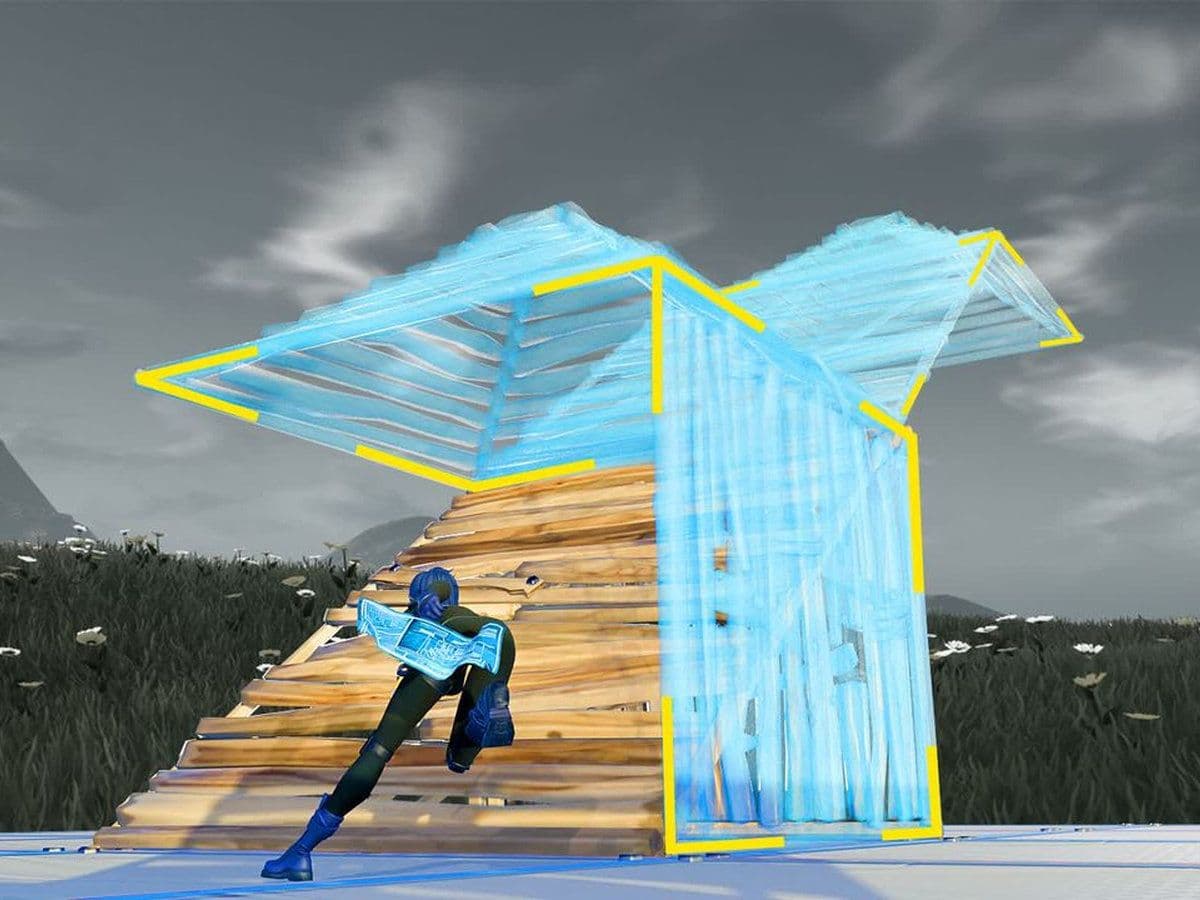
Getting better at building in Fortnite isn't about learning the flashiest high-ground retake you see in Creative. The biggest improvement comes from mastering crosshair placement, basic build combinations, edits, boxing, movement, piece control, and protected building until you can use them without thinking.
If you're starting from scratch, learn to build a clean box first. From there, progress into ramp rushes, 90s, double edits, side jumps, tunneling, piece control, and eventually high-ground retakes.
The goal is consistent building that works in actual fights, not simply building as fast as possible.
How to get better at building in Fortnite
The fastest way to improve is to practice individual mechanics slowly in Creative and only increase your speed once you can perform them without misplaced builds.
Here's what you should work on, in order.
Improve your crosshair placement
Crosshair placement is one of the most important building fundamentals because where you're looking determines where your builds appear.
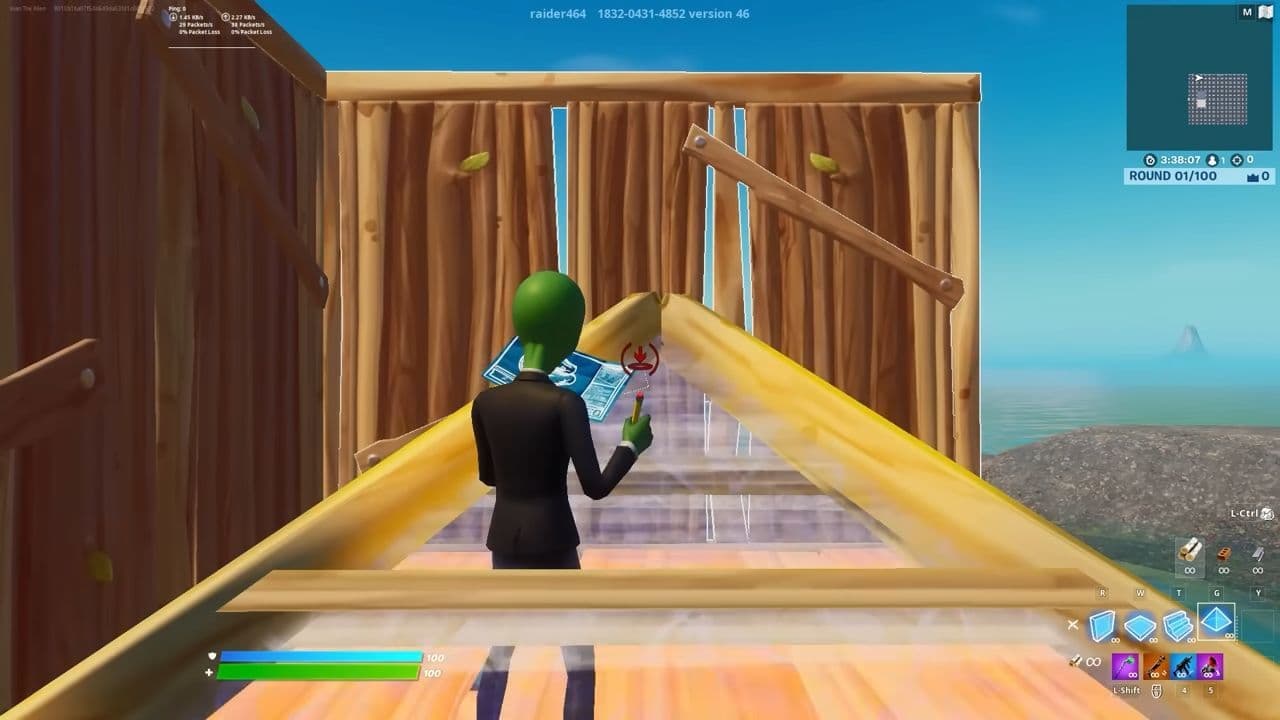
For example, cones and floors can place above or below you depending on your crosshair position. Walls can be placed above your current level for high walls or below you when looking downward. Cones can also reach surprisingly far, making them especially useful for claiming space ahead of an opponent.
Don't swing your crosshair wildly when freebuilding. Try to make the smallest movement necessary to place each piece.
Cleaner crosshair movement makes everything else—90s, edits, boxing and piece control—more consistent.
Learn how to build a box consistently
Your first essential build should be a full box.
A box gives you somewhere to heal, reset a fight, protect yourself from third parties, or prepare an edit.
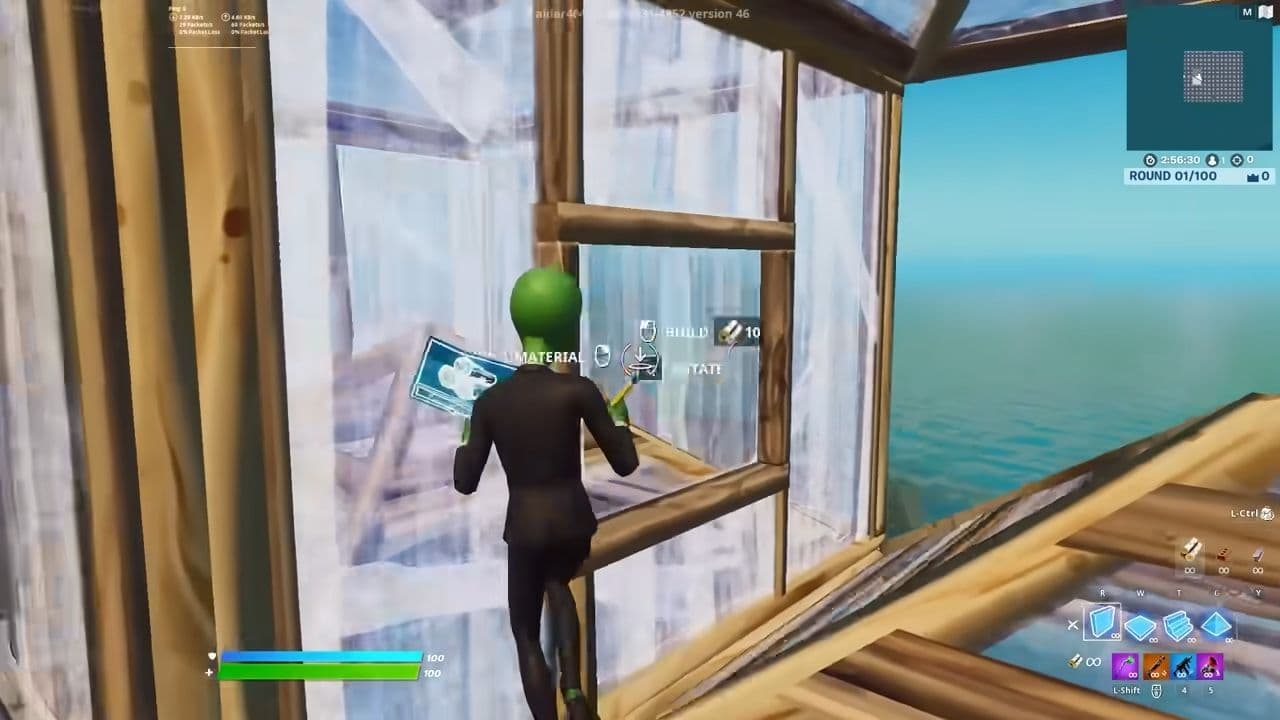
Start slowly and make sure every required piece actually places. A useful Creative drill is to build a long line of connected boxes, then turn around and inspect your builds for missing walls, floors, or cones.
Speed doesn't matter initially.
If you can build ten clean boxes slowly, you're developing better habits than someone who builds ten quickly and leaves gaps everywhere.
Master protected ramp rushing
Don't simply place ramps while running toward an opponent. Add protection.
A basic protected ramp rush can use:
Ramp → Floor → Wall
The additional structures make it harder for an opponent to shoot out your ramp and send you falling.
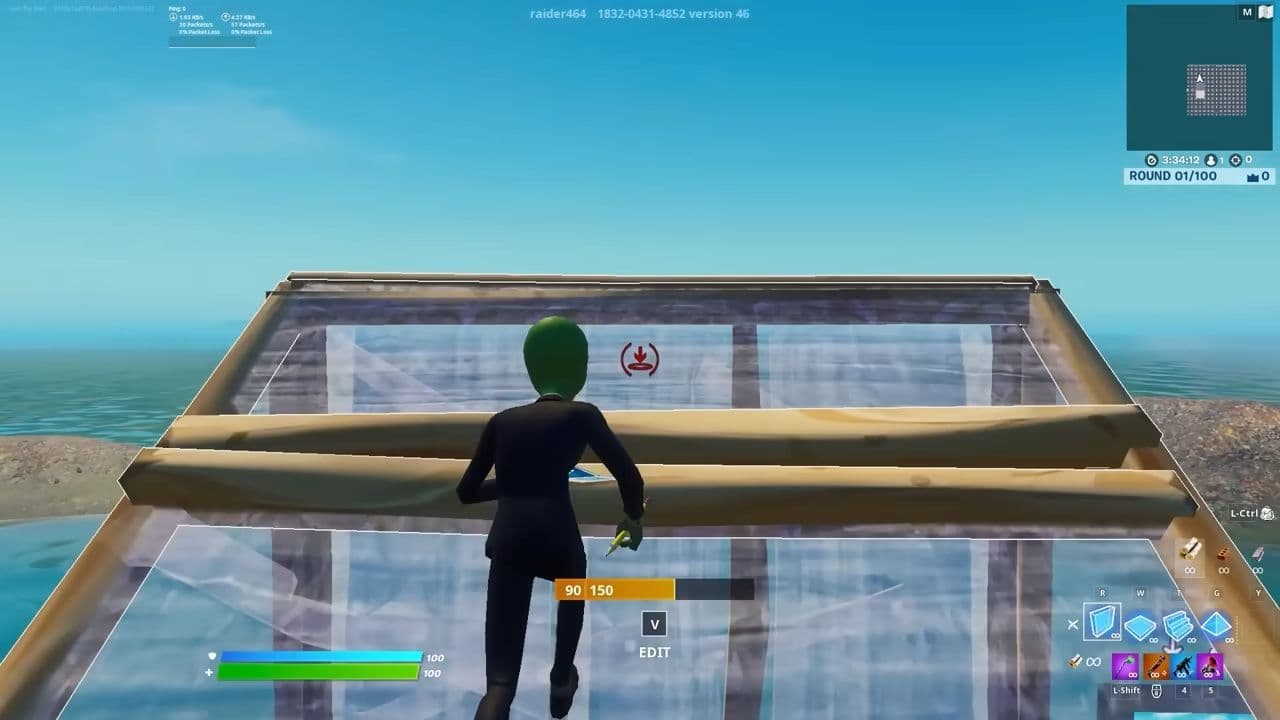
Once that sequence feels automatic, practice changing direction while continuing to build.
This gives you the foundation needed for 90s and more advanced high-ground techniques.
Practice 90s for taking high ground
90s remain one of the fundamental ways to gain vertical height quickly.
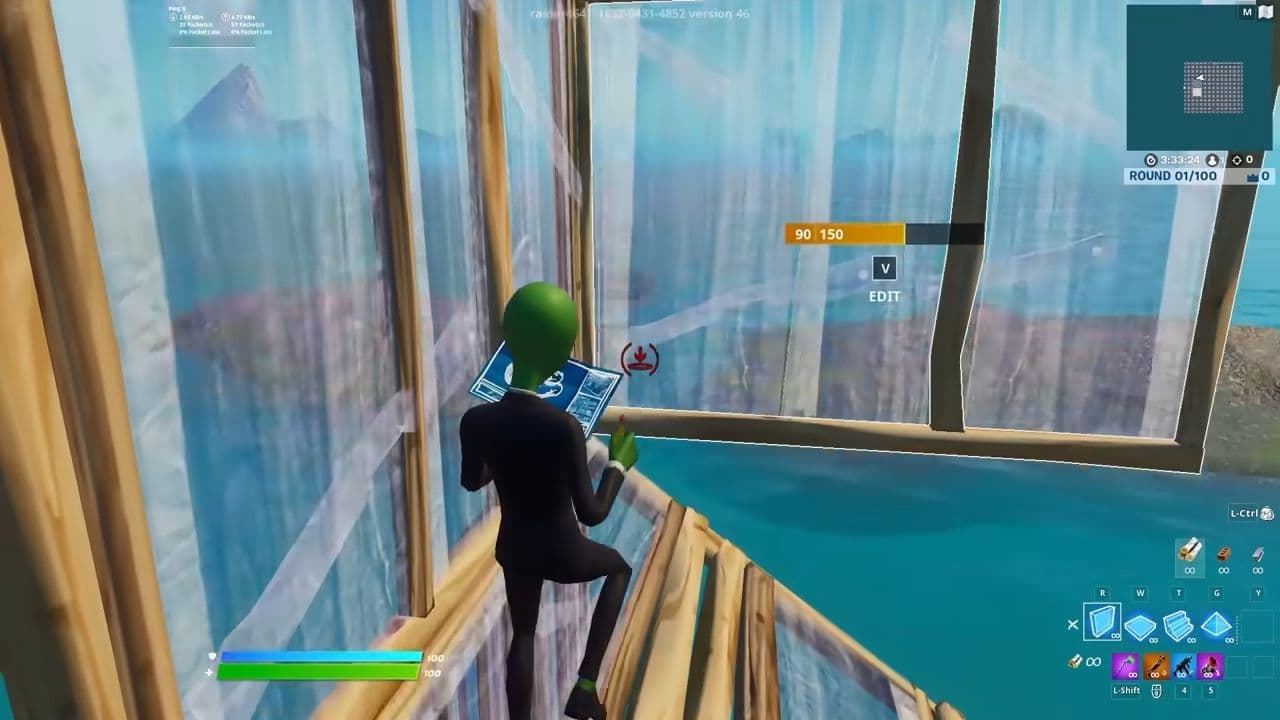
The basic sequence combines walls, a floor, and a ramp while turning 90 degrees and continuing upward.
Don't measure improvement by how fast you can spin.
Focus on:
- Landing in the correct position
- Keeping your crosshair controlled
- Avoiding unnecessary builds
- Maintaining forward momentum
- Protecting yourself from the opponent's angle
You should also learn infinite 90s, which let you continue climbing without constantly jumping. Another option is mixing two jumping 90s with a non-jumping 90 to manage jump fatigue.
Get comfortable with single, double, and triple edits
Building and editing need to become one mechanic.
Start with single edits, then move into double edits through a floor and cone.
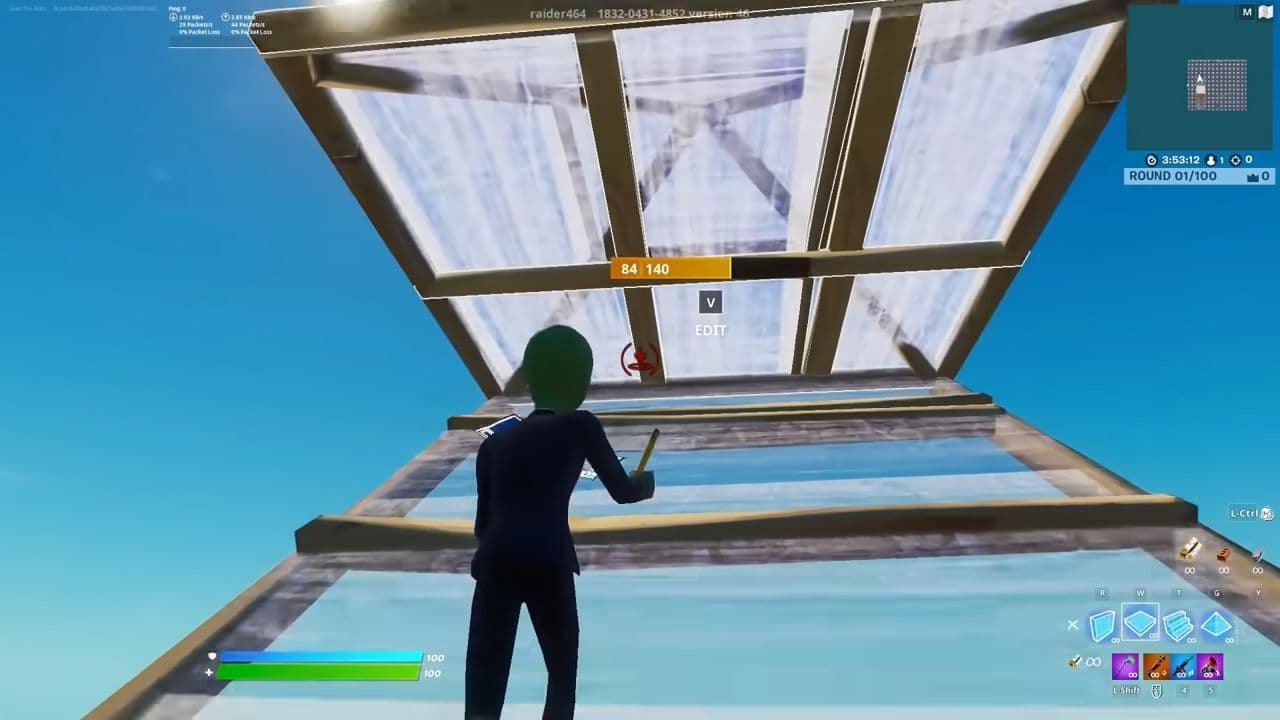
Once those are consistent, practice triple edits:
Floor → Cone → Wall
The point isn't to produce a flashy Creative clip. Triple edits teach you to place, claim, and edit several structures while maintaining forward movement.
If you're struggling, slow down and isolate the part causing the mistake.
Ten clean double edits are more valuable than repeatedly failing a triple edit at full speed.
Practice side jumps and diagonal jumps
Once your basic vertical building is reliable, learn to change layers without following an obvious ramp path.
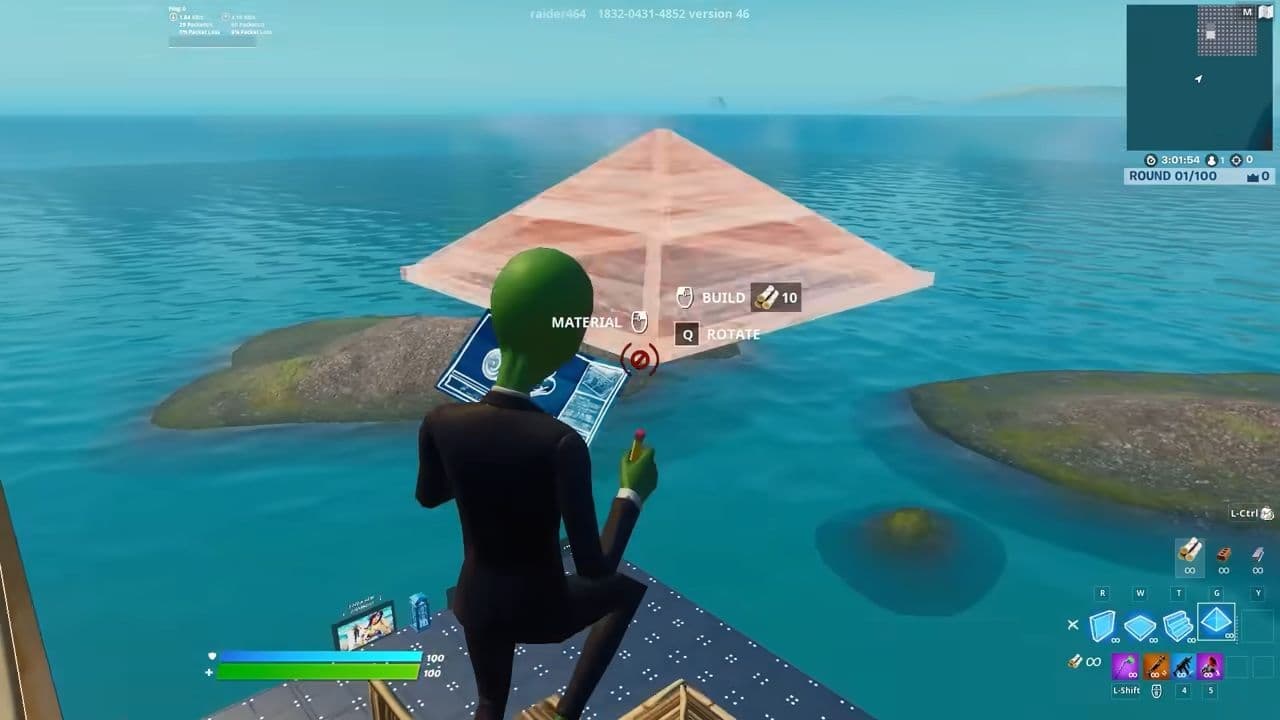
A basic side jump involves jumping around a cone, placing a floor, and catching yourself.
For an elevated side jump, place the floor first and then the ramp, aiming to land near the bottom of the ramp so you end up on top of it. This gains an additional layer without requiring another full building sequence.
Diagonal jumps work on a similar principle but move you diagonally into another tile.
Practice both directions. Being excellent at right-side jumps but unable to perform them left makes your movement predictable.
Learn how to tunnel
Tunneling matters whenever you need to move while protecting yourself.
A full tunnel essentially creates connected boxes as you move forward: place floors ahead, protect the sides with walls, and edit your path forward.
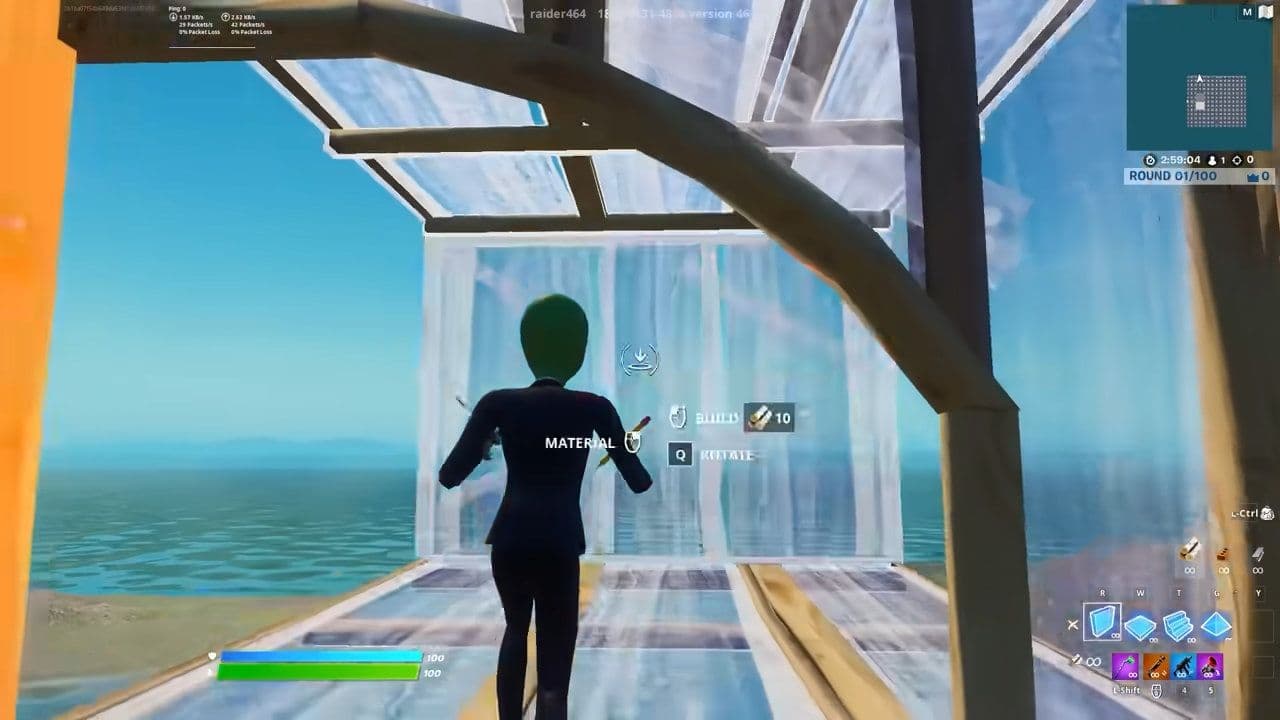
You should eventually practice several types of tarps and tunnels.
Straight-line tarping gives you a protected path forward, while zigzag tarping lets you change direction. Cheap tarps sacrifice some protection to conserve materials, and sprint tarps prioritize speed.
Don't practice tunneling only for competitive endgames. It's also useful when you're weak and need to create several layers of protection before healing.
Learn how to create space when you're weak
Good building isn't only about attacking.
When an opponent has you weak, your priority should often be creating distance and placing structures between you and them.
Build ramps behind you while escaping, expand into additional boxes, and tunnel away rather than trying to heal inside the first box your opponent is already pressuring.
Every additional wall, ramp, floor, or cone gives the chasing player another structure to break or navigate.
This is one of the biggest differences between building quickly and actually using builds intelligently.
Start learning piece control
Once building and editing feel comfortable, start thinking about which player owns the surrounding structures.
Piece control means claiming the walls, floors, cones, and ramps around an opponent so you control where they can move.
Cones are particularly useful because you can place them ahead of players to take away future space before completing the box with walls.
When boxing someone through your own wall, a window edit can also let you place structures while maintaining a safer right-hand peek.
Don't chase full boxes every time. Even controlling one cone or wall can remove an escape route and make the next shot easier.
Use cones to control space before taking walls
A common mistake is focusing entirely on taking an opponent's wall.
You can often control the fight before you own that wall.
With the correct crosshair placement, you can place a cone over a wall and into the tile behind it. You can also pre-claim nearby tiles with cones so that if the opponent tries to escape, they're moving into space you already control.
This is why learning cone placement is so valuable.
Instead of reacting to where an opponent moves, you're restricting where they're able to move in the first place.
Learn safe right-hand peeks
Building faster won't help if every edit exposes your entire character.
When attacking a box, create edits that let you shoot while keeping as much of your character behind cover as possible.
Window edits are particularly useful because they can create right-hand peeks while you pressure or attempt to box the opponent.
Build fighting should eventually become less about racing your opponent and more about creating situations where you can shoot them before they have a clean shot at you.
Practice high walls
A high wall is simply a wall placed above the level directly in front of you.
It sounds basic, but it becomes extremely useful when an opponent has height.
You can place high walls while ramping upward to block their line of sight, protect yourself while changing layers, or incorporate them into side jumps and retakes.
Practice placing them without stopping your movement.
Once that becomes automatic, high walls can be incorporated into more advanced retakes.
Learn a few high-ground retakes instead of dozens
You don't need 20 memorized retakes.
Start with one or two protected sequences that you can actually use when somebody is above you.
A simple 180 retake is a good starting point. More advanced combinations can incorporate double ramps, cones, high walls, side jumps, and direction changes.
But there's an important progression here: first memorize the sequence, then learn to modify it.
High-ground retakes become genuinely useful when you can change direction based on where your opponent is rather than blindly repeating a Creative combination.
Fix your Fortnite building binds and settings
Your controls shouldn't make basic building unnecessarily difficult.
On keyboard and mouse, keep your wall, floor, ramp, cone, and edit binds somewhere you can reach without constantly moving your hand away from your movement keys. Epic's current competitive-settings guidance similarly recommends keeping frequently used building controls within easy reach.
Controller players can use Builder Pro or create a Custom controller layout through Fortnite's controller mapping settings.
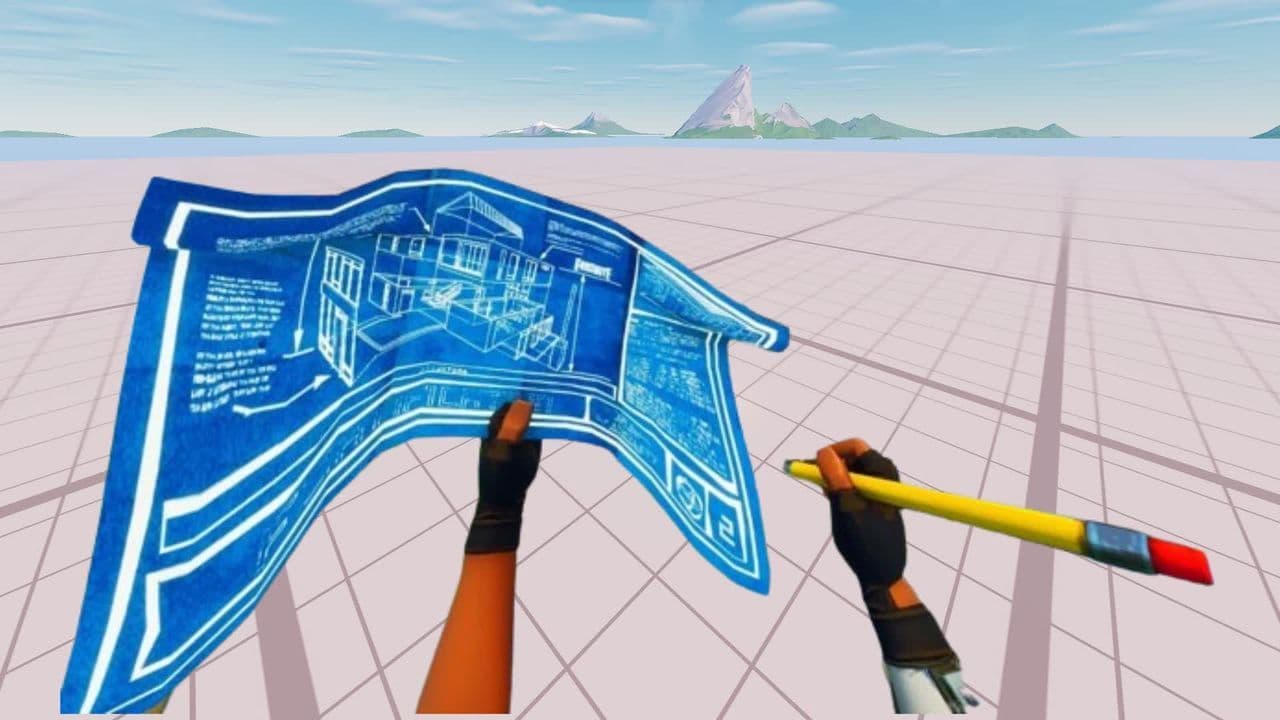
Don't constantly copy new settings from different players. Find comfortable binds and give yourself enough time to build muscle memory with them.
Use Simple Edit if you're learning Fortnite building
If manual edits are currently stopping you from learning the rest of Fortnite's building system, Simple Edit can make the process easier.
With Simple Edit enabled, Fortnite lets you edit the section of a structure you're looking at without manually selecting individual edit tiles. You can enable it under:
Settings → Game → Simple Edit
You can also enable Tap To Simple Edit for single-press edits.
There is one major limitation: Simple Edit isn't available in competitive game modes. If competitive Fortnite is your goal, you'll eventually need to be comfortable with the editing system available there.
Practice in Creative every day
Creative is where you should build muscle memory because you can repeat the same movement hundreds of times without looting or waiting for another match.
You don't need a complicated routine.
A useful session can be:
- 5 minutes: boxes and freebuilding
- 5 minutes: 90s and protected ramp rushes
- 5 minutes: single, double, and triple edits
- 5 minutes: side jumps and retakes
- 5 minutes: tunneling and piece control
- 5 minutes: realistic fights or box fights
There are dedicated Creative islands for freebuilding, edits, piece control, and 1v1 practice; Fortnite's Discover system lets you search for an island by its name or island code.
The important part is repetition.
Practice slowly before trying to build fast
This is probably the most important rule in the entire guide.
Don't practice mistakes quickly.
If you're missing walls during boxes, placing ramps above your head, failing edits, or falling during side jumps, slow the movement down until you understand exactly why it's happening.
Build combinations work best when you repeat the same placement order consistently. Crosshair placement and sequence matter more than raw speed while you're learning.
Once the sequence becomes automatic, increase your speed.
Take your building into real fights
Creative mechanics aren't the final goal.
After practicing, play Build Battle Royale, box fights, realistic 1v1s, or other PvP modes where somebody actively pressures you.
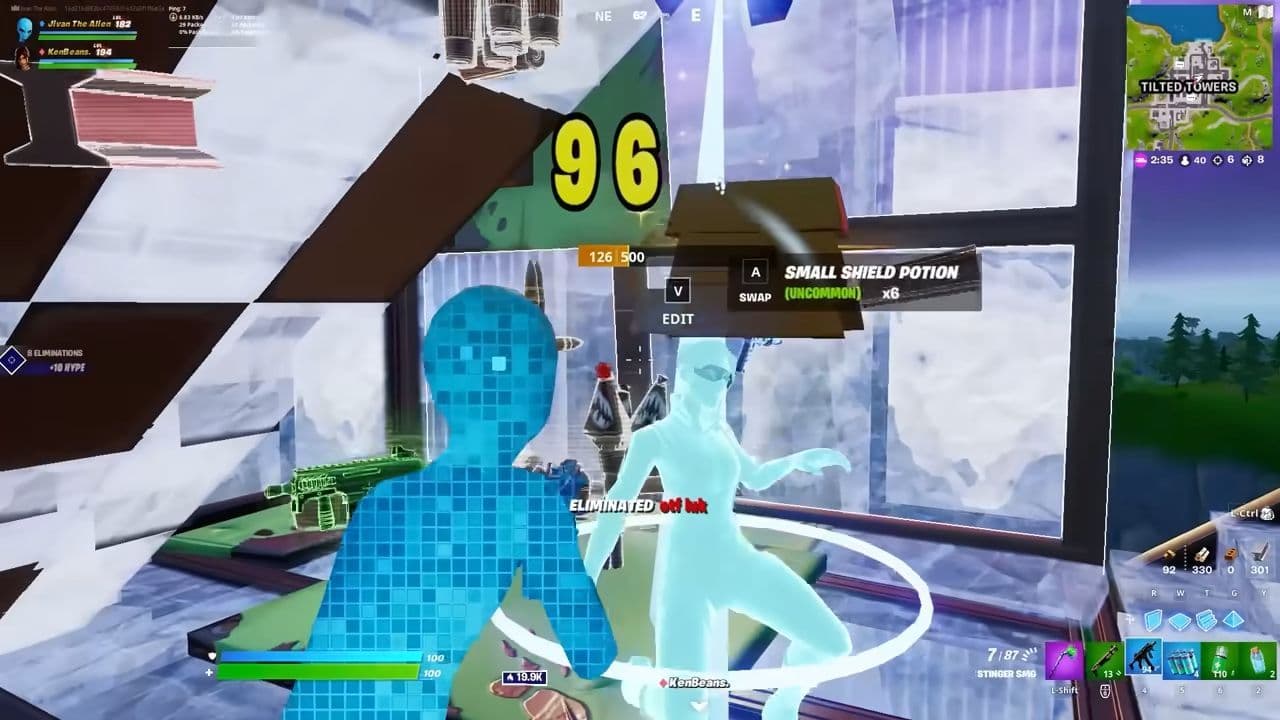
You'll quickly discover which mechanics you actually know.
A triple edit you can hit 20 times in an empty Creative map may disappear the moment an opponent starts shooting your wall. That's normal. Keep using the mechanic in fights until the decision becomes automatic.
The real sign that you're getting better at building in Fortnite isn't that your freebuild looks faster.
It's that when somebody shoots you, takes height, jumps into your box, or leaves you at 30 HP, you already know what to build next and why.
All Related Guides
 Fortnite x FNAF: Release date, skins & everything we knowFortnite x FNAF arrives October 1 for Fortnitemares 2026 with Freddy, Bonnie, Chica, Foxy, Fazbear's Pizzeria,...
 Fortnitemares 2026: Release date, collabs, skins, map changes and moreFortnitemares 2026 starts October 1 with FNAF, major collabs, new skins and more. Here's what's confirmed, lea...
 4 ways to update Fortnite on mobileLearn 4 ways to update Fortnite on Android, iPhone and iPad through Epic Games Store, Google Play and the App ...
 Fortnite Loot Hacker Sprites: All variants, locations, and how to get themFind all Fortnite Loot Hacker Sprites, Cheat Code locations, Chest chances, Sprite Dust costs, and how to unlo...
 All Garden vs. Brainrot codes in Fortnite: Updated listLooking for Fortnite Garden vs Brainrot codes? Get every working code, learn how to redeem them, and boost you...
 Latest Fortnite Steal the Brainrot codes (September 2026)Find all active Fortnite Steal the Brainrot codes to summon Brainrot Gods and boost rewards fast....
 Island cheats: How to find & use Fortnite Cheat codesLearn how Fortnite Cheat Codes work, where to find them, what each panel color means, and how to unlock and ex...
 Sprite Rate Up meaning in FortniteLearn what Sprite Rate Up means in Fortnite, how these events work, which Sprites get boosted, and why they're...
- 1
- 2
- 3
- 4
- 5
- 6
- 7
- 8
- 9
- 10
- 11
- 12
- 13
- 14
- 15
- 16
- 17
- 18
- 19
- 20
- 21
- 22
- 23
- 24
- 25
- 26