Top 5 Hytale House Ideas: Starter houses, strong bases, and more
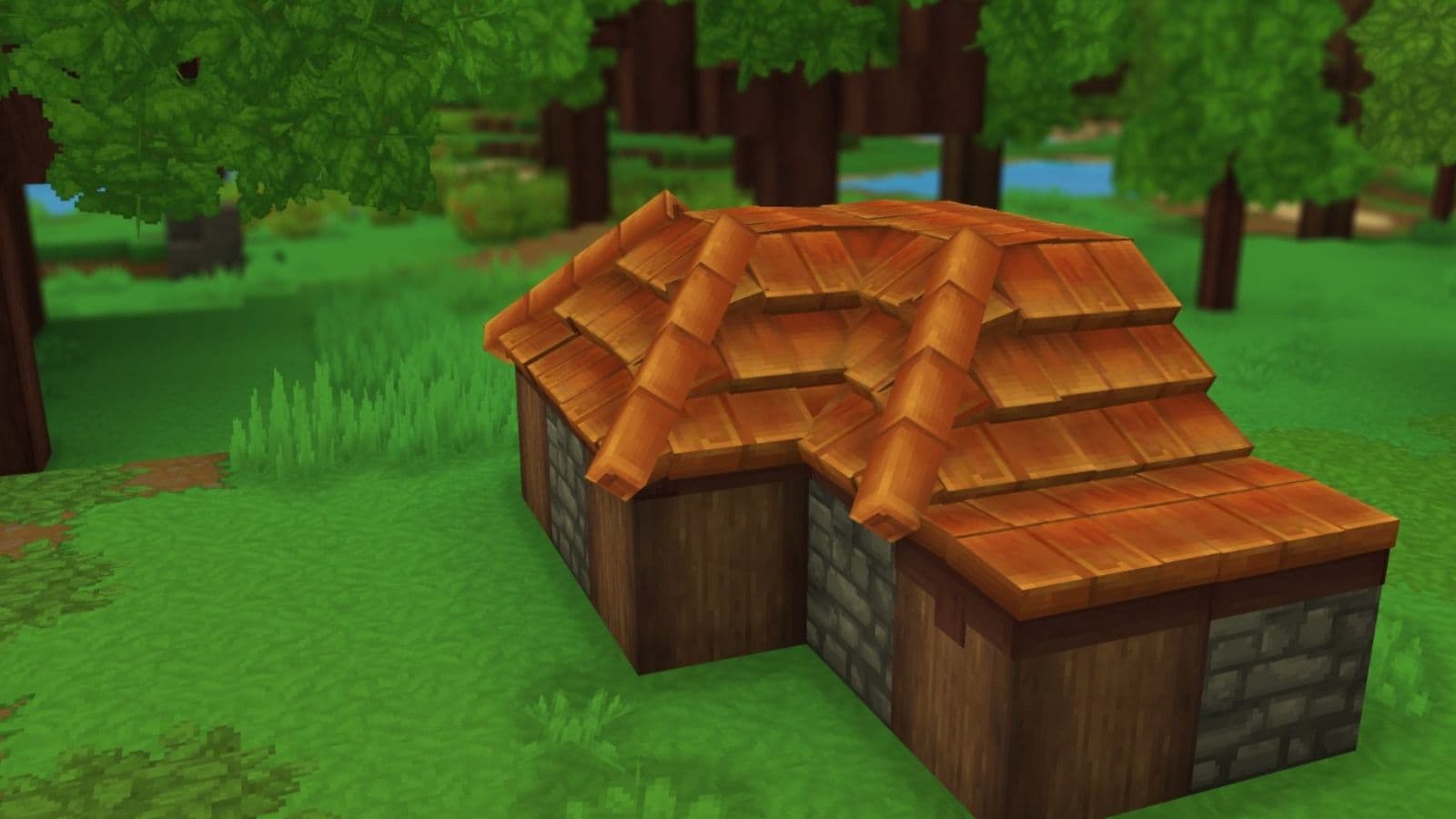
Just like Minecraft, there are almost endless options for builds in Hytale. The game lets players build different types of buildings and structures, allowing them to stretch their imagination and come up with a useful building based on their preferences. A good Hytale house also acts as a base. It protects you, but it also keeps your crafting flow fast. We made a thorough search on YouTube to find the best Hytale house ideas, from starter houses to strong bases. Here are all!
What makes a good base or a house in Hytale?
Hytale gives you many block variants and shapes from the same materials. You can build depth with beams, stairs, slabs, roof pieces, windows, and decorative elements. That lets you avoid flat walls and plain roofs even in a starter base.
A strong base follows four rules:
- Short loops: crafting, storage, and sleep sit close together.
- Clear zones: you group stations by use, not by looks.
- Light control: you place lighting where you work, not only where it looks nice.
- Upgrade space: you reserve one wall, one corner, or one floor for future stations.
Top 5 Hytale house ideas
Each idea below comes from the five house transcripts you shared. Each one fits a different playstyle, but all five follow good base logic.
1) Compact “everything base” Viking cottage with an optional basement
This build aims for maximum function in a small footprint. It uses a tight layout for stations and storage, and it adds an optional basement for overflow. The exterior stays cozy and compact, but the interior supports serious progression.
What you have in this house:
- A complete station lineup in one hub, plus extra storage platforms.
- A basement option that expands space without changing the exterior shape.
- A roof with more than one piece type, so it avoids a flat silhouette.
- Exterior lantern placement that marks entrances and windows for safety and clarity.
You spend less time running between stations, and you keep “daily tasks” in one room. That is the best trait of a survival base. You can find 04AM’s video here.
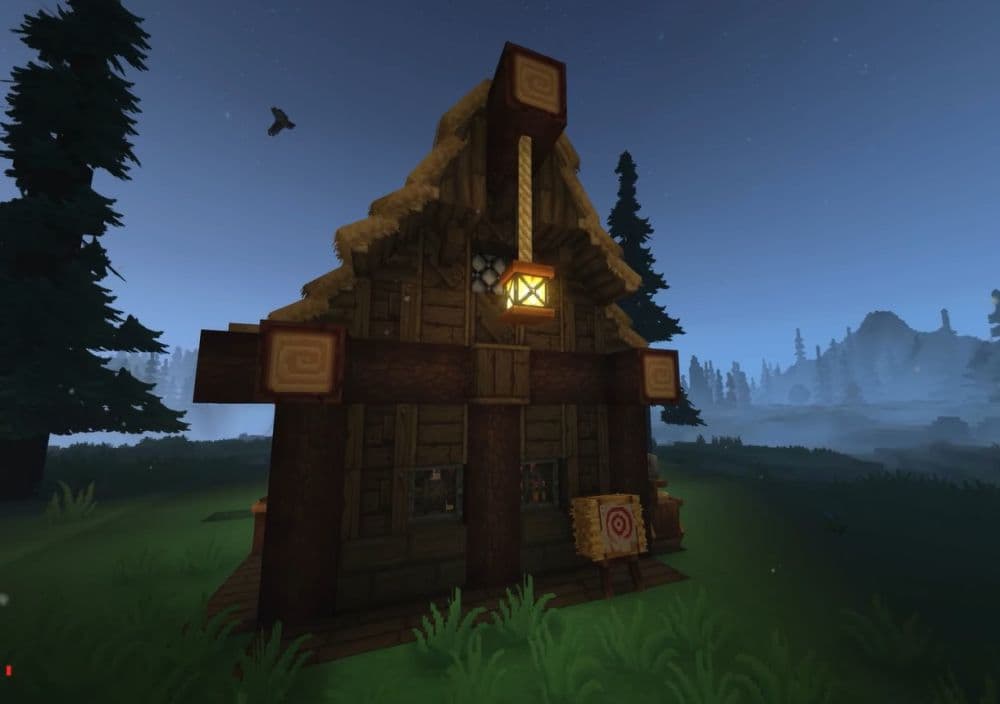
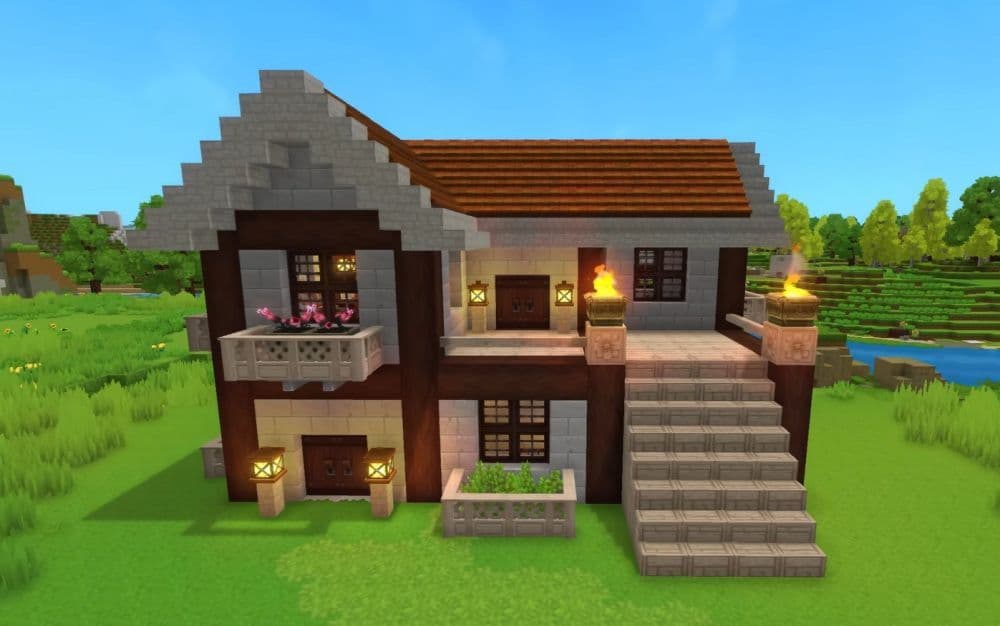
2) Simple starter house upgrade with porch, chimney, and loft storage
This design targets players who want a clean upgrade from a basic starter box. It uses easy materials and a clear floor plan, then adds structure through pillars, window framing, and a chimney.
What you have in this house:
- A porch and double-door entry that makes navigation easier.
- Window framing that keeps walls readable and breaks monotony.
- A loft space for beds and extra storage, plus a storage wall under the stairs.
- A simple chimney build that adds identity and “home” vibe.
The loft keeps core space open. You get a practical layout without a big resource bill. You can find Chiselchip’s video here.
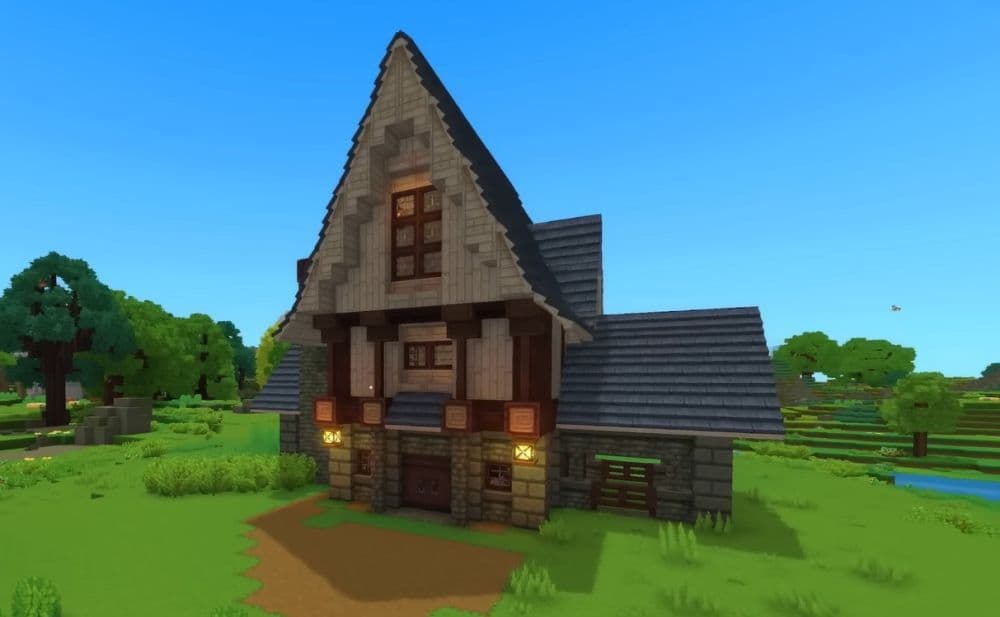
3) Lakeside mixed-material starter home with dormers, a tower accent, and ivy
This build starts as a starter home, then grows into a more ambitious house with roof detailing and a tower-like side feature. It leans on mixed materials for contrast, then uses ivy as a visual “finish pass.”
What you have in this house:
- A lakeside spot that supports a relaxed base layout and clear orientation.
- Mixed stone-and-wood structure that signals “sturdy lower, cozy upper.”
- Dormers that break up the roofline and add depth.
- Ivy and foliage that hide harsh edges and add personality.
This style supports gradual upgrades. You can keep the same footprint and improve it in phases as you unlock more materials. You can find Blockdown’s video here.
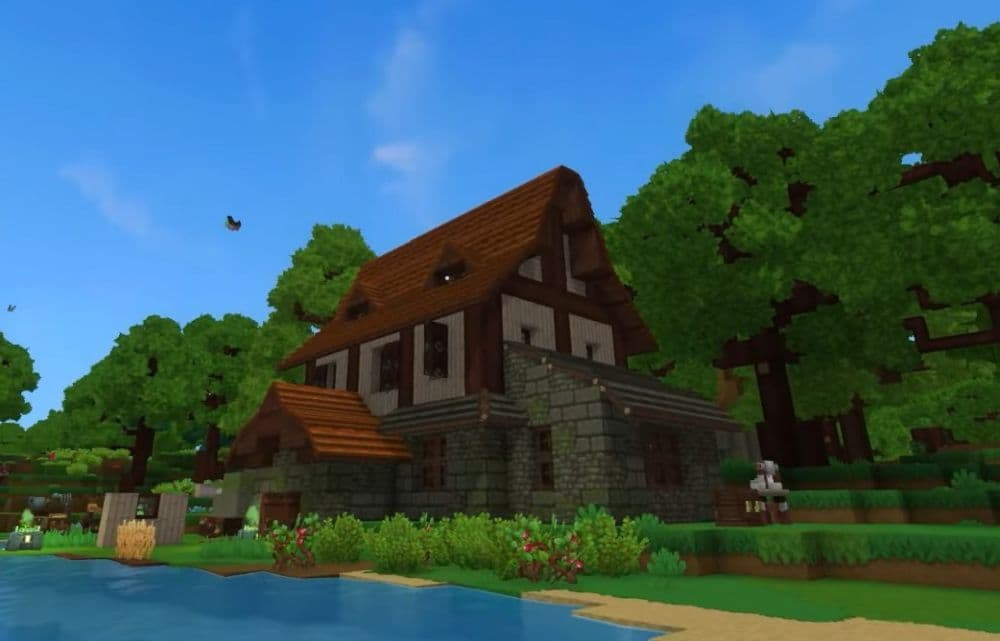
4) Two-floor fully functional cozy house with dedicated station zones
This house leans into planning. It uses an 11×11 main square plus a 6×6 side square, then builds upward into a two-floor base with clear station placement. It ends with an L-shaped roof and exterior details that frame the build.
What you have in this house:
- First floor works as the “workshop floor,” with stations grouped by role.
- Second floor handles overflow stations, sleep space, and large chest walls.
- Lighting supports the full room, not only a few corners.
- An external room slot gives you a clean place for late-game projects.
You avoid base clutter. You also reduce rebuild pressure later because you plan space from the start. You can find AimingforGaming’s video here.
5) Blacksmith outbuilding that supports gear upgrades and caving
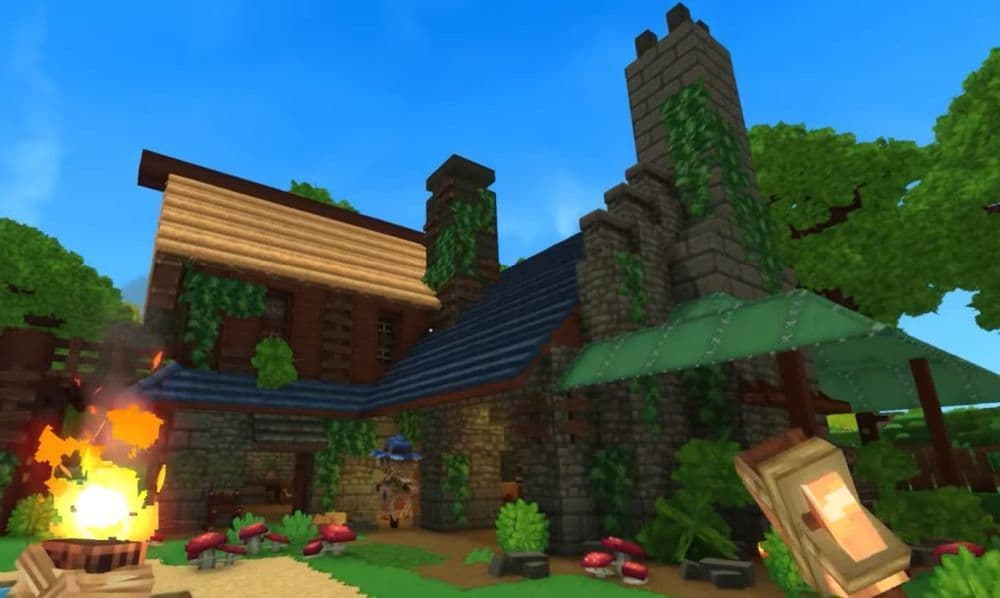
This idea shifts the focus from “one house does all” to “a base becomes a settlement.” The build functions as a dedicated blacksmith building that supports smelting, tool upgrades, armor crafting, and storage for mining supplies.
What you have in this house:
- You separate noisy, heavy “industry” from your cozy main house.
- You create a clear workflow: ore in, ingots out, tools and armor ready.
- You can theme the building around stonework, chimneys, awnings, and rugged décor.
- You can scale it as your gear and station needs grow.
Specialization saves time. It also keeps your main base clean and readable. You can find Blockdown’s blacksmith video here.
Where to place your base in Hytale
Strong base placement depends on access and expansion. You want flat ground, fast access to wood and stone, and a route to key points of interest so you can keep unlocking new progression hooks over time. In Early Access, the game also highlights major points of interest like the Forgotten Temple as part of the early journey, so proximity can support faster progression loops.
A practical placement checklist:
- Pick a flat area with room for two extra buildings.
- Stay close to basic resources, then add roads or paths later.
- Leave one “empty side” for farms, portals, or crafting expansion.
Are there villages in Hytale?
Hytale supports villages and settlement-style locations. There are different zones and biomes. The game includes Kweebec settlements in Zone 1, and updates also reference other village types. Settlements matter for house builders because they offer strong architectural ideas, useful décor patterns, and a clear sense of how Hytale frames lived-in spaces.
Check more of our Hytale beginner guides below:
- List of all Hytale mobs, what they drop & how to find them
- How does the Hytale class system actually work? Guide to builds
- Where to play Hytale and how to install the game
- Hytale Early Access Roadmap: What to expect in future updates
- Hytale Update 4: New features, changes, and patch notes
Featured Image Credit: Hytale