How to breed villagers in Minecraft in 5 easy steps
Knowing how to breed villagers is super useful in Minecraft.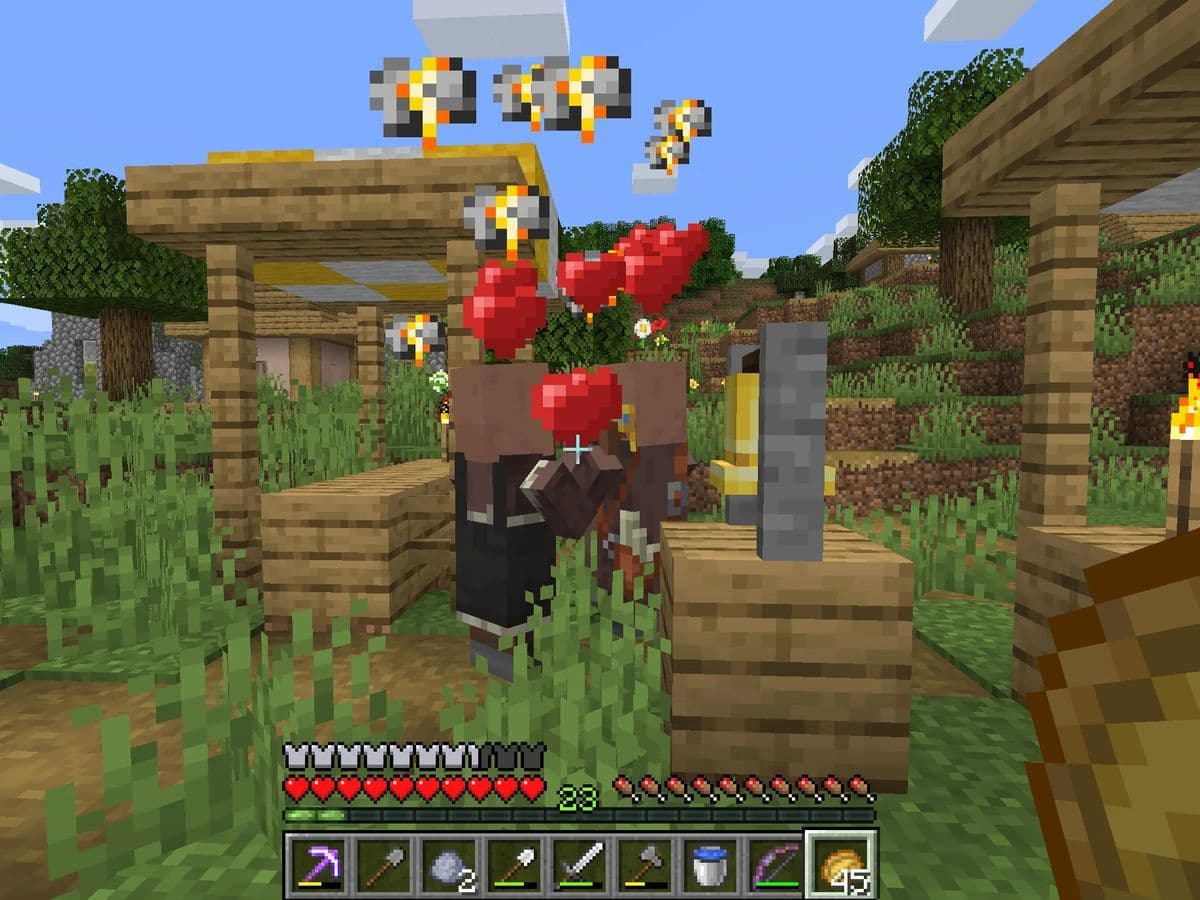
Ever wondered how to breed villagers in Minecraft without the hassle? Whether you want better trades, more iron golems, or a growing village, knowing how to do it right makes a huge difference. In this guide, we’ll break it down into five simple steps—from gathering villagers to making sure they have food, beds, and the right conditions to multiply.
Why breed villagers in Minecraft?
Breeding Minecraft villagers is a game-changer, allowing you to build powerful trading halls, thriving villages, and efficient farms. With the right setup, you can handpick your master traders, ensuring access to Mending books, diamond gear, and infinite emeralds. Instead of relying on random village spawns, breeding gives you full control over your economy and workforce.
A true Minecraft master knows the value of an iron farm, and villagers are the backbone of this operation. Iron golems spawn based on villager numbers, making a breeding setup the most efficient way to farm unlimited iron without ever mining again. With a well-designed system, you can generate enough iron for beacons, tools, and massive builds—all on autopilot. Mastering Minecraft recipes, like the blast furnace , is the ultimate hack to totally transform your world and unlock endless possibilities!
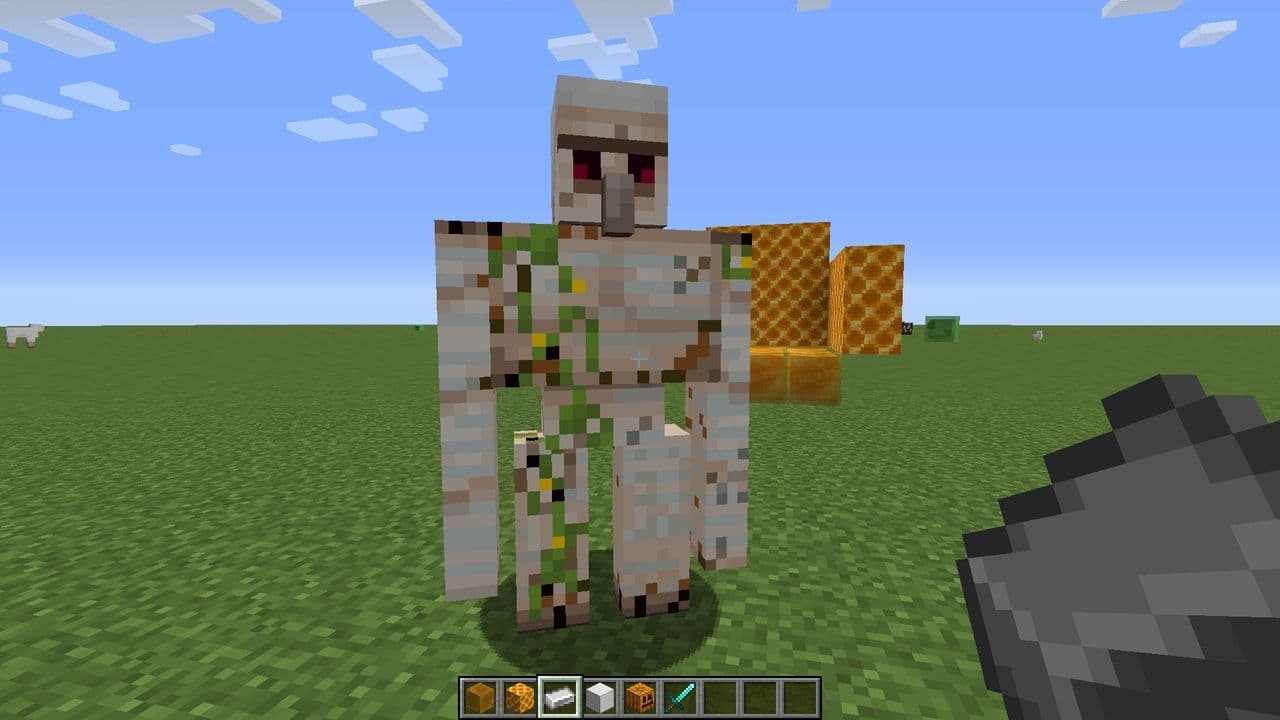
Villager breeding is also the ultimate village insurance. Whether you're facing zombie sieges, pillager raids, or just the occasional creeper mishap, your village needs a steady population to survive. By keeping a breeder running, you ensure that lost villagers are quickly replaced, keeping your trading empire intact and your village well-guarded by golems.
For fully automated farms, villager breeders are the key to success. Farmers will harvest crops and feed their own kind, keeping your population growing without any effort. Whether you need infinite food, better trades, or a self-sufficient city, villager breeding is the key to Minecraft mastery.

How to breed villagers in Minecraft
Unlike animals, villagers cannot be forced to breed. Instead, their reproduction depends on specific conditions, such as:
Step 1: Gather two villagers
To start breeding villagers, you need at least two adult villagers. If you are in a village, you can find them in houses or walking around. If you are setting up a breeder in a custom location, you may need to transport villagers from another village using:
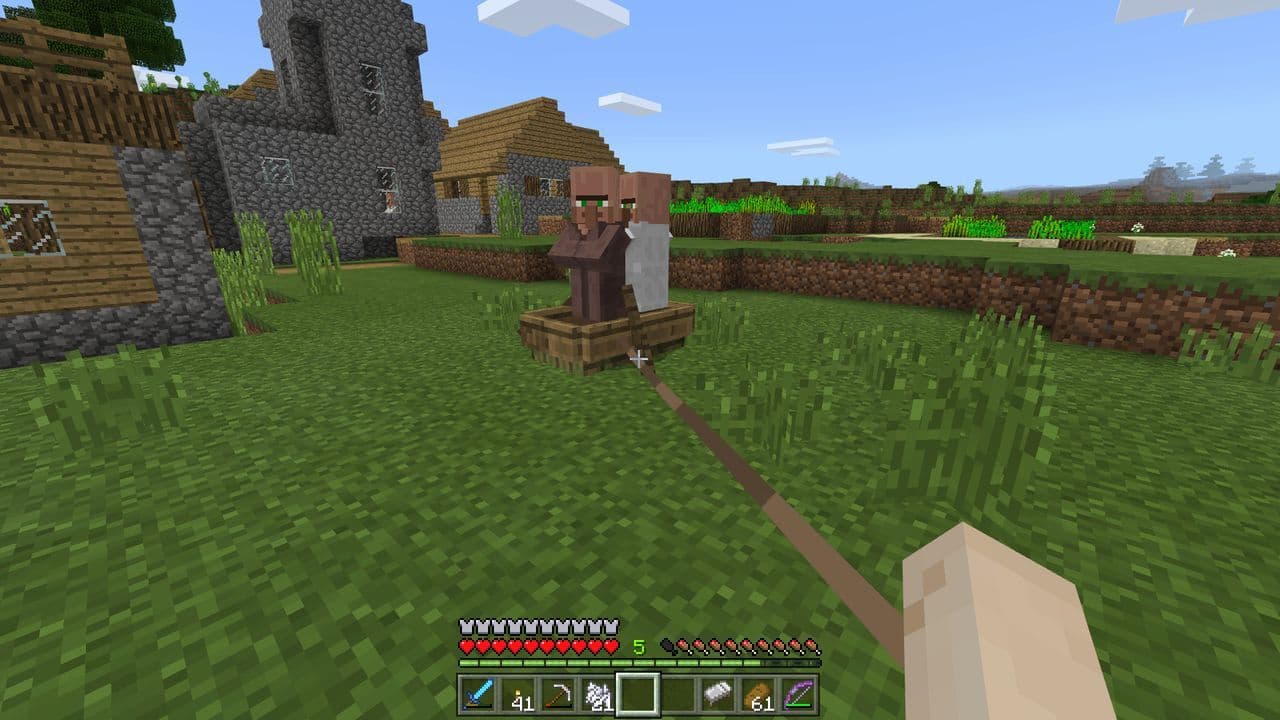
Once you have at least two villagers in an enclosed space, you can begin the breeding process.
Step 2: Provide enough beds
Villagers breed only if there are enough unclaimed beds. Every baby villager needs a bed, so the total number of beds in the area must be greater than the current number of villagers. The beds must meet these conditions:
- Each bed must have at least two air blocks above it.
- The bed must be reachable via pathfinding for at least one villager.
- The head of the bed must be accessible, meaning no blocks should be covering it.
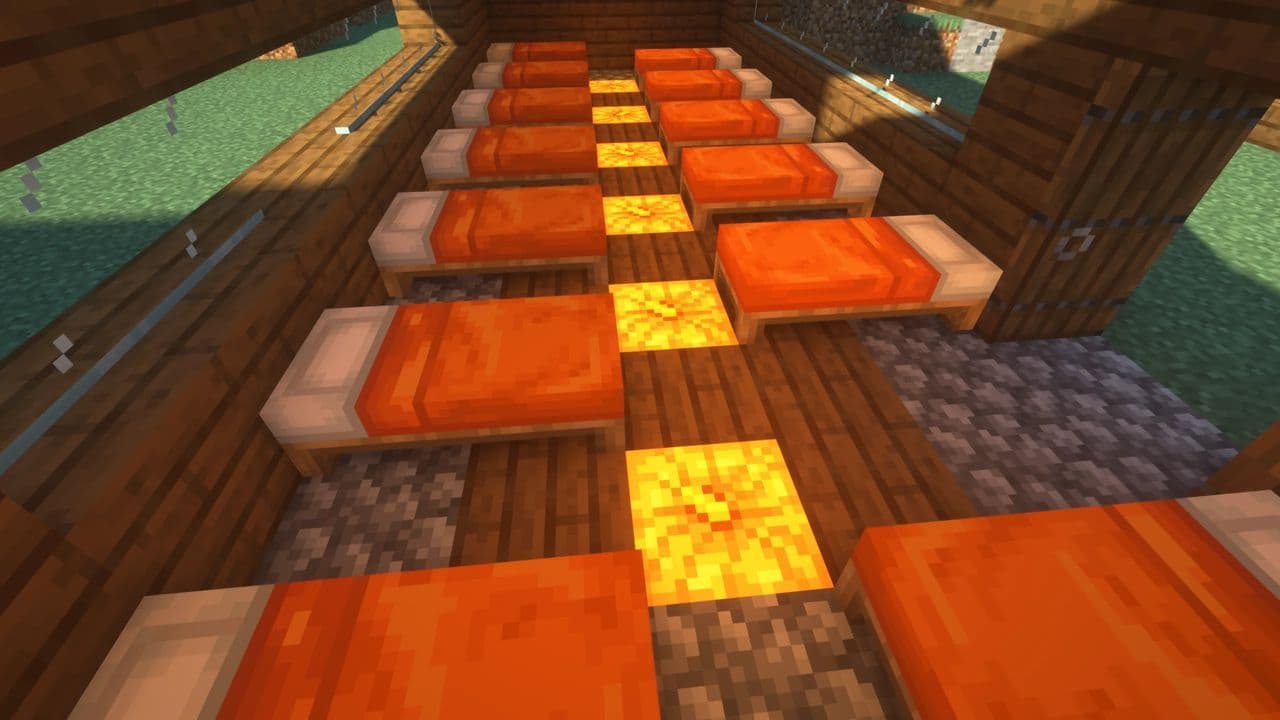
Villagers perform a census of their population every few minutes and compare it to the number of available beds. If there are more beds than villagers, they will attempt to breed.
Step 3: Provide food
Villagers require food to become "willing" to breed. Each villager must have 12 food points in their inventory. Food points are assigned as follows:
To feed villagers, throw the food near them, and they will pick it up automatically. You can mix and match food items as long as the total food points reach at least 12.
A farmer villager can also help distribute food if they have access to a crop farm. If a farmer collects extra food, they will throw it to other villagers, making an automatic breeding system possible.
Step 4: Wait for breeding to occur
Once the villagers have enough food and available beds, they will start breeding. Here is how the process works:
- Two "willing" villagers will face each other.
- Heart particles will appear above them.
- If a free bed is available, a baby villager will spawn.
- The baby villager will hop onto beds and run around for about 20 minutes before growing into an adult.

If breeding fails due to a lack of beds, angry particles (gray clouds) will appear instead, and no baby villager will be born.
Villagers do not breed at night because they prioritize sleeping.
Step 5: Expand the villager breeding farm
To increase breeding efficiency, consider adding more villagers, beds, and food sources. You can also set up an automatic breeder by including a farmer villager to collect and distribute food.
If you are breeding villagers for a trading hall, use job site blocks like lecterns (for librarians) or blast furnaces (for armorers) to assign specific professions.

Are villagers not breeding?
- Check food supply: Ensure villagers have at least 12 food points.
- Increase bed count: Each villager needs access to an unclaimed bed.
- Ensure villagers are not scared: If a zombie or hostile mob is nearby, villagers may panic instead of breeding.
- Move away from villages: If the farm is too close to an existing village, the mechanics may not work properly.
Java vs. Bedrock breeding differences in Minecraft
Villager breeding works differently between Java Edition and Bedrock Edition, affecting how villages grow, how farms function, and how efficiently players can produce new villagers. While the core mechanics are similar—requiring food, beds, and a safe environment—there are key differences in how breeding is triggered and managed.
For players looking to build efficient villager breeders, Bedrock Edition has the advantage due to unlimited breeding, lack of cooldowns, and no bed pathfinding requirements. However, in Java Edition, careful planning is needed to maximize efficiency.
What food makes villagers breed?
To make villagers breed in Minecraft, you must give them the right food. The best food items are bread, carrots, potatoes, and beetroots. Each villager needs 3 bread or 12 of the same type of vegetable to be ready to breed. You can throw the food at them, and they will collect it.
Besides food, villagers need beds. There must be one free bed for each baby. The bed must have one block of space above it. Without this, breeding will not happen. When villagers have enough food and beds, they will breed on their own.
Why won't my villagers breed?
Villagers may not breed even if you give them food. Here are the three most common reasons:
- Not enough beds: Villagers will not breed if there are no free beds. Each baby needs its own bed with space above it.
- Low willingness: Villagers must be willing to breed. They become willing when they have enough food. If you give less than 3 bread or 12 vegetables, they may not become willing.
- Job site problems: Working villagers need their own job site blocks. If they cannot reach their workstations or share one with others, they may stop breeding.
Build a small room. Place at least 3 beds and put 2 villagers inside. Give them enough food. Keep the area safe and well-lit. Make sure they are not hungry or scared. This setup helps them breed quickly.
That’s all for today! Want to explore more? Check out these Minecraft recipes:
- Minecraft beacon guide: How to make a beacon in Minecraft
- Minecraft mace recipe: Is it the best weapon in Minecraft?
- Minecraft chain recipe & why you should craft one
- Minecraft banner recipe (+ All special Minecraft banner patterns) explained
- Minecraft piston recipe (+sticky piston) explained
All Related Guides
 How to make a Minecraft villager breederYou can find a village and villager in Minecraft, but what if you want to have more of them? Here is how to ma...