All CS2 roles and positions: How to play and improve each
Roles in CS2 make up how you play the game with your teammates.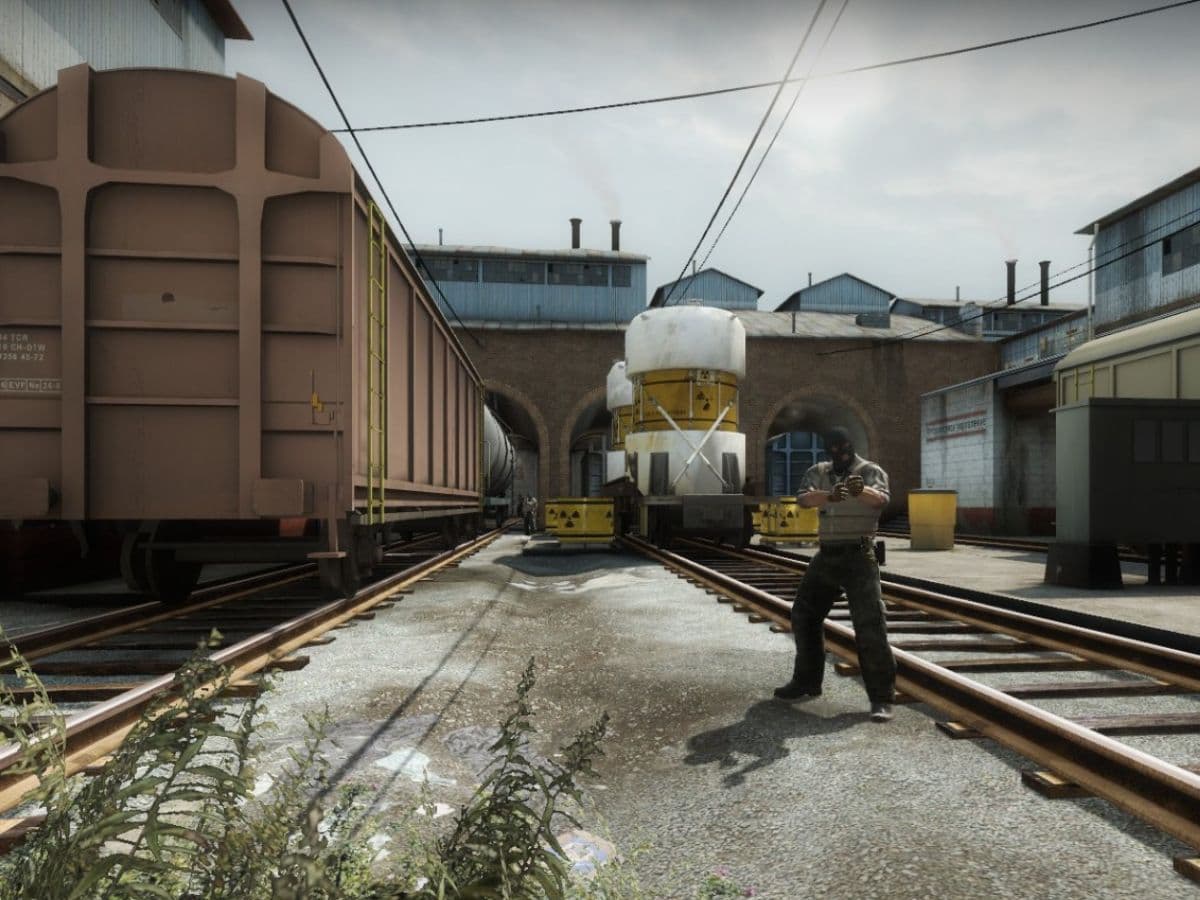
Counter-Strike 2 is a team-based tactical shooter, and each player has a specific job. All five players have different important roles in the game. When players understand their role, the team plays better; that is a fact. Teamwork becomes stronger, and the chance to win increases but what are all the CS2 roles and positions? This guide goes over everything you need to know about them!
What are CS2 roles?
CS2 roles define how players help their team. Each one has a specific purpose. Here is a quick look:
- Entry Fragger: Goes in first and takes the first fights. Clears space for the team.
- In-Game Leader (IGL): Decides what the team will do each round. Guides the team with calls.
- Rifler: Aims well and adapts to different tasks. Holds angles, pushes, and trades kills.
- AWPer: Uses the sniper rifle. Controls long areas and gets high-impact kills.
- Lurker: Moves away from the main group. Catches enemies from the side or behind.
- Support: Uses grenades to help teammates. Plays safely and helps the team execute plans.
All CS2 roles and positions explained
As listed above, there are six main roles in CS2. Let’s take a closer look at each and every one of them:
Entry Fragger
The Entry Fragger is the first one to enter a bomb site. This player starts the attack and looks for early fights. Their job is to find the enemy, take the first shot, and open space. Even if they die, they create a chance for teammates to trade and take control.
This role needs strong aim and fast reaction. The Entry must know common spots where enemies hide. They push with confidence and help the team move forward.
To play this role well, learn how to peek safely and how to clear corners. Entry Fraggers often lead with flashes from a teammate. They should also stay focused on map timing and enemy habits. Fast and smart entries win rounds.
Tips to improve:
- Know common hiding spots on each map.
- Learn how to peek and clear corners.
- Move with speed and confidence.
- Watch your teammates’ flashes and go in after them.
- Always call out enemy positions quickly.

In-Game Leader (IGL)
The IGL is the brain of the team. This player decides how the team will play each round. The IGL chooses the strategy, reads the enemy, and makes quick decisions. On CT side, they call rotations and decide how to hold bomb sites.
This role needs strong communication and a clear plan. IGLs must stay calm and focused. They watch how the enemy plays and adapt. They also keep track of money, weapons, and time.
To improve, IGLs should watch pro matches, learn new tactics, and study maps. They must talk clearly and keep the team working together. Good IGLs trust their teammates but also step in when needed.
Tips to improve:
- Keep your calls short and clear.
- Think ahead and plan for each round.
- Watch how pro teams play.
- Stay calm when things go wrong.
- Always update the team with new info
Rifler
Riflers are the core of every team, and most of the best CS2 players are riflers. hey specialize in rifling mainly by using the AK-47 and M4 counterparts. They help in fights, take map control, and hold bomb sites. Riflers often follow the Entry Fragger and trade kills.
A good Rifler knows how to aim, hold angles, and move at the right time. They must be able to react fast and adjust to changing situations. Riflers often take on many jobs, so they must be flexible.
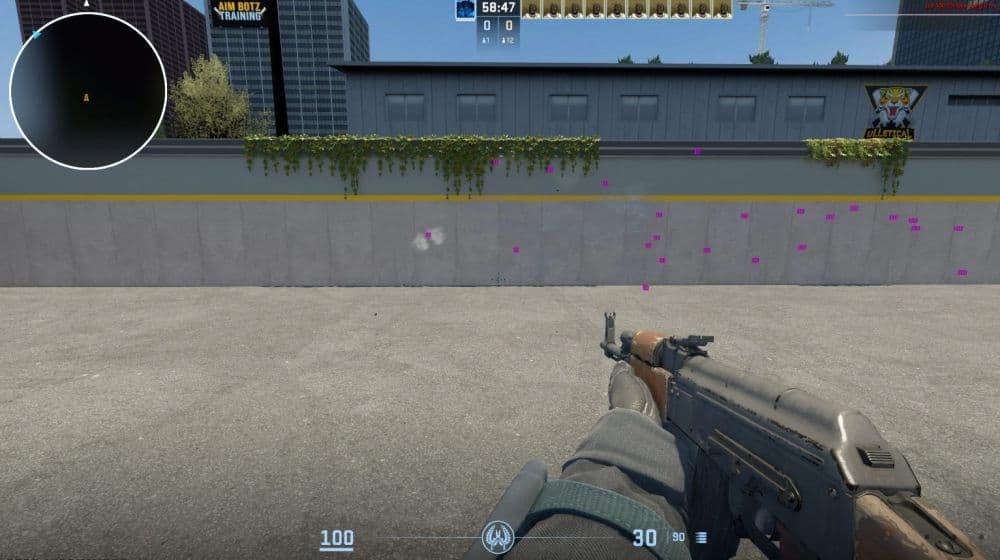
To get better, Riflers should focus on crosshair placement and spray control. They need to support teammates with good communication and smart utility use. Riflers win fights with skill and smart choices.
Tips to improve:
- Practice your spray control daily.
- Keep your crosshair at head level.
- Trade kills quickly with your team.
- Use utility to support pushes and holds.
- Learn to hold angles with patience.
AWPer
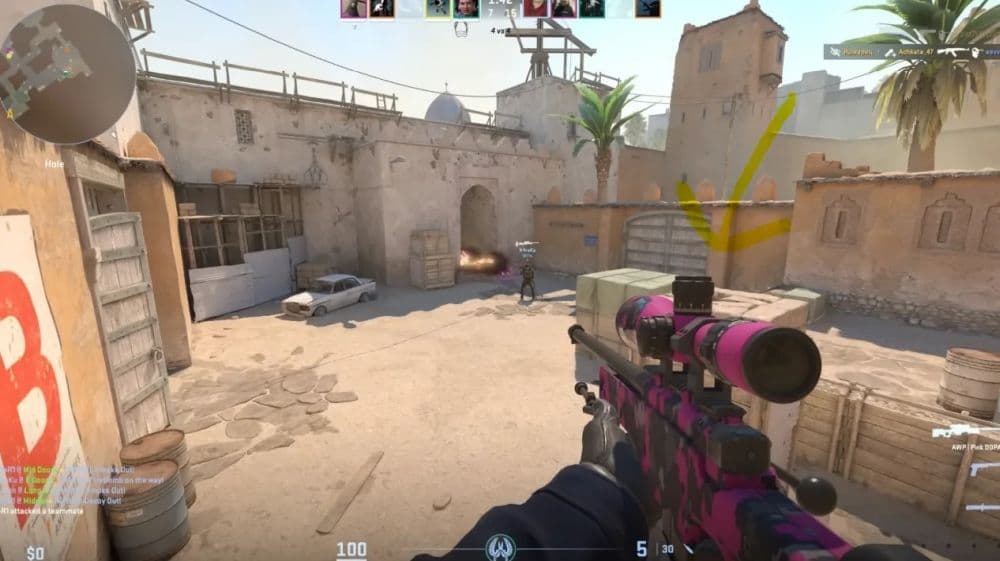
The AWPer uses the sniper rifle to control long-range areas. This role is all about taking key shots. One good AWP kill can stop a push or start a successful attack. AWPers usually play slower and wait for enemies to make a mistake.
This role needs strong aim, good positioning, and patience. Missing a shot can hurt the team, so AWPers must choose when to fight and when to fall back. They often guard key areas alone, like A Long on the popular map Dust2 or Mid Window on Mirage.
To improve, AWPers should learn the best spots to hold, how to reposition, and when to take the shot. They must also know when to push forward or play safe. Good AWPers use timing and game sense to win rounds.
Tips to improve:
- Learn common AWP angles on each map.
- Don’t stay in one spot too long.
- Hit your shots or fall back.
- Watch how enemies move.
- Use your pistol in close fights.
Lurker
The Lurker stays away from the main group. This player moves on the other side of the map. Their goal is to catch enemies off guard or gather information. Lurkers punish enemies who rotate or push too fast.
To play this role, players need patience, strong map awareness, and game sense. They should learn when to push, when to wait, and when to backstab. Good Lurkers can change the round with one smart play.
Lurkers must understand enemy habits and be ready to act fast. They work alone most of the time but must stay in touch with the team. Their goal is not to frag a lot, but to strike at the right moment.
Tips to improve:
- Move quietly and listen for enemy steps.
- Watch for rotation paths.
- Learn when to push and when to wait.
- Use utility to fake pressure.
- Communicate enemy moves quickly.
Support
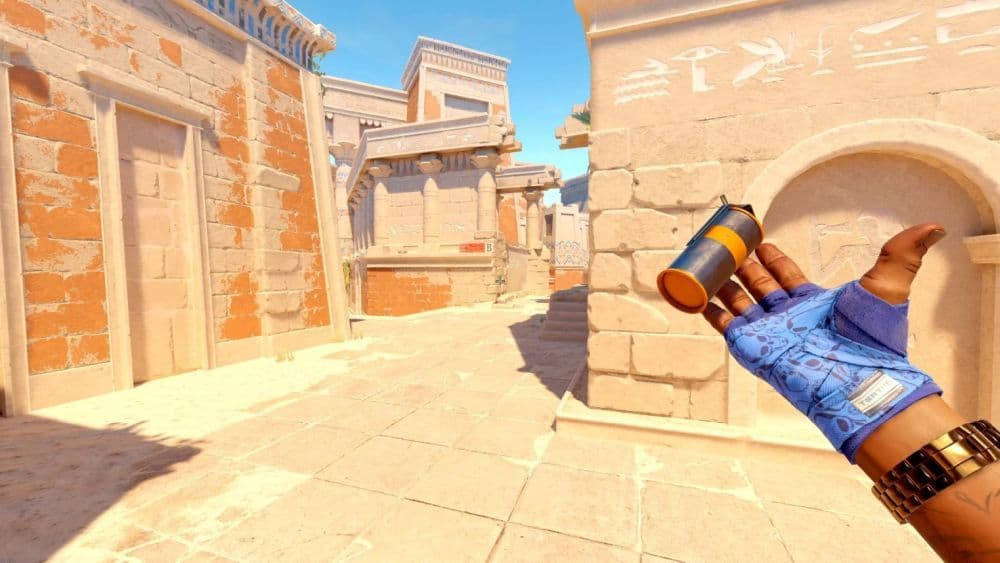
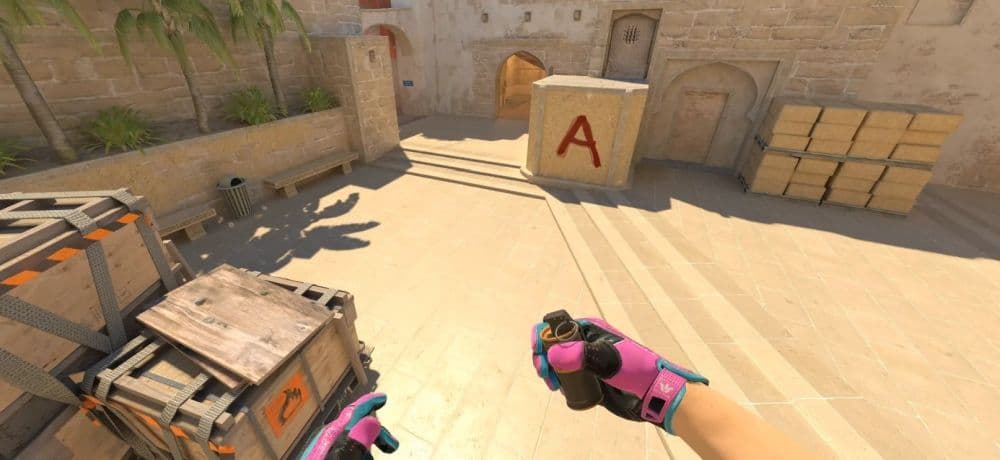
Support players use grenades to help the team. They flash for entries, smoke off angles, and molly common spots. They often stay behind and let others take the fight. Their main job is to keep the team safe and help them take control.
This role needs strong timing, smart utility use, and good communication. Supports help the team succeed without going for kills. They buy for teammates and help control the pace of the game.
To improve, Supports should learn grenade lineups and watch how their team moves. They must be ready to throw utility at the right moment. A good Support can make the difference between a failed and a perfect push.
Tips to improve:
- Learn key smokes and flashes, including pop-flashes.
- Stay alive for late-round help.
- Drop weapons when needed.
- Watch the radar and support your team.
- Use molotovs to block pushes.
What are secondary roles in CS2?
Secondary roles support the main ones. Professional organizations usually build teams considering what types of secondary roles players can play, on top of their main roles. Here is a closer look at secondary roles in CS2:
What is the hardest role in CS2?
Each role in CS2 can be hard. Some roles need players to take more control. Two of the hardest roles are the In-Game Leader (IGL) and the Entry Fragger.
The IGL must think fast and guide the team. They watch how the enemy plays and call the right moves. This takes focus, timing, and a deep understanding of the game.
The Entry Fragger has to go in first and fight right away. They need top aim and fast decisions. One mistake can cost the round, but one good entry can win it.
What is the easiest role in CS2?
No role in CS2 is truly easy. Each one matters and takes skill. But some roles are less about taking control and more about helping the team.
The Support role is often seen as the easiest for new players. Support players help with grenades, buy for others, and stay safe. They focus more on teamwork than fighting.
Even though it is less risky, the Support role is still very important. A smart Support can save a round with the right smoke or flash.
Featured Image Credit: Counter-Strike.net
All Related Guides
 donk crosshair CS2: Current code and how to copy itWant to try donk’s crosshair in CS2? Check the current donk crosshair CS2 code and see how his setup works....
 How to change the HUD color in CS2Change your HUD color in CS2 with a few quick steps. See the available colors, command values, and which choic...
 How to make CS2 look like CSGOMiss the old CS:GO visuals? This guide explains how to adjust CS2 graphics, brightness, colors, HUD, and weapo...
 How to bind mousewheel to jump CS2Find the best CS2 mousewheel jump bind commands, learn how to set them up, and see how scroll jumping can supp...
 How to fix net jitter in CS2: Best solutions for packet loss, lag & rubberbandingLearn how to fix net jitter in CS2 with the best solutions for packet loss, lag, rubberbanding, and unstable c...
 How to scrape stickers in CS2Want to remove stickers in CS2? Here’s how scraping works, what it changes, and why full removal is permanent....
 ropz CS2 settings: Crosshair, viewmodel, and moreCopy ropz CS2 settings for mouse, crosshair, viewmodel, video, and radar, then adjust them to match your own a...
 How to remove screen shake in CS2How to reduce screen shake in CS2 using console commands, viewmodel settings, graphics tweaks, and autoexec co...
- 1
- 2
- 3
- 4