How old do you have to be to play Fortnite?
Is there even a minimum age to play Fortnite?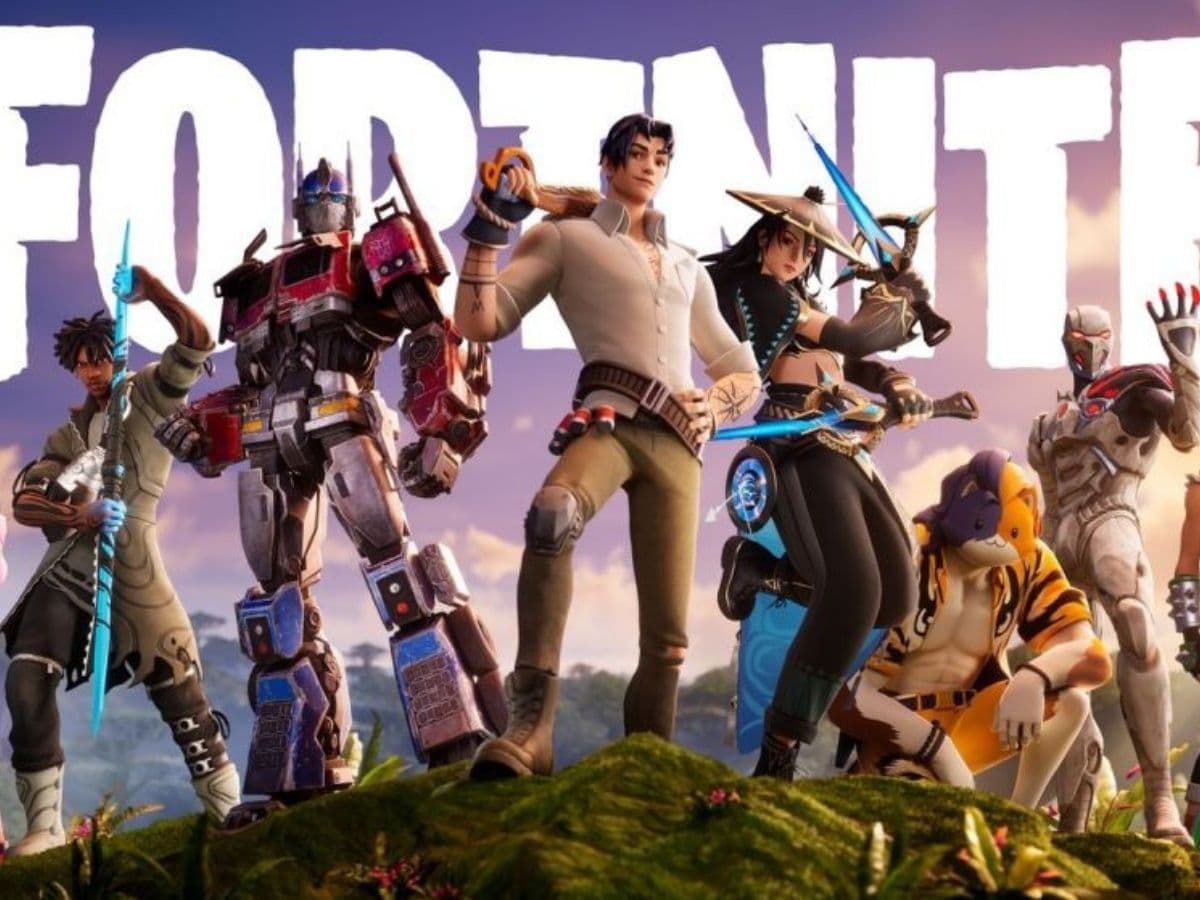
Fortnite, a cultural phenomenon in the gaming world, raises a fundamental question for parents and players alike: How old must one partake in the virtual battlegrounds? The answer lies in the Pan European Game Information (PEGI) rating system, a guiding light for parents in the labyrinth of video game choices. In this piece, we will tell you everything you need to know about Fortnite’s age restrictions for casual play, professional play, and of course the most important part, parents’ possible precautions and more!
What are the Fortnite age requirements?
With a PEGI rating of 12, Fortnite is stamped as suitable for players above this age threshold. But what does this rating entail? PEGI classifies the game as involving 'infrequent mild violence,' emphasizing fantasy over realistic portrayals.
However, it's crucial to understand that this rating specifically applies to the game's content, not the potential interactions within the in-game chat. Meanwhile, the Entertainment Software Ratings Board (ESRB) in the United States assigns a Teen rating, suggesting a minimum age of 13 for Fortnite enthusiasts. This diversity in age ratings across regions emphasizes the need for parents to stay informed and make decisions aligned with their family values.
How old do you have to be to play Fortnite professionally?
Dreaming of Fortnite fame? Age is your backstage pass. Epic Games sets the tournament entry bar at 13 unless your country raises it higher. It's not just about numbers; it's about being old enough to handle the heat of competition. Parents or guardians of players aged 13 to 17 need to be in the loop – not just for consent but to spill the beans on contact and banking details for prize claims. It's like a backstage pass with extra security, ensuring that young players and their families are on the same page in this gaming journey

What is the reason behind Fortnite’s age requirements?
Ever wondered why Fortnite has age requirements? PEGI and ESRB aren't playing games when finding a sweet spot between fun and age-friendly content. PEGI 12 means the game's violence suits the tween scene, leaning towards fantasy over realism. Epic Games, the masterminds behind Fortnite, get the memo loud and clear, sculpting a game that's visually poppin' and a more animated movie than a gritty war flick.
This vibe isn't just for show; it's about crafting an experience that vibes with the game's look while keeping things age-appropriate. But here's the twist: these age limits aren't just about playing the game. They stretch into competitive terrain. Epic Games lays down the law – a minimum age of 13 for tournaments. It's not just about skill; it's about having the years to back it up. And for those aged 13 to 17, parental thumbs up is non-negotiable. It's not just a checkbox; it's Epic Games saying, "We're in this together.”

What should parents do about Fortnite’s age restrictions?
For kids with ADHD, Fortnite's allure is a double-edged sword. The game's hyperfocus triggers a spotlight effect, and the world outside the screen suddenly fades. Rules become crucial. Parents must set game time boundaries and plot a course for transitioning to other activities. The in-app purchase pitfall needs attention, especially if your child tends to press buttons on impulse. Talk is key here. Open the door to honest convos, set clear guidelines, and watch how it keeps the game hype in check.
Children dealing with ADHD and social difficulties face both challenges and opportunities when playing Fortnite. Establishing clear rules acts as a guiding principle. Once screen time limits are in place, engage in a sincere conversation with your young gamer. While Fortnite might be popular among kids, as a parent, you play a crucial role. Open communication helps your child navigate the social aspects of gaming. It's not just about setting restrictions; it's about fostering dialogue.
Fortnite offers entertainment with less intensity compared to some other shooter games like Call of Duty or Grand Theft Auto, which are like cinematic blockbusters. Research hasn't definitively linked violent games to real-world issues, but it's wise to monitor your child's gaming habits. For those with ADHD or social challenges, excessive Fortnite playing may signal the need to limit screen time.
Deciding whether Fortnite fits into your family dynamics is a personal choice. While age ratings and tournament rules provide guidance, parents ultimately guide the ship. It's perfectly acceptable to say "no." In a world where screens are increasingly common, having a well-thought-out plan is valuable. Fortnite is a game, but parenting? That's the true adventure.
So, is Fortnite safe for kids?
Fortnite can be safe for kids, especially with parental involvement, but there are important considerations, such as:
- Online interactions: Fortnite allows voice and text chat, exposing players to strangers. This can lead to cyberbullying, inappropriate language, or contact with online predators. Children under 13 are given Cabined Accounts that limit communication unless parents grant permission.
- In-game purchases: Players can buy cosmetics using V-Bucks (in-game currency). Younger kids may not fully understand real-money spending, which has led to unauthorized purchases and complaints.
- Addiction and screen time: Fortnite’s fast-paced, competitive nature can become addictive. Kids may prioritize gaming over homework, sleep, or physical activity.
Fortunately, Epic Games offers strong safety tools like disabling voice/text chat, filtering mature content, setting playtime limits, and managing spending. For players under 13, Cabined Accounts automatically restrict communication and purchases until a parent provides consent. To ensure a safe experience, parents should talk regularly with their child about online safety, play the game together to understand the environment, and set clear boundaries around screen time and spending. With proper guidance, Fortnite can be a fun, creative, and social experience—without compromising a child’s safety or well-being.
All Related Guides
 Is Fortnite cross platform?Check out this complete guide if you ever wondered if Fortnite is a cross platform game!...
 How to play Fortnite on iPhonePeople have been asking "is Fortnite coming back to iOS?" Here are al the answers you are looking for!...
 Can you play Fortnite on Nintendo Switch?Switch gamers can rejoice as Fortnite, arguably the most popular Battle Royale, is free-to-play and downloadab...
 Can you play Fortnite on PS3?Let's lay to rest those ever-present rumors that get people wondering if they can play Fortnite on PS3....
 Do you need Playstation plus to play FortniteDoes Fortnite require Playstation players to purchase PS Plus to enjoy the game? We've got the answer right he...
 How many GB is Fortnite?This guide will delve into the details of Fortnite's storage requirements on PC, PlayStation, Xbox and more!...
 Can you play Fortnite on Mac?Some think that Mac users cannot play the game due to a dispute between Apple and Epic Games. Is that true? ...
 Do you need Xbox Live to play Fortnite?Xbox players might wonder if they need Xbox Live to play Fortnite or not. Let’s take a closer look at the rela...