
Only Fortnite tournaments guide you need
Everything competitive starts here
Reviewed by: Naim Rosinski
Fortnite tournaments have become one of the biggest parts of competitive gaming. From open online cups to high-level events like the Fortnite Championship Series (FNCS), Fortnite gives players many ways to compete, improve, and win prizes. Whether you are a beginner looking to join your first event or a skilled player aiming for bigger competitions, understanding how Fortnite tournaments work is essential.
This guide covers Fortnite tournament eligibility checks, how to enter Fortnite tournaments, scoring formats, and the most important rules every player should know.
What are Fortnite tournaments?
Fortnite tournaments are official competitive events held inside Fortnite, along with third-party competitions hosted by esports organizations and communities. These events can be free to enter and are available in different formats, including:
- Solo tournaments
- Duos tournaments
- Trios events
- Cash Cups
- Ranked Cups
- Platform-specific cups
- Special promotional events
- FNCS qualifiers and finals

Some Fortnite tournaments reward players with in-game cosmetics, while others offer real cash prizes and qualification paths into larger championships.
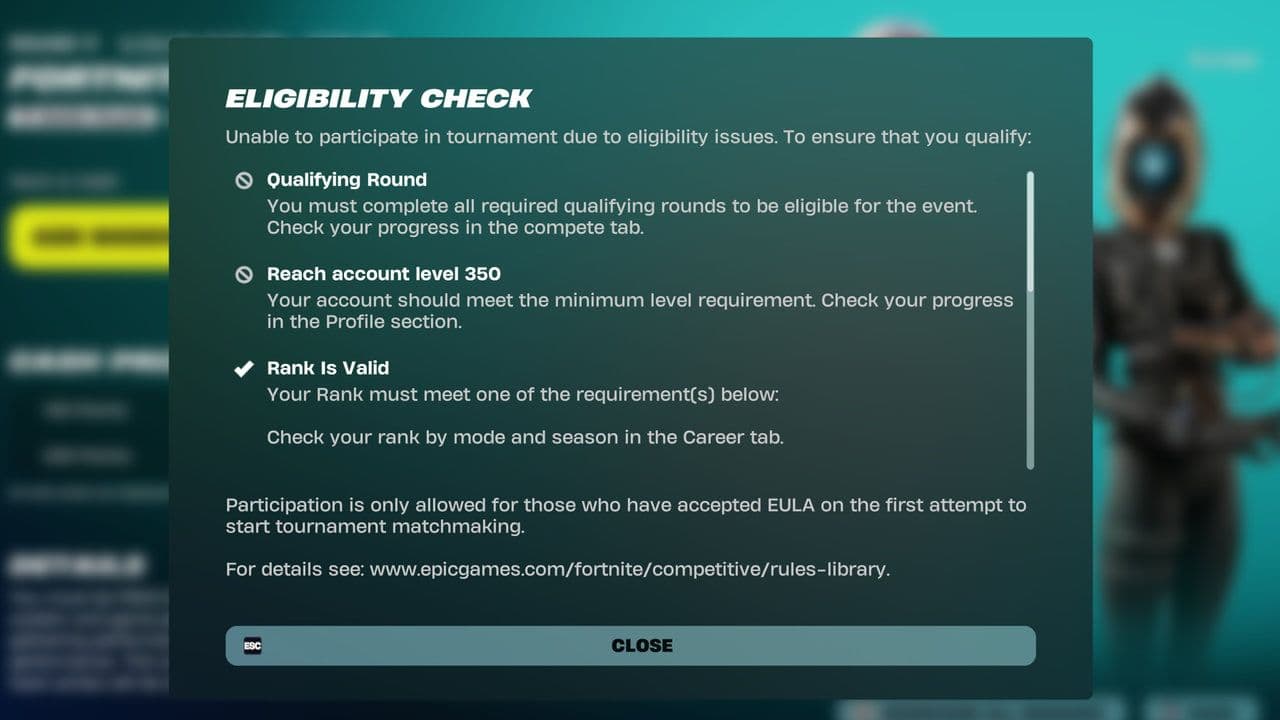
Fortnite tournament eligibility check
Before entering Fortnite tournaments, players need to meet Epic’s competitive requirements. Missing even one requirement can block tournament access.
Minimum age
Players must usually be at least 13 years old to join official Fortnite tournaments. In some regions, local laws may set a higher age requirement. Younger players may also need parent or guardian consent for prize claims.
Multi-factor authentication
Epic requires Multi-Factor Authentication (MFA) for many Fortnite tournaments. If MFA is not enabled on your Epic account, tournament entry may be locked.
Enable MFA through your Epic Games account security settings before tournament day.
Account level requirement
Some Fortnite tournaments require a minimum account level. This helps reduce cheating, smurfing, and newly created accounts entering competitive events.
Check your account level in:
- Fortnite → Career tab
Ranked requirement
Many Fortnite tournaments require players to reach a certain Ranked mode level before entering. Requirements vary by event and may include:
- Gold
- Platinum
- Diamond
- Elite
- Champion
- Unreal
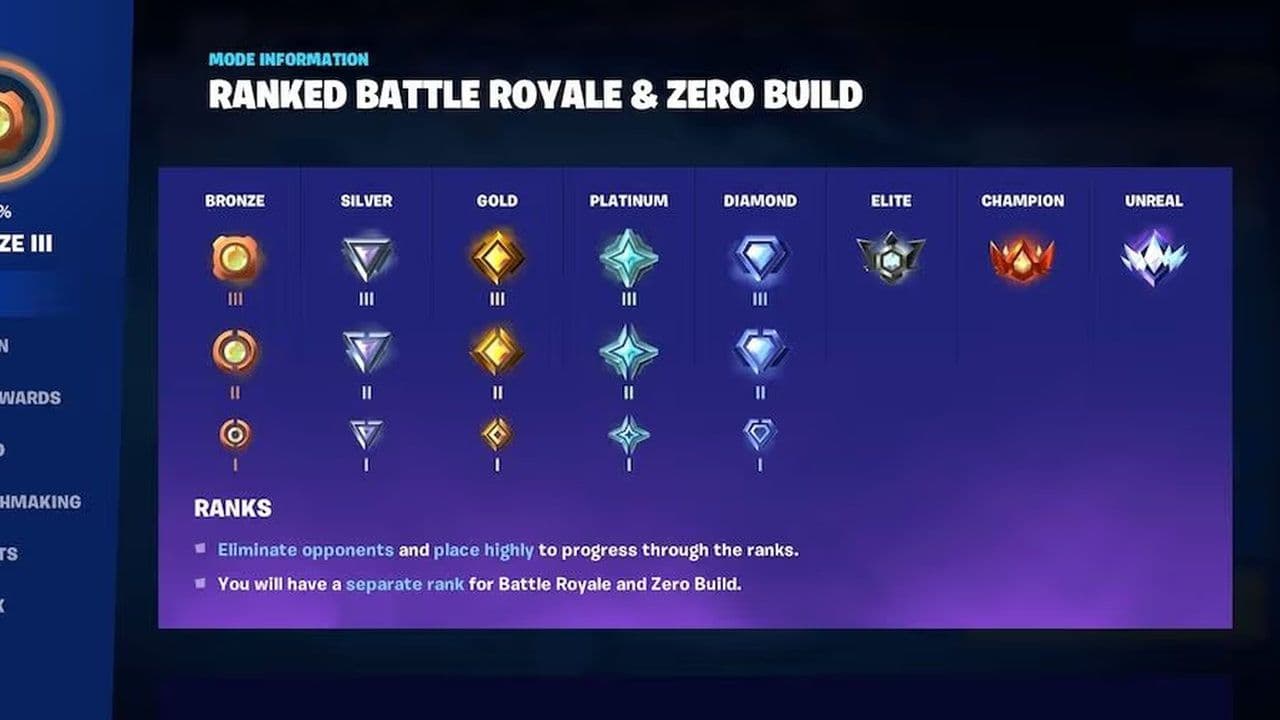
Always check the tournament card for the required rank.
Region eligibility
Fortnite tournaments are region-based. Major competitive regions include:
- Europe
- NA Central
- Brazil
- Asia
- Oceania
- Middle East
Your selected region determines who you compete against and when events start.
Account standing
Accounts with competitive bans, cheating violations, or active suspensions may be restricted from Fortnite tournaments.
A clean competitive record matters.
How to enter Fortnite tournaments in 4 steps
Joining Fortnite tournaments is simple once you meet the eligibility rules.
1) Open the Compete tab
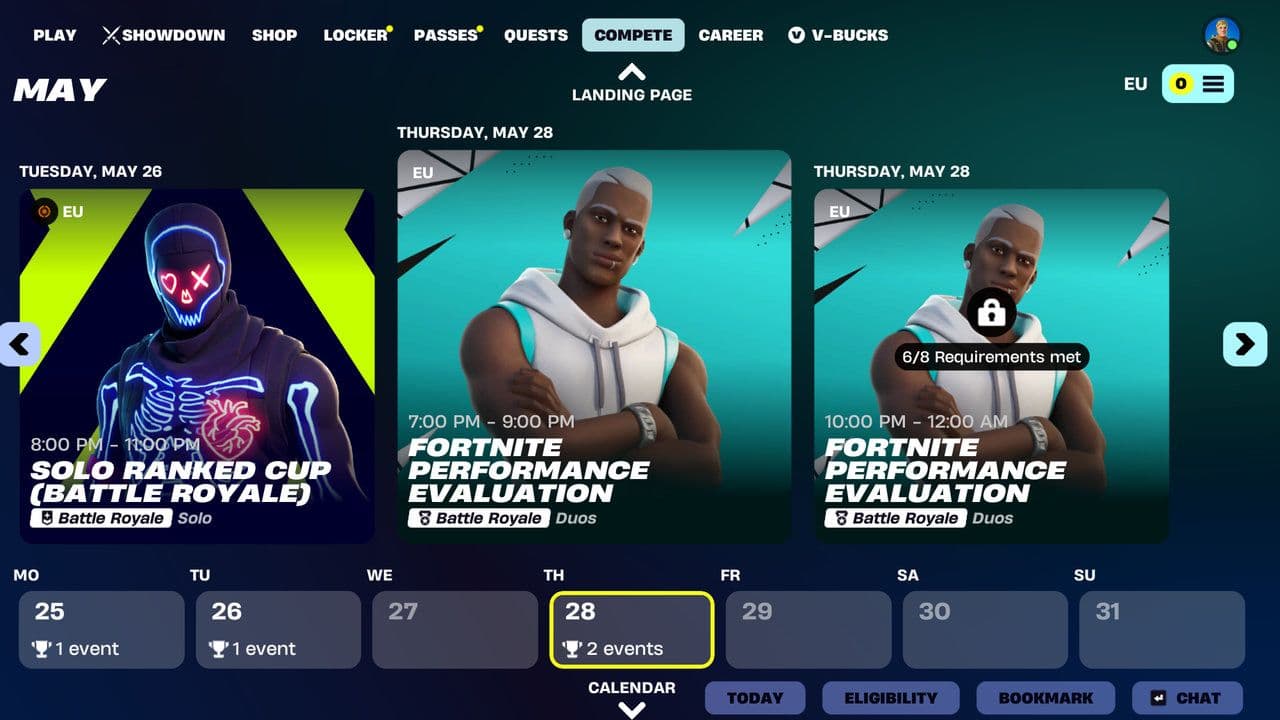
Launch Fortnite and open the Compete tab. This is where Epic lists active and upcoming Fortnite tournaments.
You will see:
- Event name
- Start time
- Format
- Prize details
- Eligibility requirements
- Tournament schedule
2) Choose your event
Select the Fortnite tournament you want to enter. Options may include Solo Cups, Duos Cups, Cash Cups, Ranked Cups, or FNCS qualifiers.
Read the rules carefully before joining.
3) Be online early
Log in at least 15–30 minutes before start time. This gives you time for:
- Game updates
- Party setup
- Server issues
- Warm-up matches
- Checking tournament status
4) Queue into the tournament playlist
When the event starts, the tournament playlist becomes available. Join it like any normal mode and begin competing.
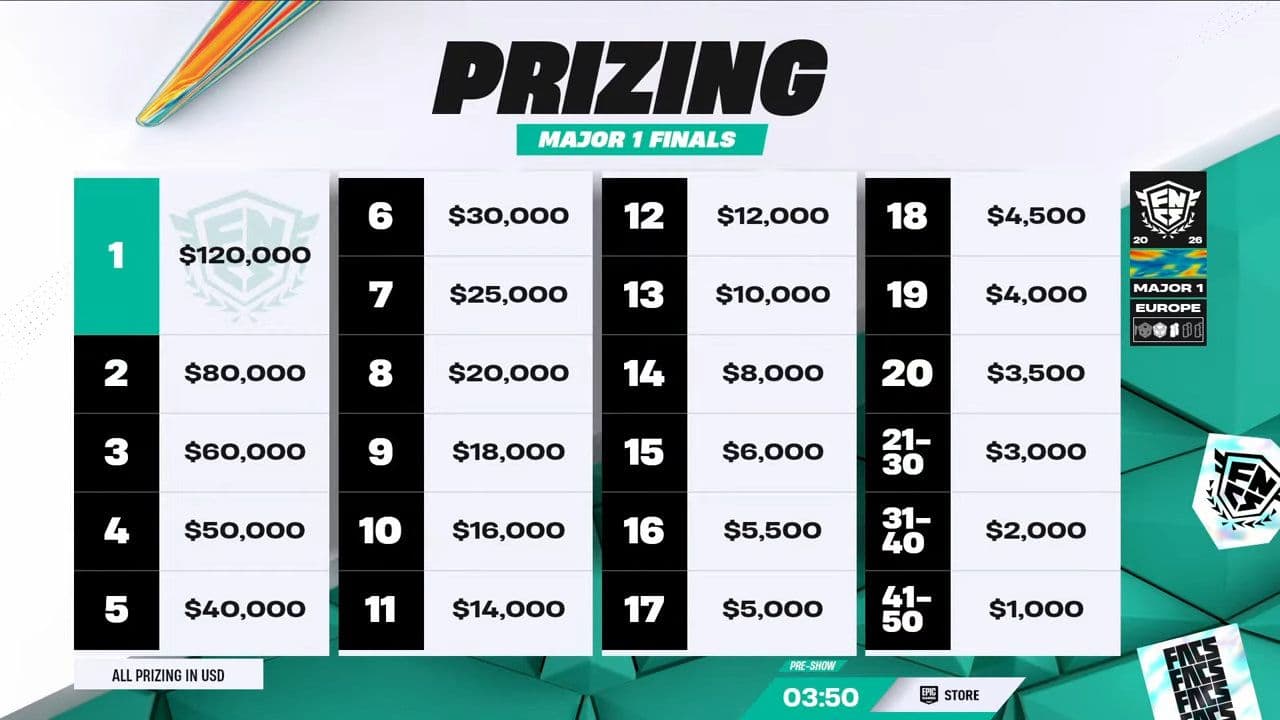
Fortnite tournament prizes
One of the biggest reasons players enter Fortnite tournaments is the prize potential. Depending on the event, prizes can range from exclusive in-game cosmetics to cash rewards worth hundreds, thousands, or even millions of dollars.
How do Fortnite tournaments score players?
Most Fortnite tournaments use a point system based on:
In most Fortnite tournaments, the best strategy is balancing placement points and elimination points. Pure aggression can be risky, while passive play may leave too many points on the table. The strongest competitive players know when to fight-and when to survive.
To perform better in Fortnite tournaments:
- Practice rotations and storm movement
- Improve box fighting and build control
- Learn endgame survival
- Optimize settings for stable FPS and low input delay
- Review replays to spot mistakes
- Understand tournament pacing, which is slower and more strategic than public matches

Fortnite tournaments offer one of the best open competitive systems in gaming. From beginner cups to the Fortnite Championship Series, there is a clear path for players who want to compete seriously.
Start by completing your Fortnite tournament eligibility check, meet account requirements, and learn how to enter Fortnite tournaments through the Compete tab. Once inside, smart decision-making, consistency, and strong mechanics are what separate average players from top competitors.
That’s all for today! Looking for more Fortnite guides? Check out these:
- All Fortnite bosses & how to defeat them
- What are Accolades in Fortnite and how to get them
- Best Fortnite map codes with additional bonus maps
- How to start a custom game in Fortnite: Private 1v1, errors and fixes
- How to disable simple edit in Fortnite (PC, PlayStation, Xbox, Nintendo Switch, and mobile)
Meet Eray, a tech enthusiast passionate about AI, crypto, gaming, and more. Eray is always looking into new developments, exploring unique topics, and keeping up with the latest trends in the tech industry, and gaming is the sweetest spot.
Eray has been rocking it as a news manager and content creator at spots like, TechBriefly, Gamelevate, Softonic, and various tech realms. Crafting over 2k tech articles, Eray captivated millions of readers for over three years.
Now, over at THESPIKE, Eray is a content writer, blending the love for spinning stories and helpful guides for all-things gaming.